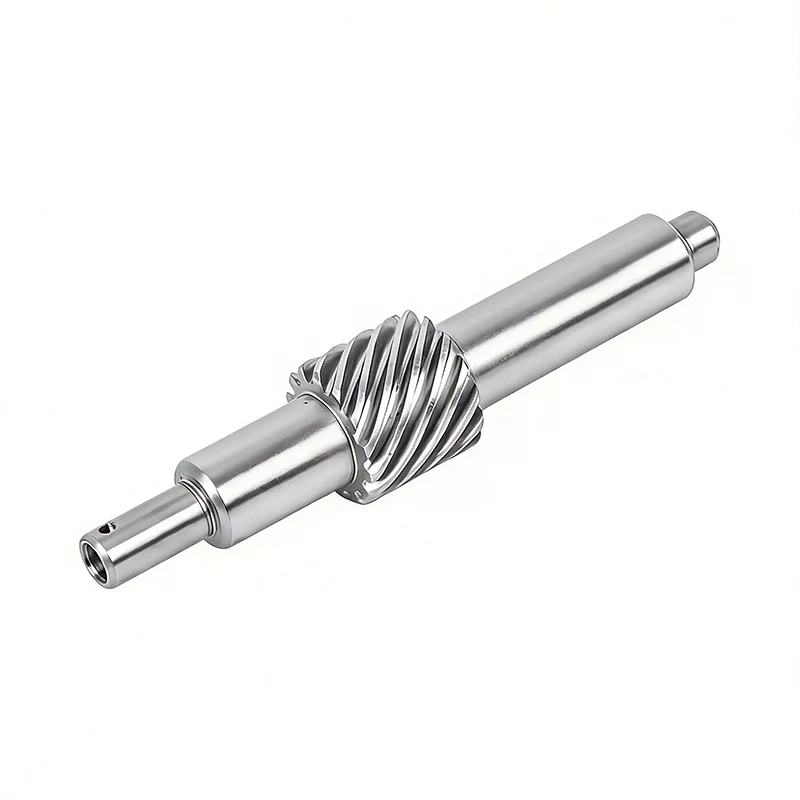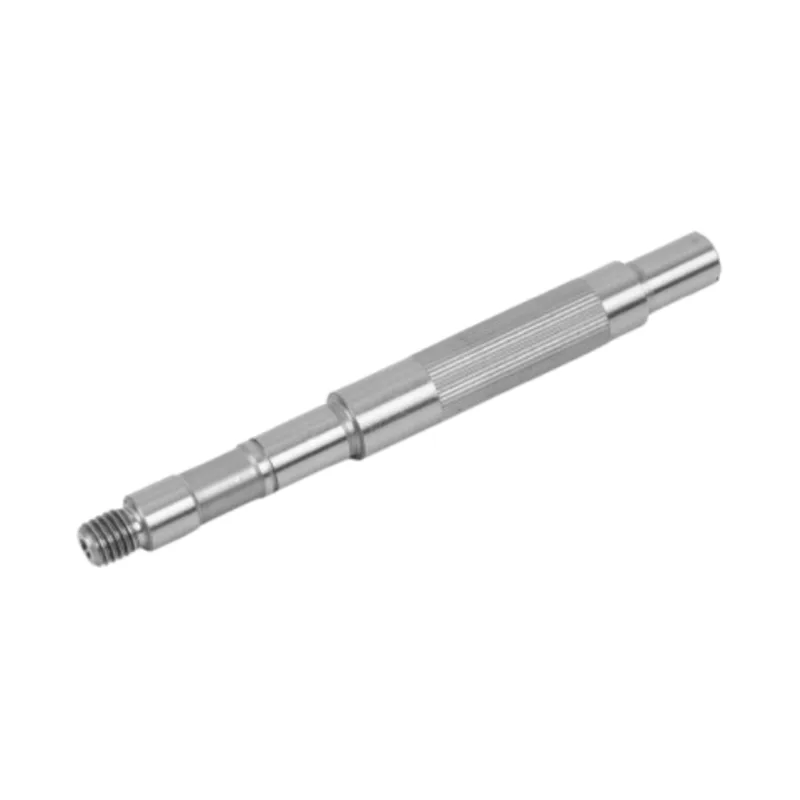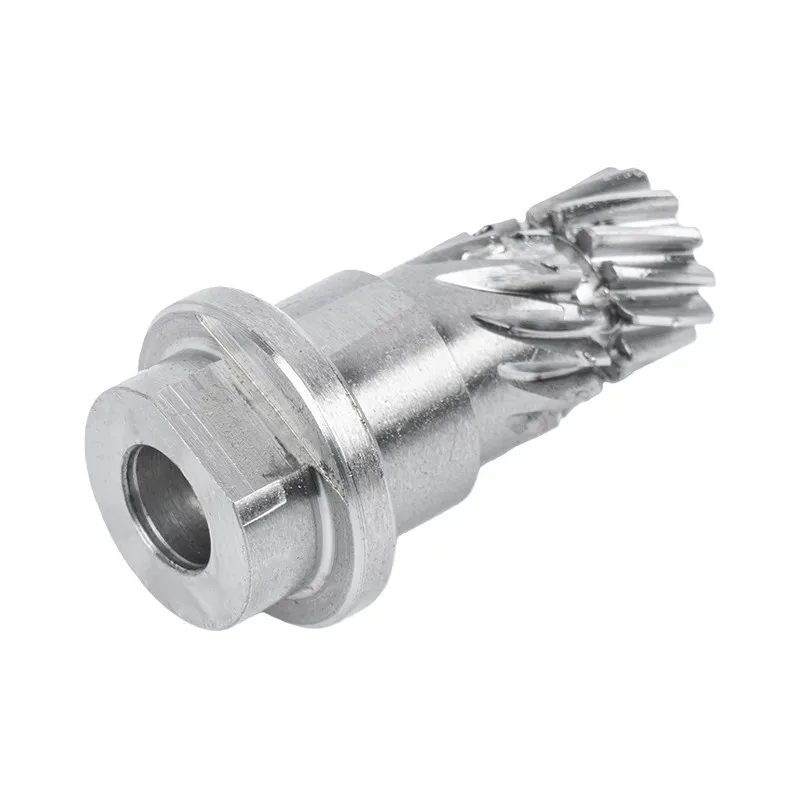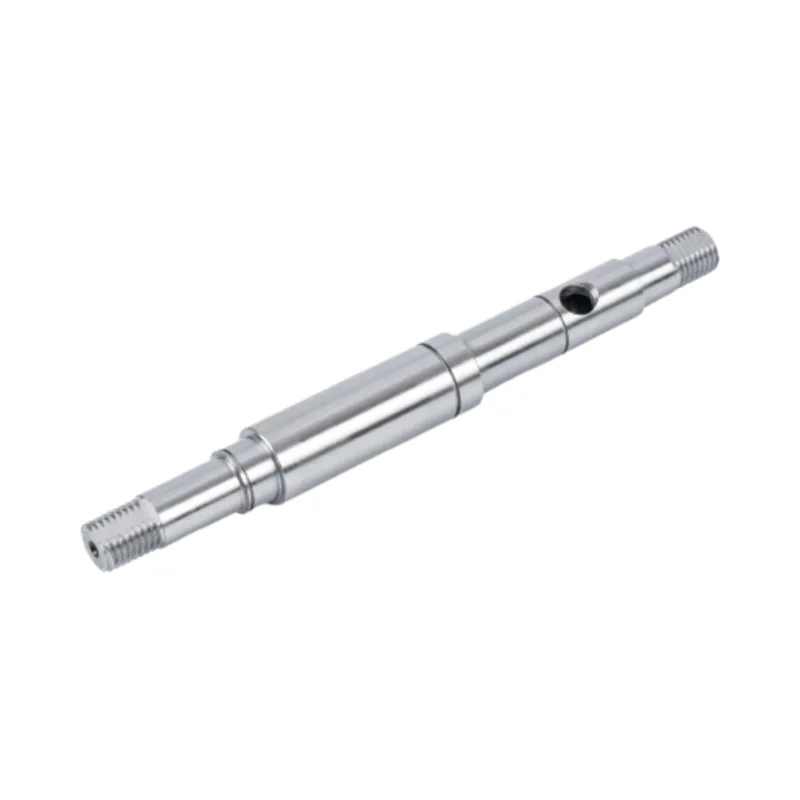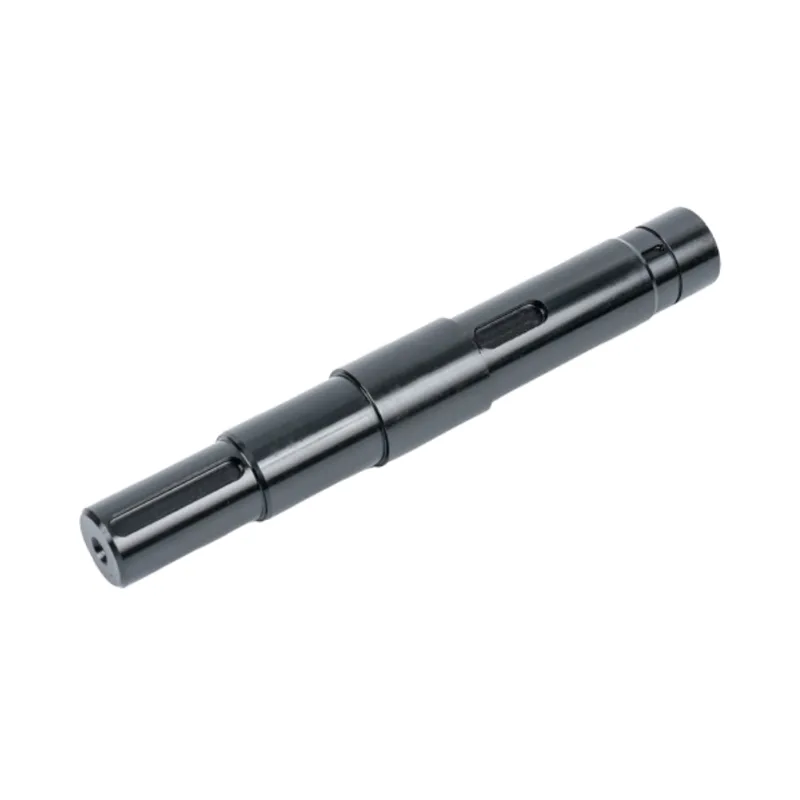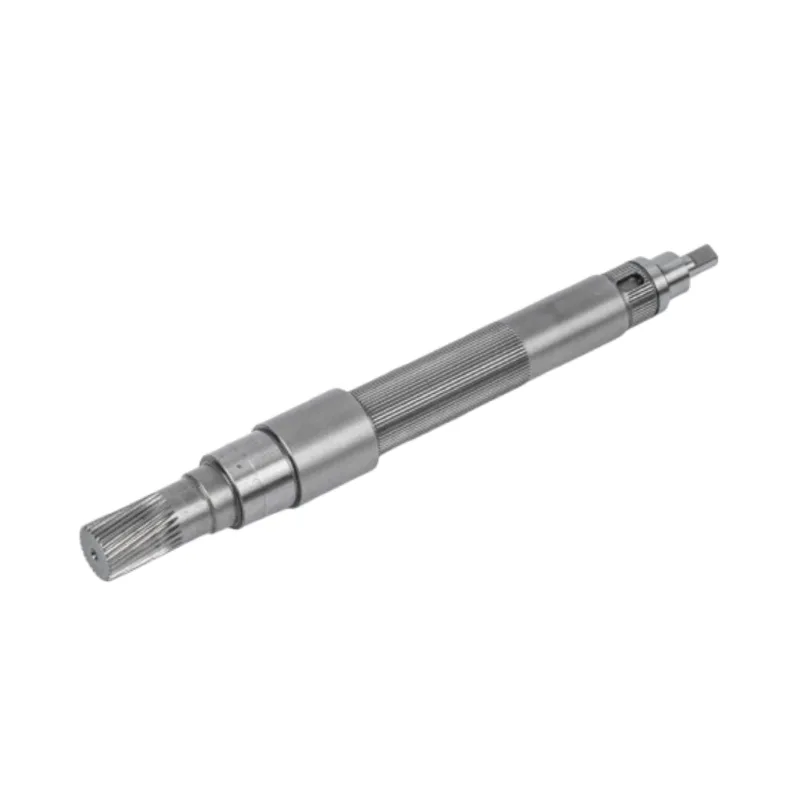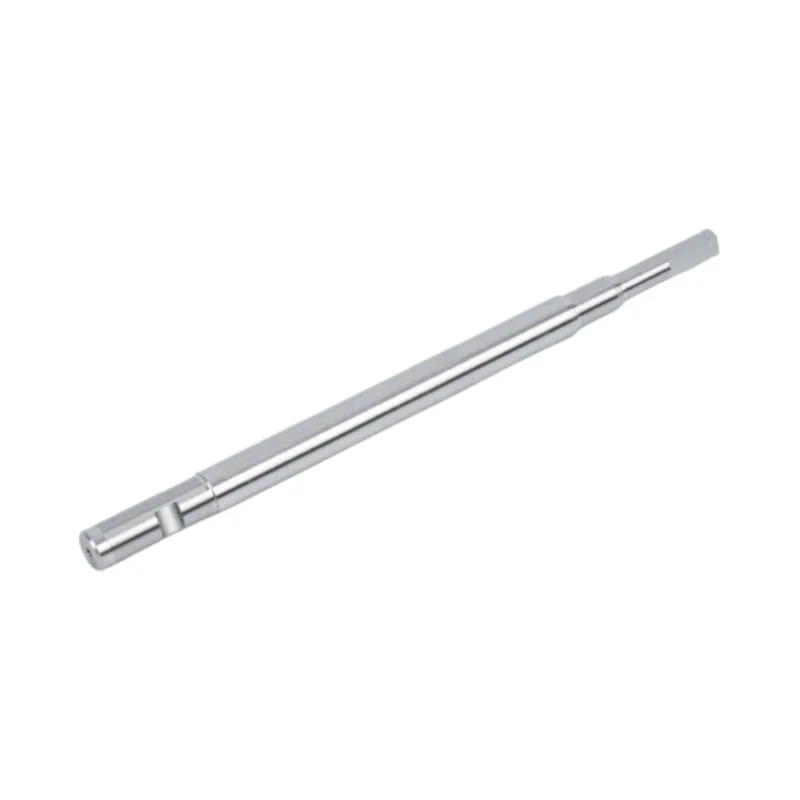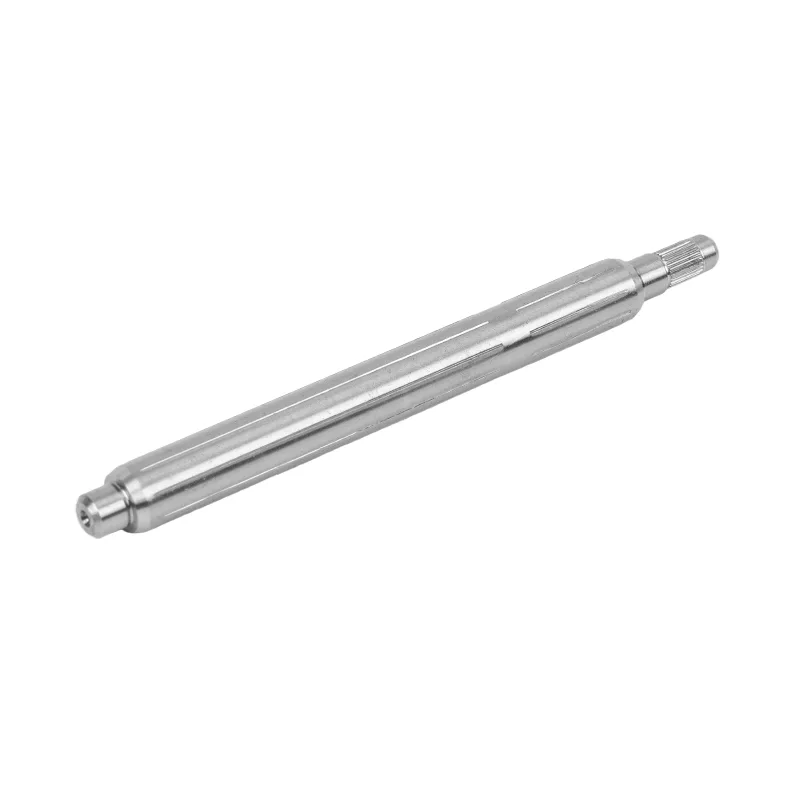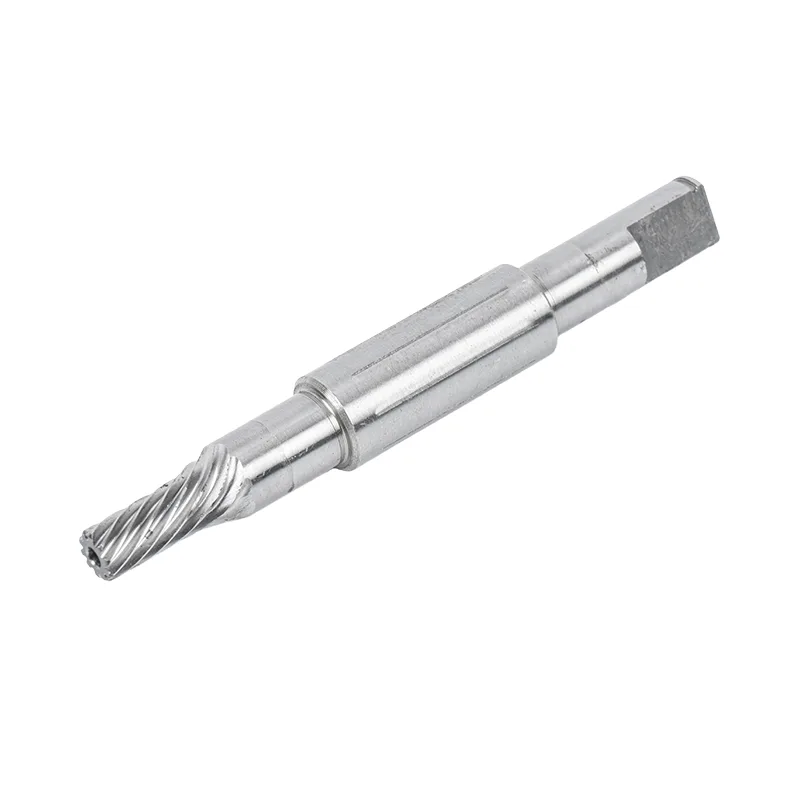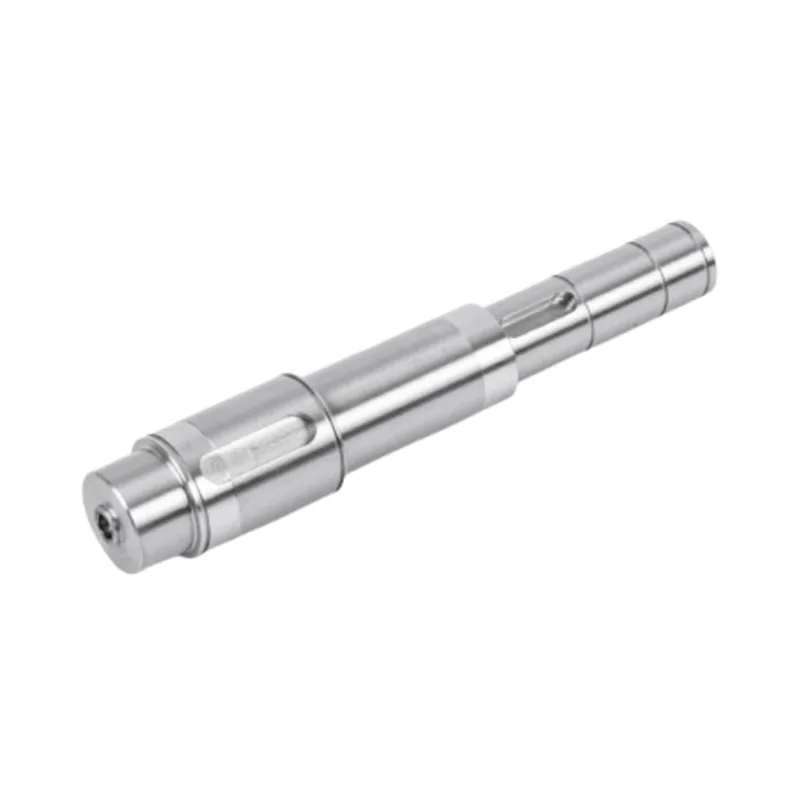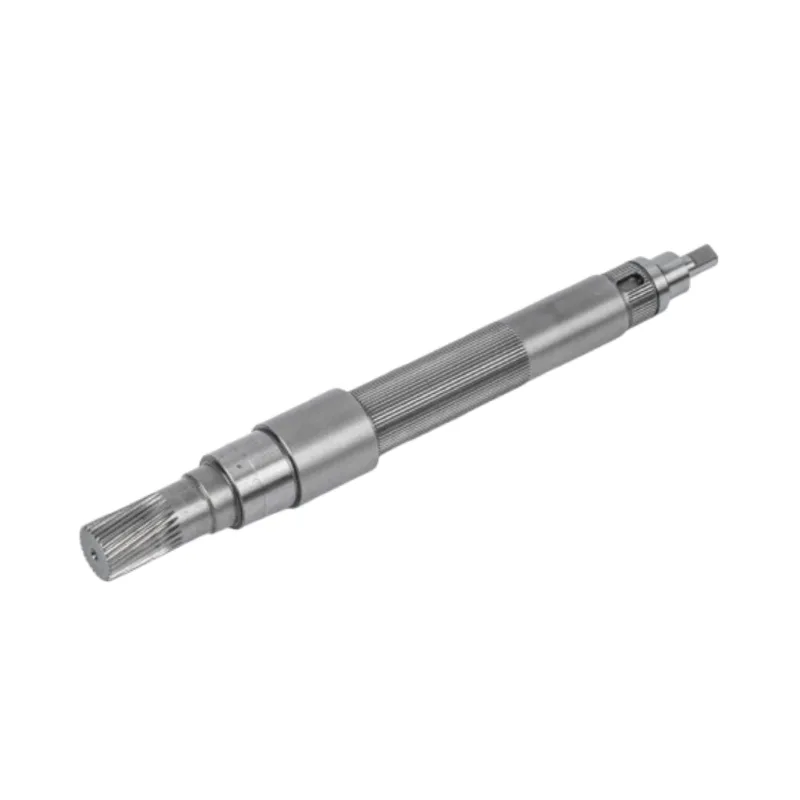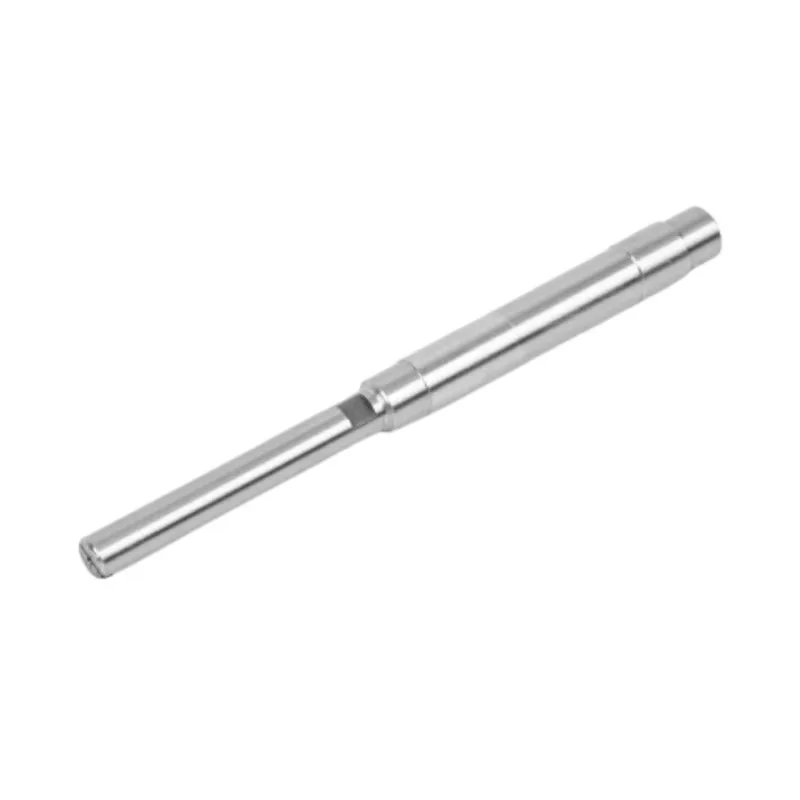

A stainless shaft can resist corrosion and still wear at the wrong interface. It can be hard enough and still miss the bearing fit. Material selection works when the grade, delivery condition and finished geometry are specified together.
"Stainless steel" is useful as a purchasing category. On a production drawing it leaves the machinist, heat-treatment supplier and inspector with different possible interpretations. Adding a hardness number does not resolve that ambiguity if the selected grade cannot follow the intended treatment route.
At drawing review, we would start with two practical questions: what reaches the shaft surface, and what contacts it mechanically? Those answers usually narrow the material choice more effectively than the name of the machine it goes into.
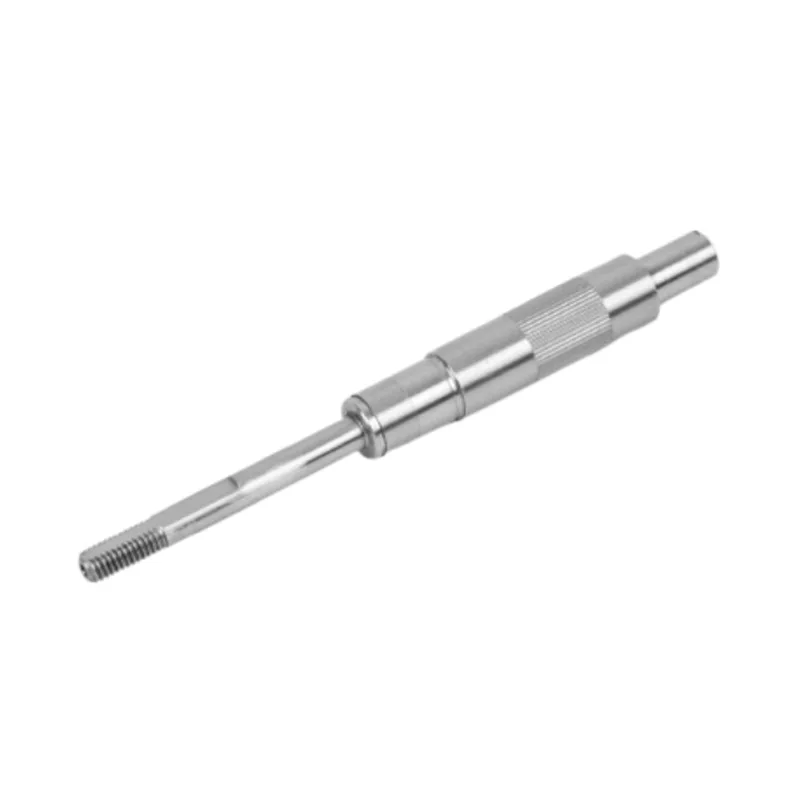
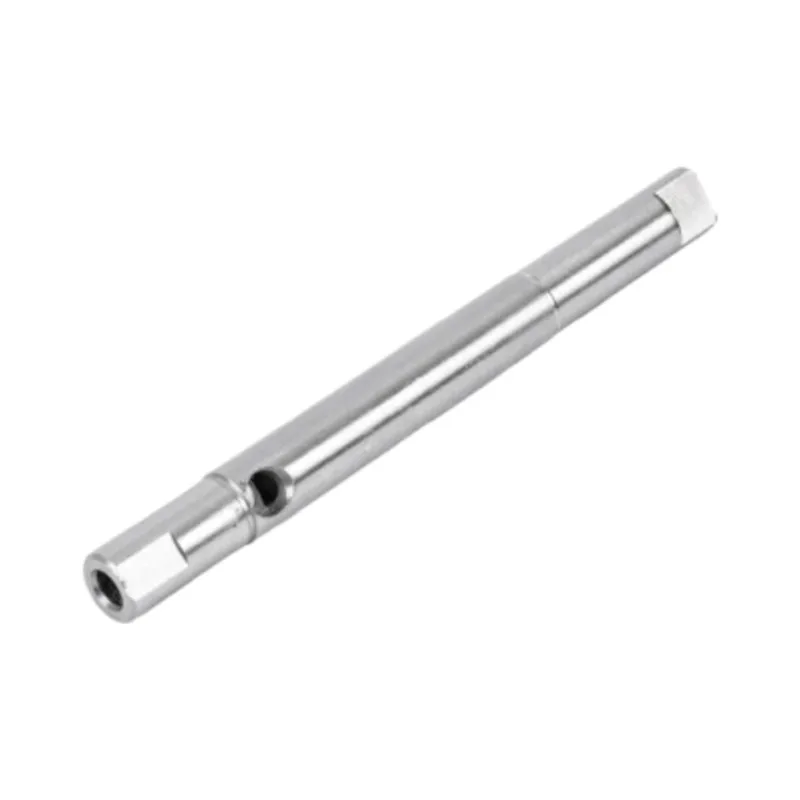
304, 316 and 420 solve different material problems
Our stainless steel motor shaft range includes 304, 316 and 420. The main distinction is between the austenitic 304/316 grades and hardenable martensitic 420. Moving to a different grade can change the manufacturing route as well as corrosion behavior.
| Grade | Reason to consider it | Material condition matters because... | Question before approval |
|---|---|---|---|
| 304 | General moisture exposure and mild corrosion conditions | Austenitic steel is not conventionally quench hardened like 420. The supplied condition affects its mechanical properties. | Does the shaft encounter only mild service, or also chlorides and more aggressive cleaning media? |
| 316 | Improved chloride pitting resistance compared with 304, due to its molybdenum addition | It remains an austenitic grade. Choosing it for corrosion does not deliver the hardness of quenched and tempered 420. | What are the actual medium, concentration, temperature and contact conditions? |
| 420 | A hard working surface after heat treatment, with corrosion resistance evaluated for the application | Hardness and corrosion behavior depend on the heat-treatment condition. The grade name alone does not guarantee a finished hardness. | Is wear the problem, and can the treated grade tolerate the same environment? |
Use the comparison to shortlist a grade. Actual material acceptance belongs to the drawing and specified supply standard. Scroll horizontally on small screens.
For many inquiries, 304 is a sensible first candidate. If the exposure demands better resistance to chloride pitting, we would examine 316. If the working surface requires substantial hardness, 420 creates a different option through heat treatment.
When severe corrosion and high contact wear occur together, this shortlist may not resolve the design. We would review the mating material, lubrication, geometry and possible surface treatment before forcing a choice among these three grades.
Specify what reaches the shaft, including cleaning
A motor mounted on a food packaging machine may have a shaft enclosed in a dry housing. Another shaft on the same line may see cleaning fluid directly. The equipment category alone does not describe either exposure well enough for material selection.
Write down the medium that touches the metal during operation and cleaning. Include concentration, temperature, exposure duration and whether the surface dries between cycles. Note any confined areas where liquid can remain. These details make a discussion about 304 versus 316 useful.
The stainless smooth-shaft material guide follows this distinction: 304 for general humid service, 316 for chemical or salt exposure, and heat-treated 420 where wear resistance matters. It is a starting point for an engineering review, not a universal compatibility table for every chemical mixture.
If corrosion is already present on an existing part, record where it starts. An exposed end, a seal track and an area under a fitted component present different conditions. Upgrading the alloy without recording the damaged location can leave an assembly or cleaning issue unresolved.
Read every hardness number with its material condition
Guanshuo's stainless product pages contain two useful hardness references. Keeping their contexts attached prevents a common drawing error.
| Website specification | Exact application of the value | What to carry into the drawing |
|---|---|---|
| HB 160 to 200 | The stainless motor shaft FAQ describes this as the approximate hardness of conventional 304/316. | The selected grade, supplied material condition and any required hardness test or acceptance range. |
| HRC 48 to 55 | The stainless smooth-shaft specification assigns this to 420 after quenching and low-temperature tempering. | 420 with the specified treatment, the required final hardness and the feature or location to be checked. |
HB and HRC are different hardness scales. Read each result in its original scale and condition. Comparing the raw numbers, or inserting a conversion without checking its applicability, would give the buyer a misleading acceptance criterion.
Conventional quench hardening is not how 304 and 316 obtain increased strength. Austenitic stainless steels can strengthen through cold work; that does not make their properties interchangeable with quenched and tempered 420. If a drawing combines an austenitic grade with a high hardness target, review the actual material and treatment route before quoting.
Find the wear mechanism before demanding more hardness
Ask whether the shaft surface slides against another part, supports a bearing ring, or transfers torque through a key or spline. A loose fit, relative movement at an interface and direct sliding wear are different problems.
We would not change a shaft to 420 solely because a worn bearing seat looks polished. Check the fit and alignment first. A hard surface can be useful, but it does not correct an oversized bore, an undersized shaft or a missing geometric control.
An RFQ can contain individually familiar requirements that conflict
Drawing-review exercise · not a customer case
Material: 316 stainless steel
Heat treatment: quench and temper to HRC 50
Finish: polished
Application: wet equipment
Each line sounds plausible in isolation. Together, they describe an unresolved material and process choice. The hardness request resembles a treated 420 requirement, while 316 may have been selected for corrosion. "Polished" also leaves the functional surface finish undefined.
We would ask which requirement is essential: the particular corrosion behavior of 316, the hard contact surface, or both. Then we would confirm the environment and mating interface before proposing a revision.
If corrosion drives the design
Retain 316 as a candidate, define the supplied condition and confirm its mechanical suitability for the actual interface. Specify the journal fit and final surface texture. Review any wear problem separately with the mating part and lubrication.
If hardness drives the design
Evaluate treated 420 with the HRC target and inspection location specified. Check corrosion suitability for the actual medium. Include heat treatment, any required correction and final grinding in the production review.
If both requirements remain essential, the answer is a broader engineering review. We would not silently substitute 420 for 316, or keep 316 on the quotation while assuming it will receive the 420 hardening route.
The grade and condition determine the finishing route
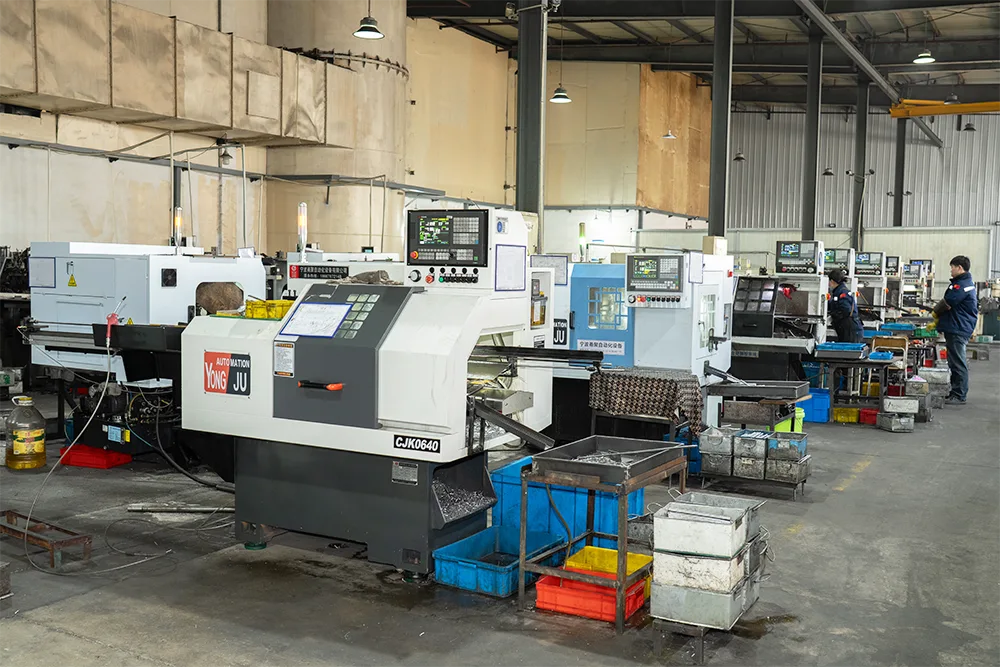
For a precision 420 shaft that requires hardening, the manufacturing plan needs to accommodate heat-treatment movement before final acceptance. Guanshuo's shaft machining process places hardening ahead of final grinding. That lets the finished journal be measured in the condition in which it will be used.
Two material routes to review before ordering
For 304 and 316, name the material condition instead of adding a generic hardening instruction. For 420, name the required final condition and hardness. Where heat treatment is needed, the quotation should include the finishing work that follows it.
Guanshuo supports polishing and passivation among its stainless-shaft surface options. These are separate choices from the steel grade. A polished surface is an appearance and texture outcome; it does not establish alloy identity or prove that a specified passivation process occurred.
A different stainless grade does not specify a better fit
Our stainless smooth-shaft product lists Ra ≤ 0.8 μm, straightness ≤ 0.03 mm, coaxiality ≤ 0.02 mm, circularity ≤ 0.01 mm and cylindricity ≤ 0.02 mm. These are geometric and surface specifications for that product. They do not follow automatically from choosing 304, 316 or 420.
The general stainless motor shaft product separately lists h7 as its standard outside-diameter tolerance. Those two pages describe different product specifications. A custom drawing should state the actual fits and geometry needed rather than assembling a new capability claim from whichever values appear tightest.
On a shaft with multiple diameters, mark which journals locate the rotor, bearing and drive components. Assign the controls to those surfaces and specify the measurement datums. Our surface roughness guide gives a practical method for defining the finish zones.
Prepare acceptance requirements before the first sample
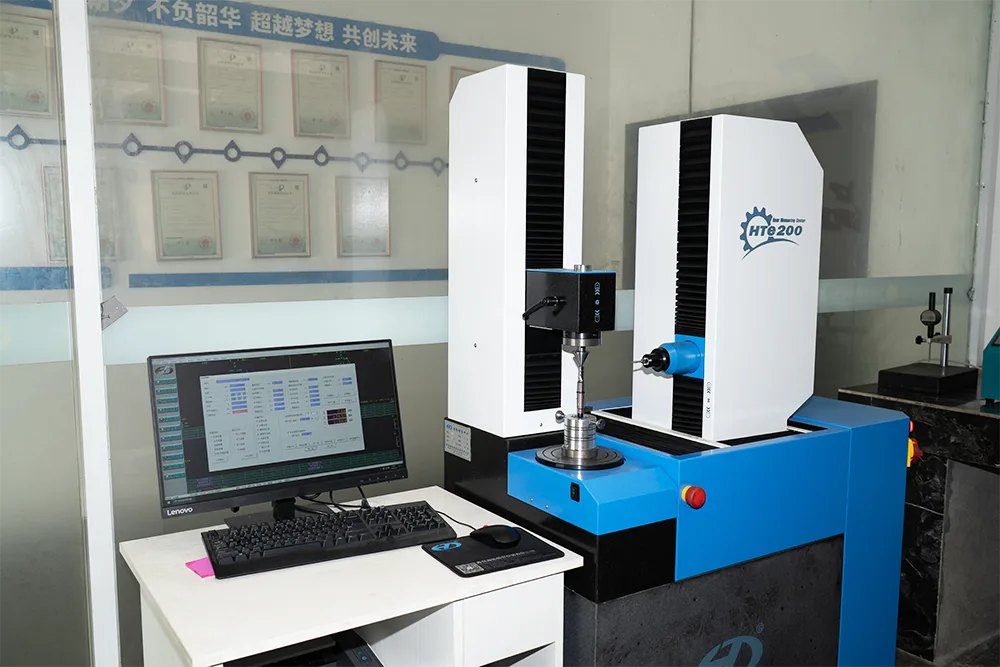
Guanshuo's stainless smooth-shaft process begins with incoming material checks and ends with dimensional, surface, hardness and geometric inspection. Use that sequence to decide what evidence the order needs.
A material certificate should identify the ordered grade and condition. A hardness result should identify its scale, location and process stage. The dimensional report should cover the finished part. Keeping those records connected makes the sample review much more useful.
- State the exact material designation and governing supply standard. Avoid a loose "316/316L" designation unless both are acceptable.
- Define the delivery or heat-treatment condition and any final hardness requirement.
- Describe the process medium, cleaning exposure, temperature and contact conditions.
- Identify the working interfaces, loads and any observed wear locations.
- Give final fits, geometry, roughness and surface-treatment requirements.
- Agree on material records, inspection locations, report content and sample acceptance.
For an initial sample, we would rather receive a marked drawing and a description of the service conditions than a request for the "best stainless." That lets us discuss a specific grade, condition and route, with the trade-offs visible before production.
Questions buyers ask
Is 316 always better than 304 for a motor shaft?
No. 316 offers improved chloride pitting resistance compared with 304, but the choice depends on actual exposure. For mild conditions, 304 may meet the requirement. Selecting 316 does not by itself provide a harder journal, a tighter fit or lower runout.
What hardness can a 420 stainless motor shaft reach?
Guanshuo specifies HRC 48 to 55 for its 420 stainless smooth-shaft option after quenching and low-temperature tempering. The drawing should state the required final hardness, material condition and inspection location. The value does not apply to untreated 420 or to every stainless grade.
Can 304 and 316 be hardened in the same way as 420?
No. 304 and 316 are austenitic grades and do not use the conventional quench-and-temper hardening route of martensitic 420. Cold working can increase austenitic stainless strength, so the supplied condition still matters. Review any high hardness target against the exact grade and proposed process.
Does a polished shaft need a separate passivation requirement?
If passivation is required, specify it separately. Polishing describes a finishing operation and does not prove that a passivation process has been performed. Guanshuo offers both polishing and passivation options for stainless motor shafts.
What should I send for stainless shaft material selection?
Send the drawing, actual operating and cleaning media, temperature, load and mating-contact information. Include required fits, hardness, surface finish and any failure observations. These details allow the grade and condition to be reviewed together with the manufacturing route.