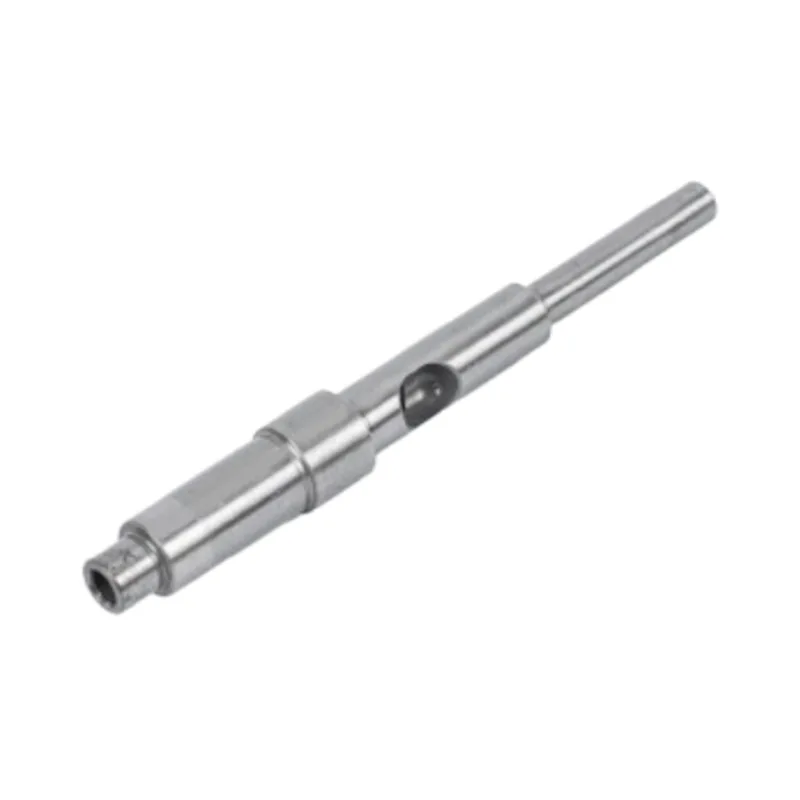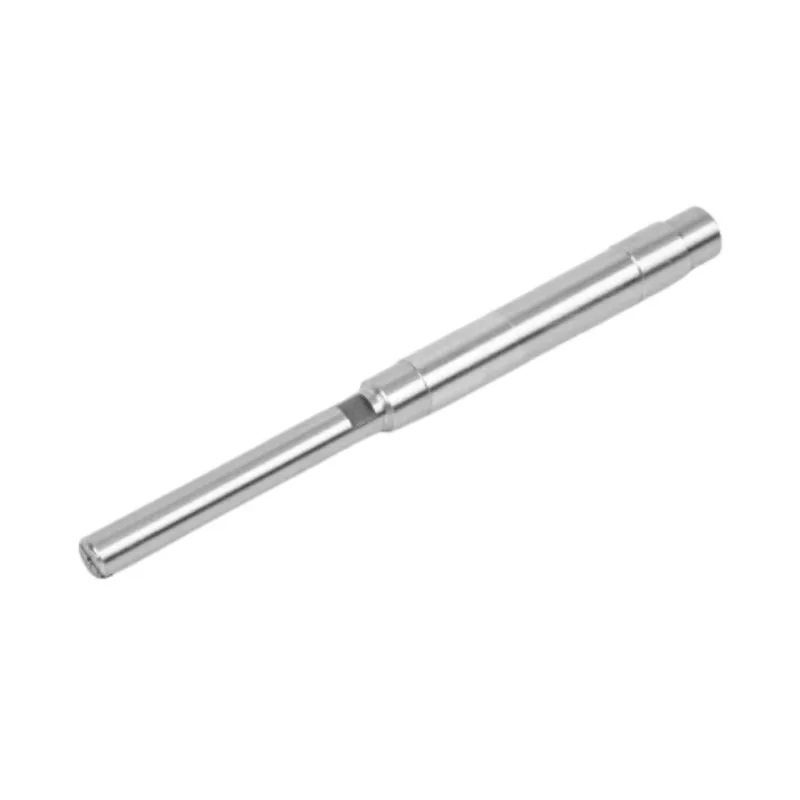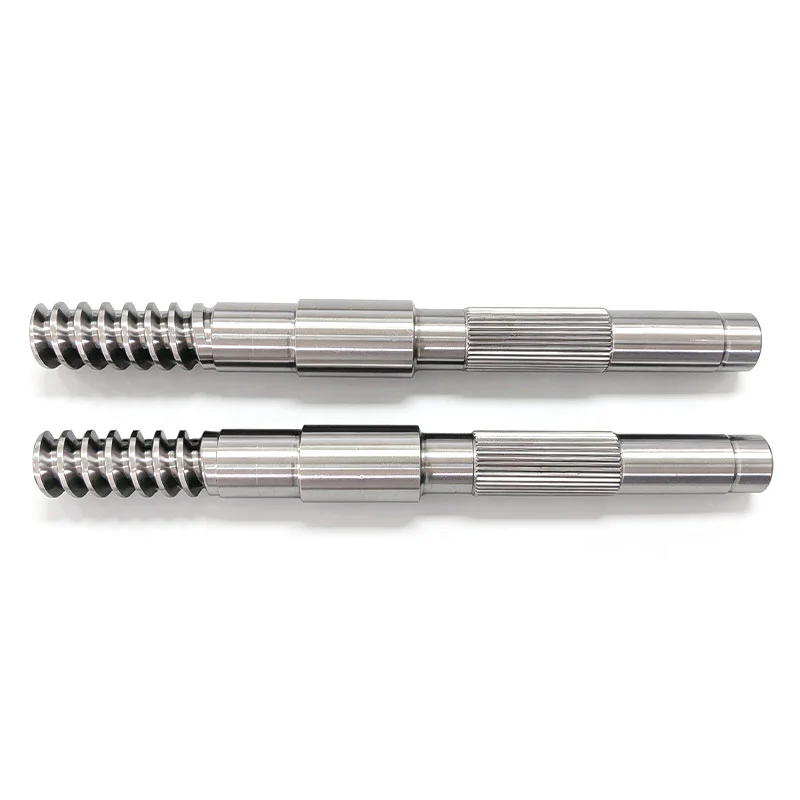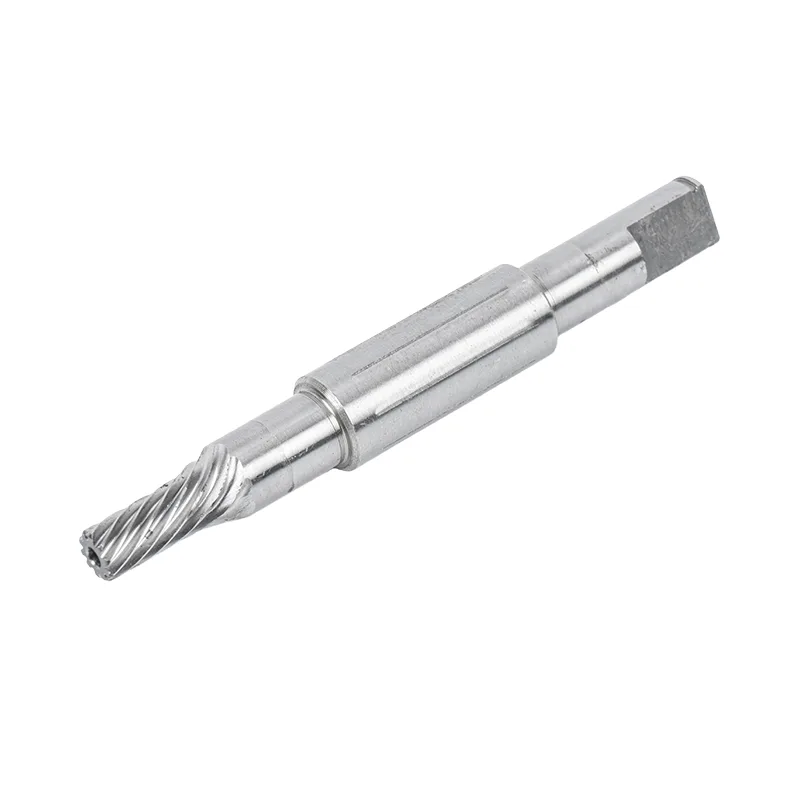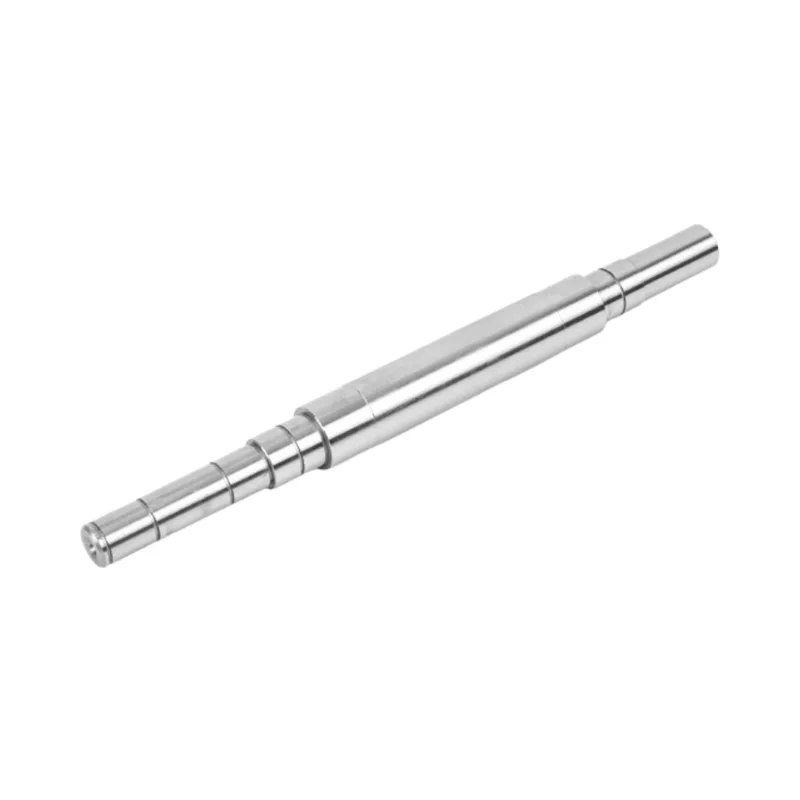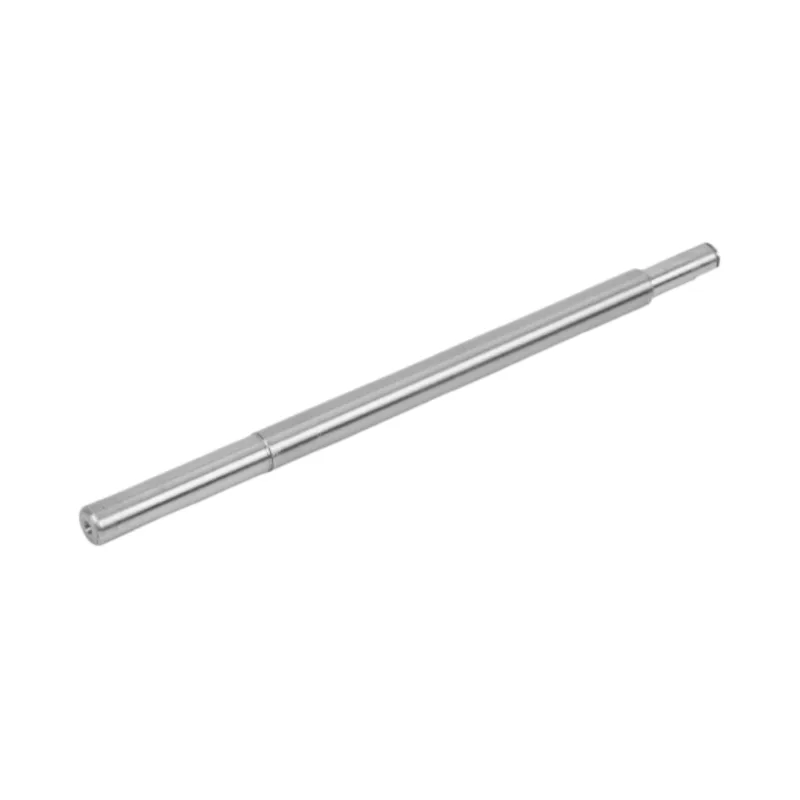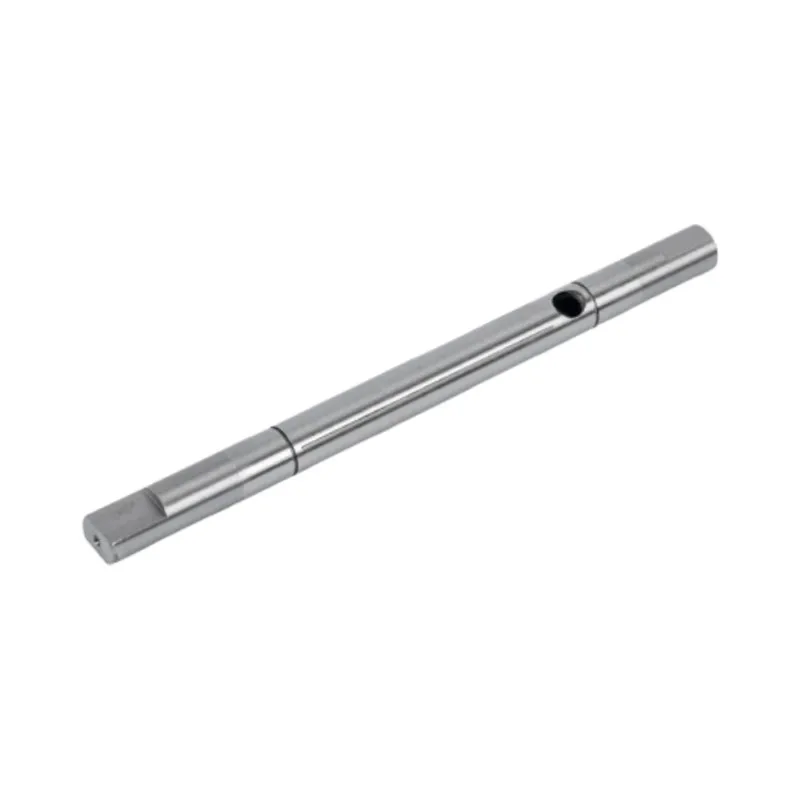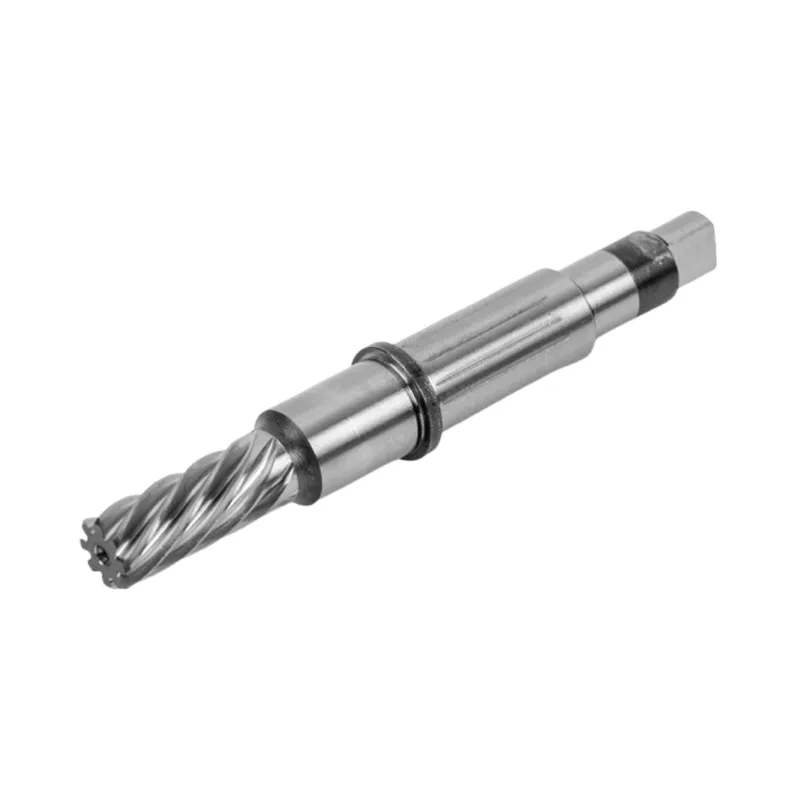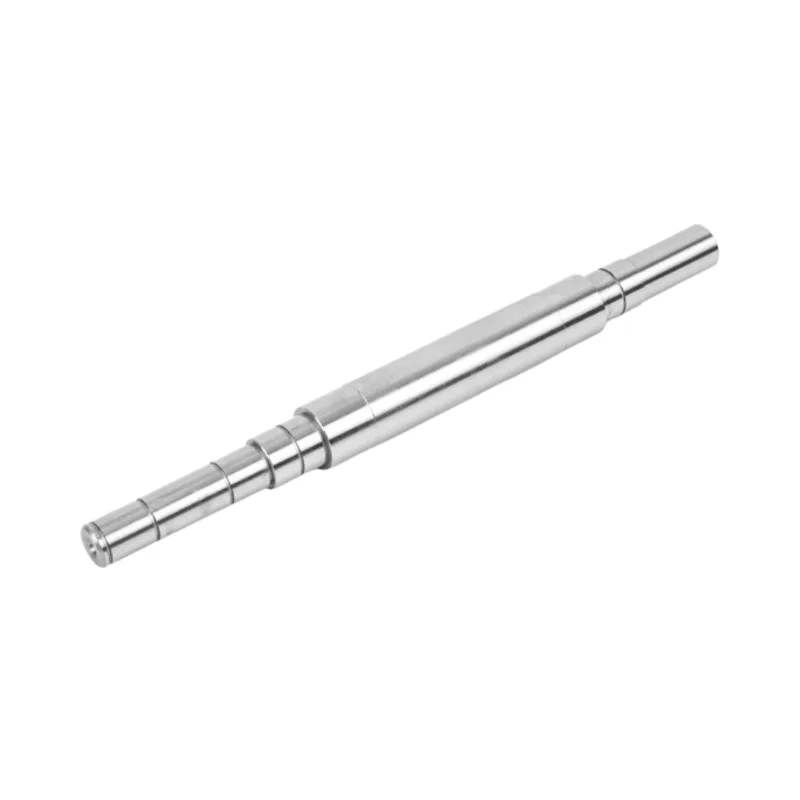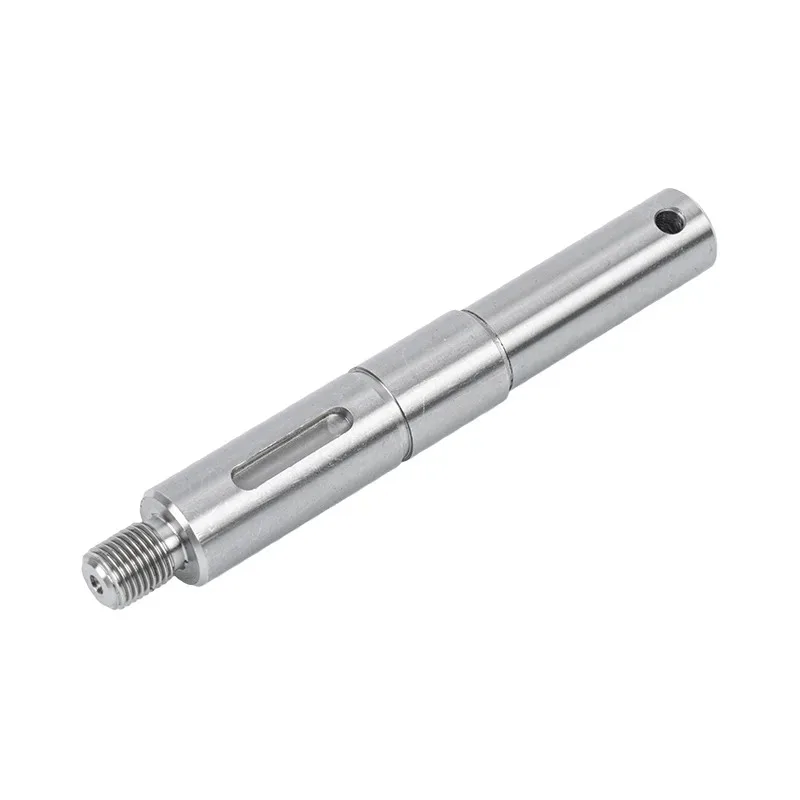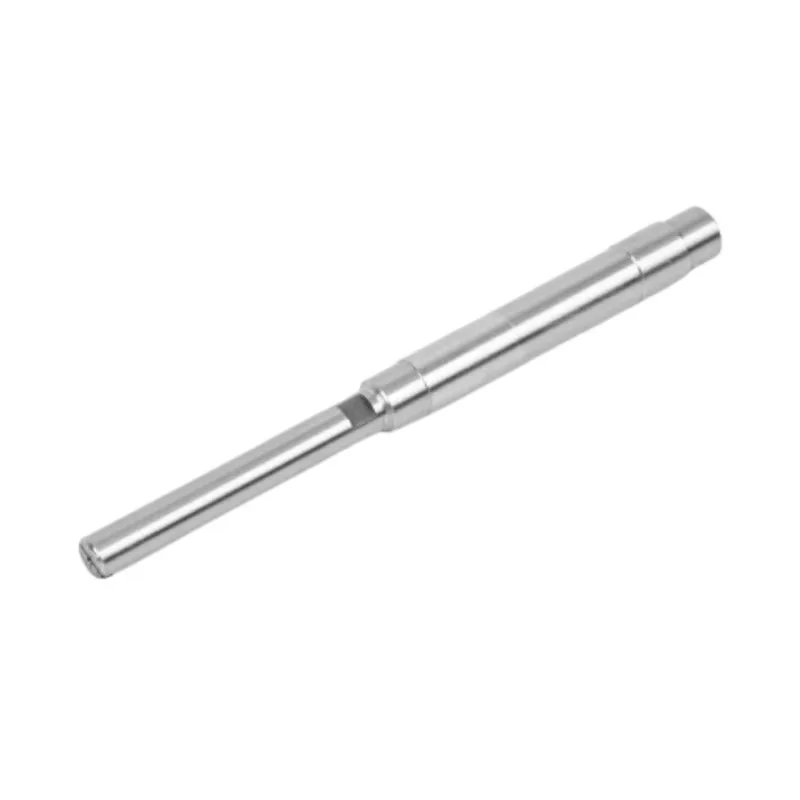

Selecting the right Hydraulic Driven Motor Shaft is a critical engineering decision that directly impacts the performance, durability, and reliability of your hydraulic system. Whether you are specifying a shaft for a mobile hydraulic application, an industrial power unit, or a specialized piece of equipment, the selection process requires a thorough evaluation of multiple technical parameters. This guide explores the five essential factors that engineers and procurement professionals must evaluate when purchasing a custom Hydraulic Driven Motor Shaft. From material composition and heat treatment to geometric precision and surface finishing, each factor plays a vital role in ensuring that the shaft meets the demanding operational requirements of your application. By understanding these critical considerations, you can make an informed decision that optimizes system performance and extends the service life of your hydraulic motor assembly.
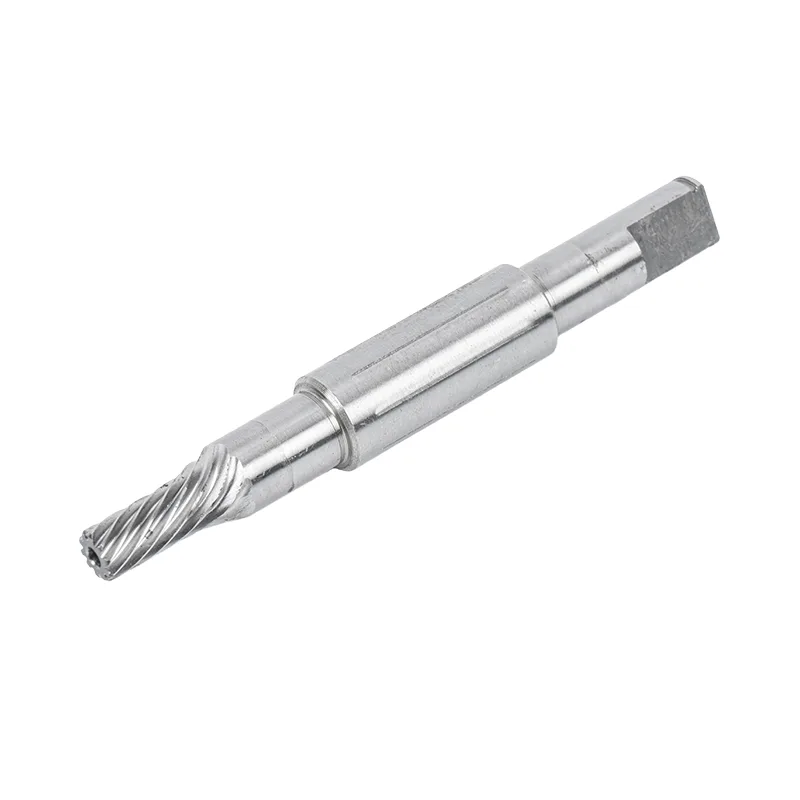
1. Material Selection and Metallurgical Properties
The foundation of any high-performance Hydraulic Driven Motor Shaft lies in its material composition. The shaft must withstand cyclic loading, torsional stress, and potentially corrosive environments while maintaining dimensional stability over thousands of operating hours. Common materials include medium-carbon steels such as AISI 1045 for general applications, and alloy steels like AISI 4140 or 42CrMo for higher-strength requirements. For applications demanding superior corrosion resistance, stainless steel grades such as 17-4PH offer an excellent balance of strength and durability.
The material selection process must consider the specific operating conditions of your hydraulic system. Factors such as operating pressure, rotational speed, temperature range, and exposure to hydraulic fluids all influence the optimal material choice. A shaft that performs well in a low-speed, high-torque application may fail prematurely in a high-speed, continuous-duty scenario. Additionally, the material's response to heat treatment and its machinability are crucial considerations that affect both performance and manufacturability.
Engineering Insight: The yield strength and fatigue resistance of the shaft material directly correlate with the motor's ability to deliver consistent torque output. Selecting a material with appropriate mechanical properties ensures that the shaft can handle peak loads without experiencing plastic deformation or premature failure. Advanced material testing, including impact and hardness verification, is standard practice at leading manufacturing facilities.
2. Geometric Accuracy and Dimensional Tolerances
Precision in geometry is non-negotiable when it comes to a Hydraulic Driven Motor Shaft. The shaft must interface seamlessly with bearings, seals, and coupling components, requiring exacting dimensional tolerances. Key geometric parameters include shaft diameter, concentricity, roundness, and straightness. Even minor deviations from specified tolerances can lead to vibration, premature bearing wear, seal leakage, and reduced overall system efficiency.
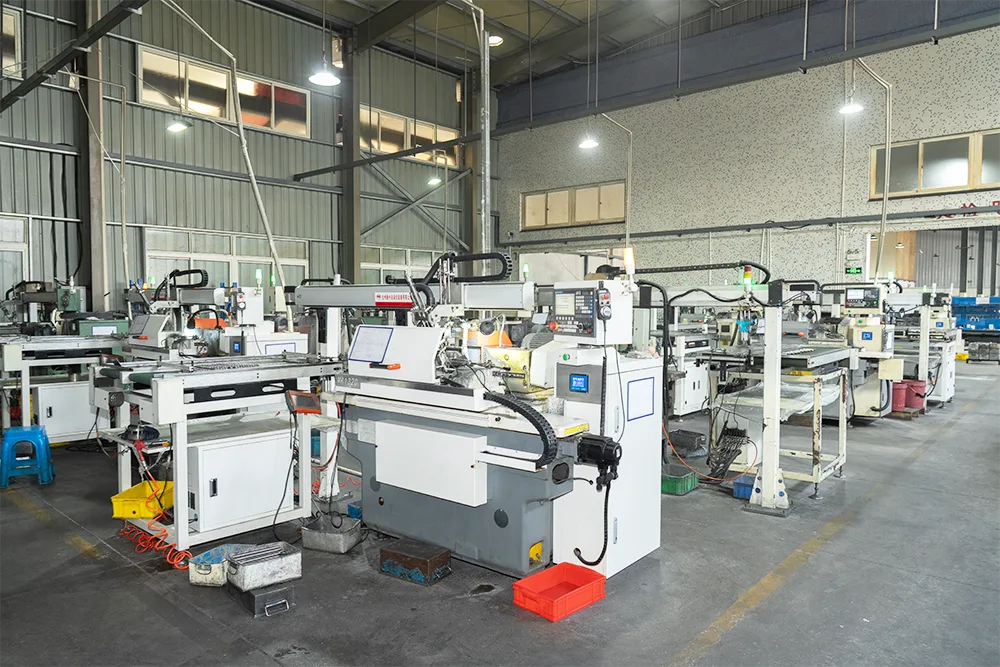
Modern manufacturing processes such as CNC turning, grinding, and honing enable the production of shafts with micron-level precision. When evaluating potential suppliers, it is essential to assess their capability to maintain tight tolerances consistently across production runs. The shaft's geometry must also accommodate any splines, keyways, or threads that are integral to the power transmission path. Spline profiles, whether rectangular or involute, require particular attention to ensure proper load distribution and torque transmission.
Critical Dimensional Checks
- Diameter tolerance: Typically held to ±0.01 mm for bearing fitment
- Concentricity: Ensures rotational balance and minimizes vibration
- Straightness: Prevents binding and uneven load distribution
- Spline profile accuracy: Essential for proper torque transmission
- Keyway dimensions: Must match coupling specifications precisely
3. Surface Finish and Coating Specifications
The surface finish of a Hydraulic Driven Motor Shaft significantly influences its performance and longevity. A smooth surface finish reduces friction at bearing interfaces, minimizes seal wear, and provides better resistance to corrosion and fatigue crack initiation. Surface roughness is typically specified in terms of Ra (average roughness) values, with critical bearing journals often requiring finishes of 0.4 µm Ra or better.
Beyond basic finish requirements, specialized coatings can enhance the shaft's performance in demanding environments. Nickel plating provides excellent corrosion resistance and hardness, while specialized coatings such as nickel-aluminum layers can improve wear resistance and reduce friction. The choice of coating or surface treatment must be evaluated in the context of the operating environment, including exposure to moisture, chemicals, and abrasive contaminants.
Performance Note: Proper surface preparation and finishing are essential for achieving optimal seal performance and preventing fluid leakage. A well-finished shaft surface extends seal life and reduces maintenance intervals. Manufacturers with advanced grinding and superfinishing capabilities deliver superior surface integrity that translates directly into field reliability.
4. Heat Treatment and Hardness Profile
Heat treatment processes transform the microstructure of the shaft material, imparting the necessary mechanical properties for demanding hydraulic applications. The hardness profile of the shaft must be carefully engineered to balance wear resistance with toughness. Case hardening processes such as carburizing or nitriding create a hard, wear-resistant surface layer while maintaining a tough, ductile core that can absorb shock loads.
Through-hardening may be appropriate for smaller shafts or applications where uniform hardness is required throughout the cross-section. However, for larger shafts or those subject to high torsional loads, a differential hardness profile often provides the optimal combination of surface durability and core toughness. The heat treatment process must be carefully controlled to achieve the specified hardness values without introducing distortion or residual stresses that could compromise dimensional accuracy.
Typical Hardness Specifications
- Surface hardness: 55-62 HRC for wear-resistant applications
- Core hardness: 25-35 HRC for toughness and shock resistance
- Case depth: 0.5-2.0 mm depending on application requirements
- Distortion control: Critical for maintaining dimensional tolerances
5. Customization Capabilities and Design Flexibility
Every hydraulic application presents unique challenges that may require a custom-engineered shaft solution. The ability to customize geometry, material, heat treatment, and surface finishing allows the shaft to be optimized for specific operating conditions. Whether you need a special spline profile, a non-standard length, or a unique combination of features, working with a manufacturer that offers comprehensive customization capabilities is essential.
Design flexibility extends beyond simply modifying standard dimensions. Advanced manufacturing capabilities enable the production of complex geometries, including stepped shafts, tapered sections, and integrated features that reduce assembly complexity. The ability to produce prototypes quickly and iterate on designs can significantly accelerate product development cycles and ensure that the final shaft meets all performance requirements.
Customization Advantage: A truly custom shaft solution addresses the specific demands of your application, from extreme loads and high speeds to corrosive environments and space constraints. This targeted approach maximizes system performance and reliability. With in-house engineering support and flexible production lines, manufacturers can accommodate even the most intricate design specifications without compromising quality or lead times.
Frequently Asked Questions
For over a decade, Guanshuo has been a trusted partner in the design and manufacture of high-precision hydraulic components, delivering shafts that consistently exceed industry standards. Every shaft is produced using state-of-the-art equipment and undergoes rigorous quality inspection to guarantee performance and longevity. contact us today to discuss your specific requirements and discover how our engineering expertise can bring your hydraulic system to the next level.