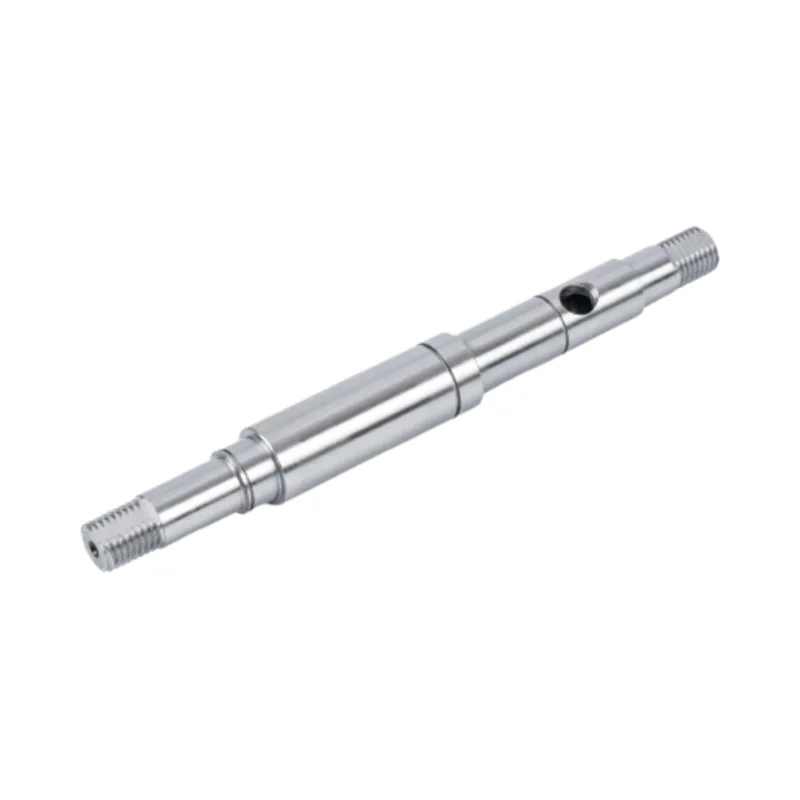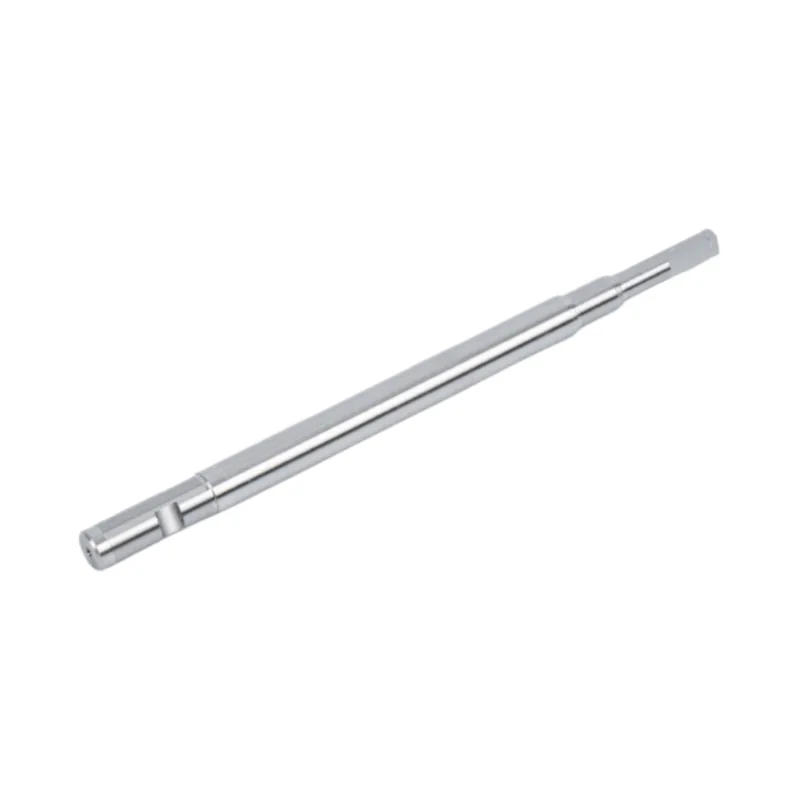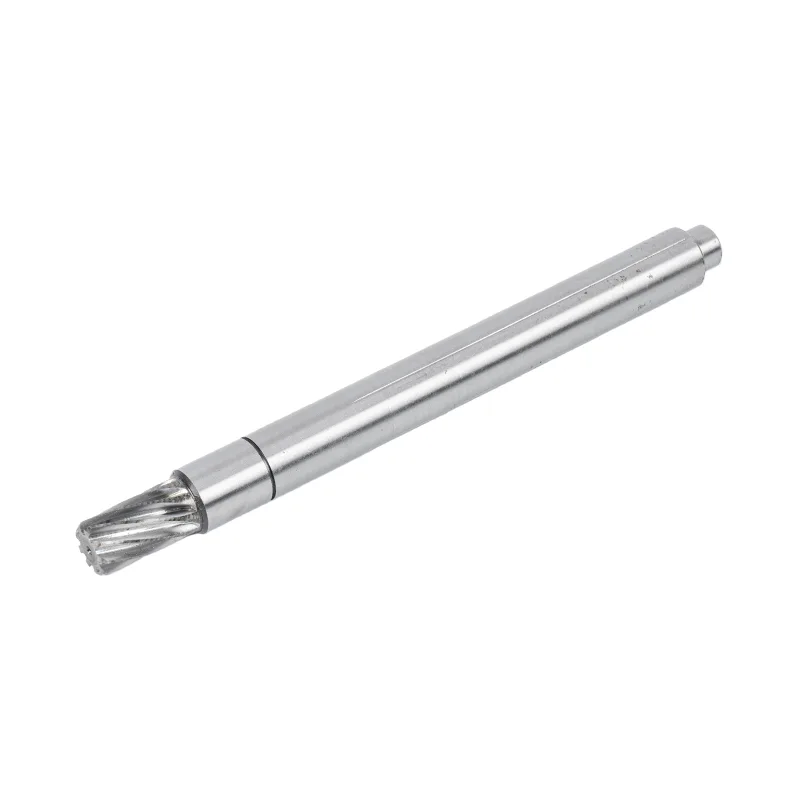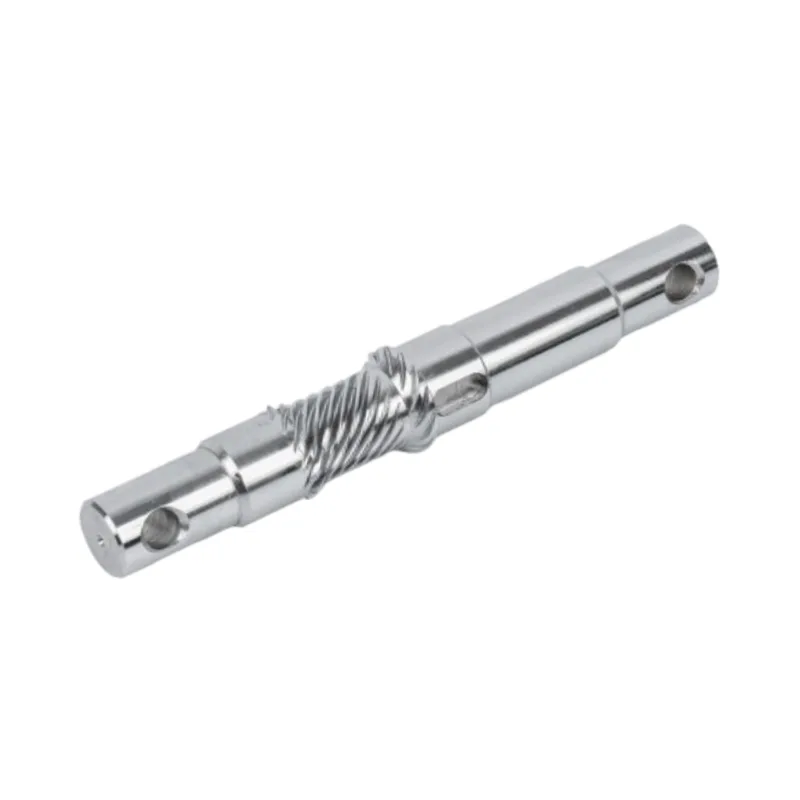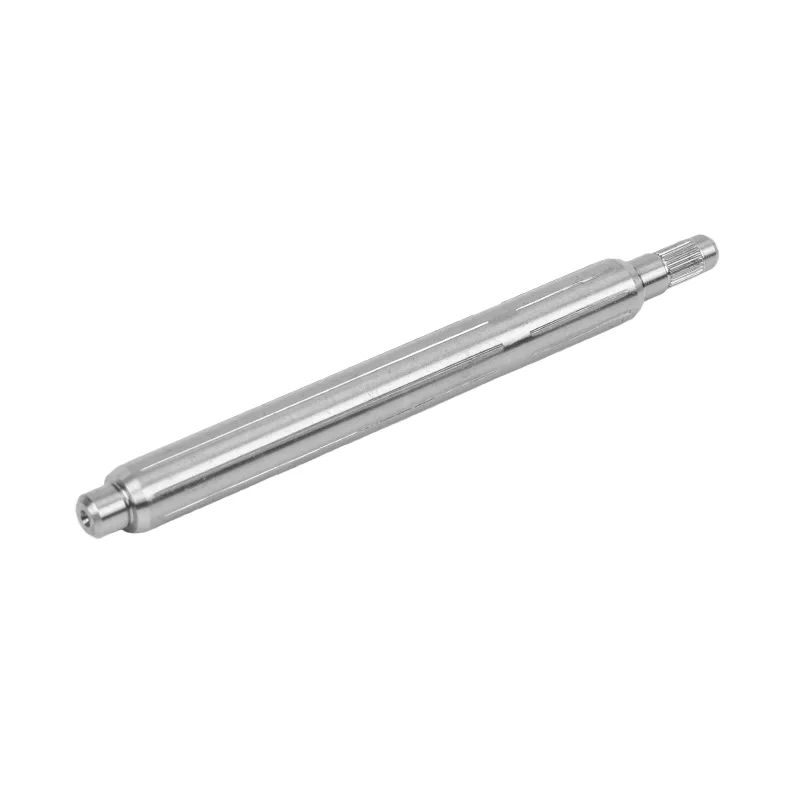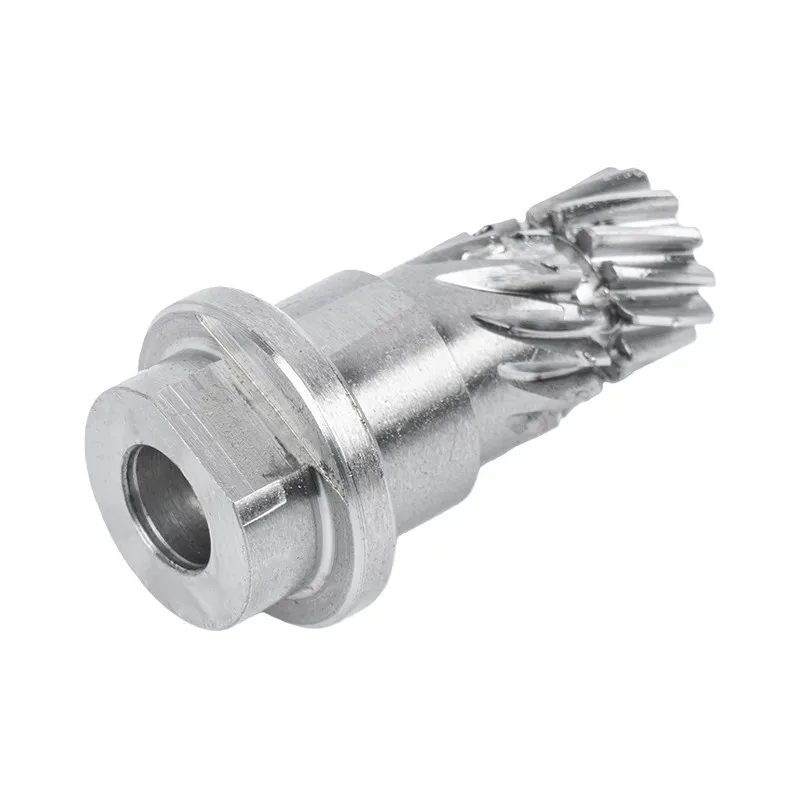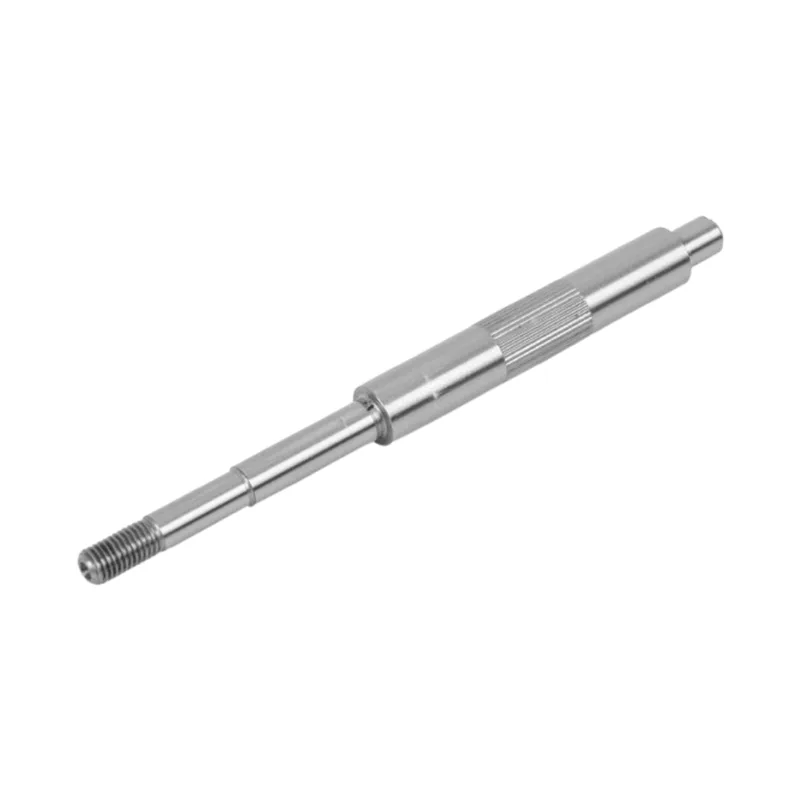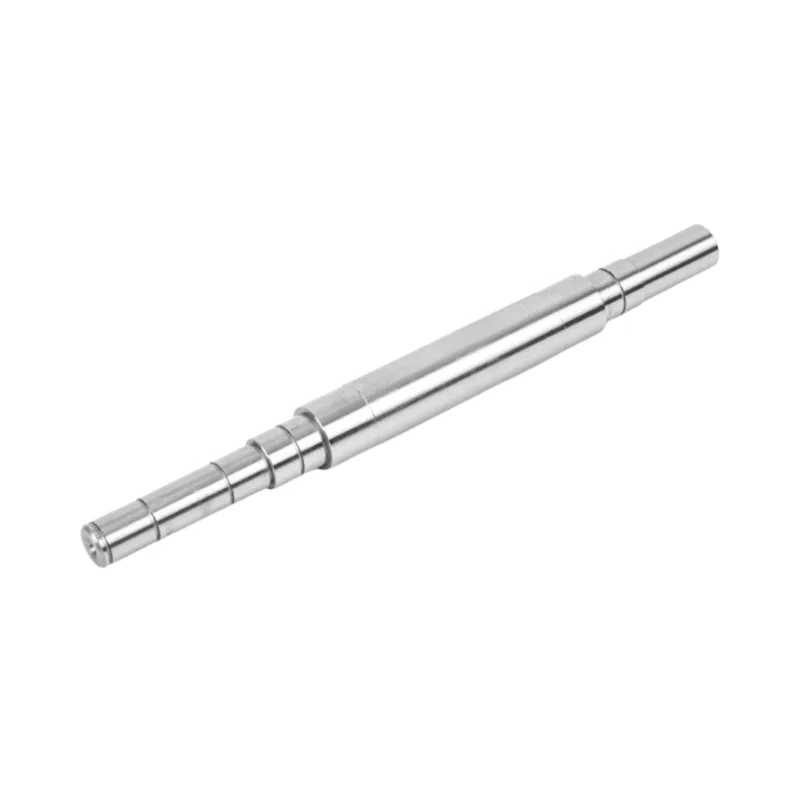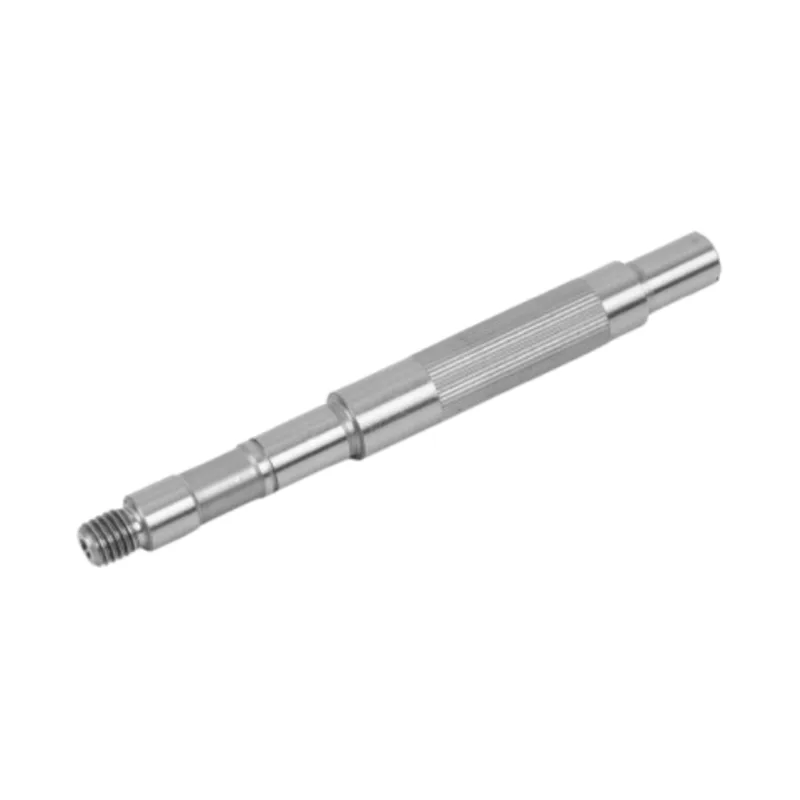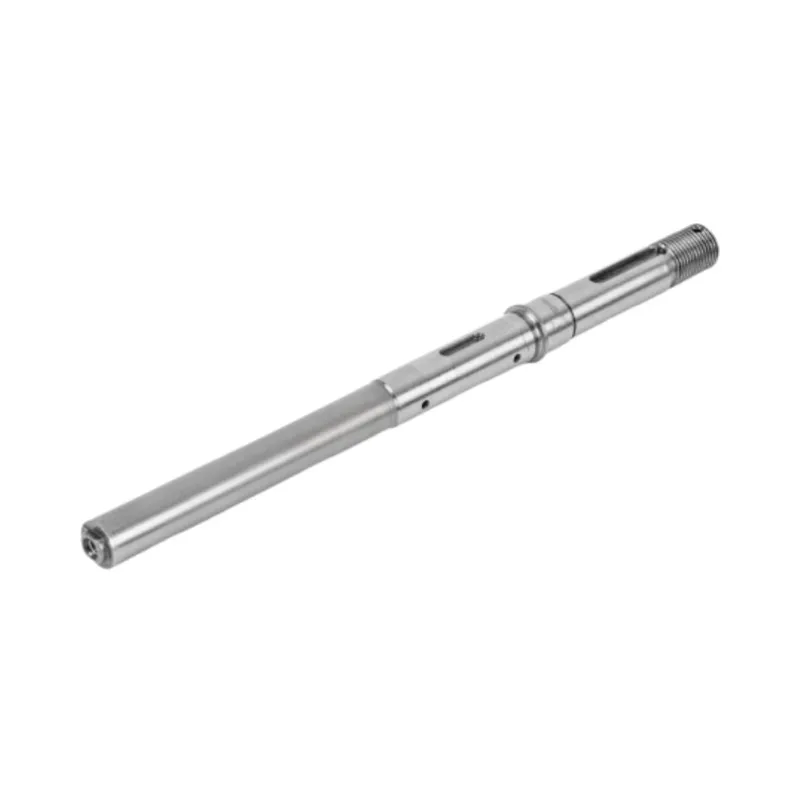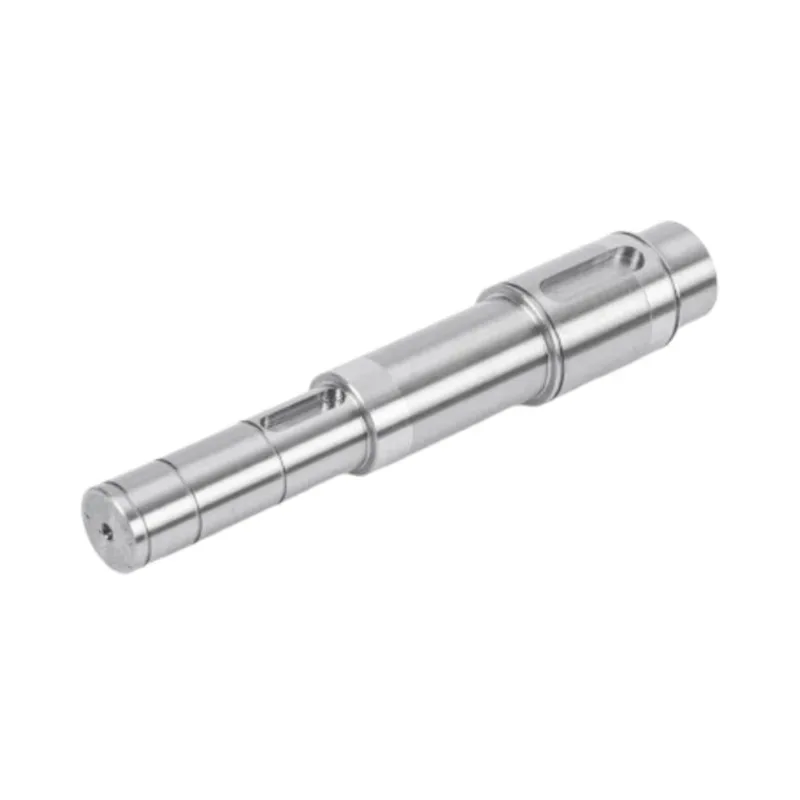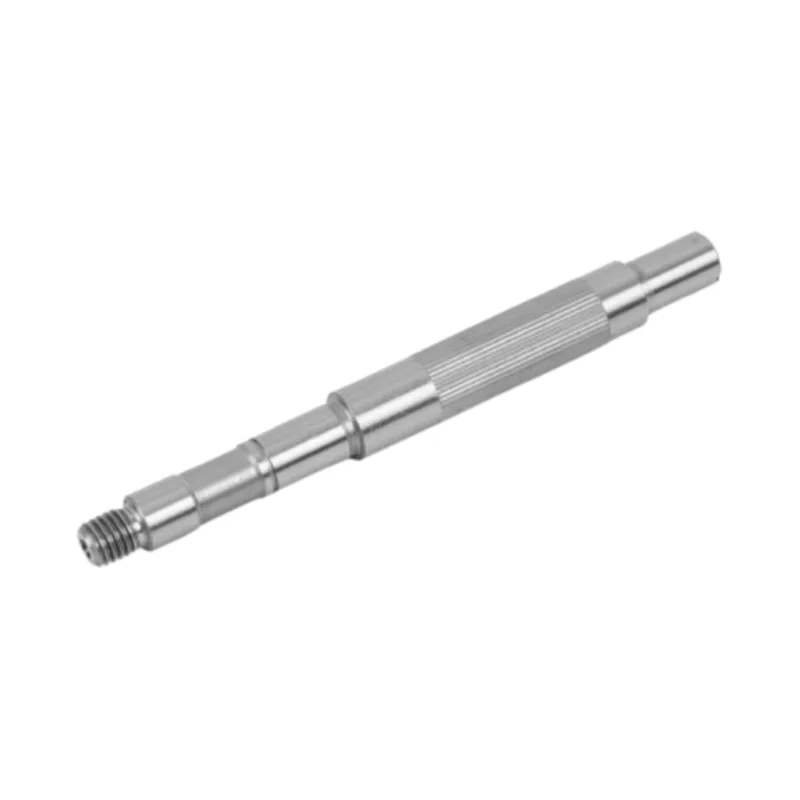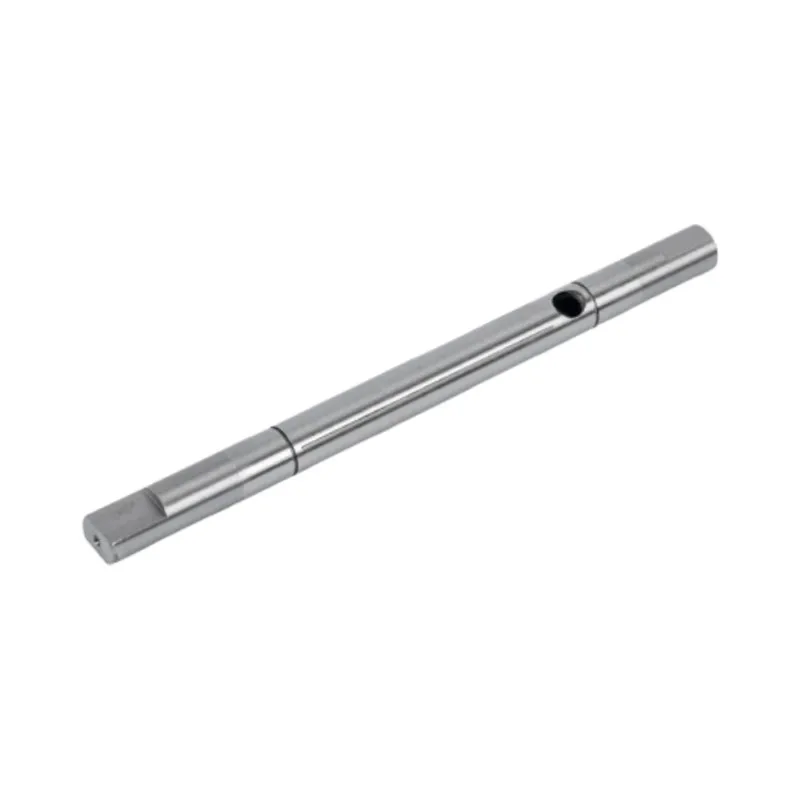

Quick answerAn EV motor shaft, or rotor shaft, is the core shaft of an electric vehicle drive motor. It differs from a standard motor shaft in three ways. It usually runs hollow, to cut weight and let coolant flow through the bore. It uses hardened alloy steel and a spline to handle high torque and fast reversals. And it is balanced and ground to very tight limits, because EV motors spin far faster than industrial motors. These demands make the rotor shaft one of the hardest parts in the whole drive unit.
An EV drive motor asks more of its shaft than any industrial motor does. It spins faster. It reverses torque thousands of times a day. It runs hot, then cold, then hot again. And the buyer wants it light, to save range. The rotor shaft has to meet all of that at once. This guide explains how EV rotor shafts are designed, cooled, and made, and how to write a spec that a shaft manufacturer can build.
A standard motor shaft in a pump or fan runs at a steady speed and a steady load. An EV rotor shaft does not. It faces four demands that a normal shaft never sees together.
First, speed. EV drive motors run far faster than mains motors. High rpm multiplies any tiny imbalance into large vibration. Second, torque reversals. Every time the car accelerates or brakes with regen, the shaft loads and unloads. That drives fatigue. Third, heat. The rotor gets hot, so the shaft must carry or resist that heat. Fourth, weight. Any mass on the shaft is rotating mass, and rotating mass costs range.
The rotor shaft also sets the air gap between rotor and stator. If the shaft runs out, the gap changes as it turns. That hurts efficiency and adds noise. So concentricity is not a nicety here. It is central to how the motor performs.
Most EV drive motors use a hollow rotor shaft rather than a solid one. The bore down the center brings two clear gains.
The first gain is weight. Removing the core removes mass from the largest radius of the bar. That lowers both the shaft weight and its rotating inertia. Lower inertia means the motor accelerates faster and wastes less energy speeding up and slowing down. Over a drive cycle, that helps range.
The second gain is function. The bore is not empty space. It can carry cooling oil, a resolver wire, or a second concentric shaft in some layouts. So the hollow shaft does two jobs, structure and plumbing, in one part.
A bore lowers stiffness and strength if it is too large. The wall must stay thick enough to carry the torque and resist bending. Good design tunes the bore diameter to the torque, not to the maximum the material allows. Guanshuo machines hollow shafts with bores from 3 mm to 50 mm inside shaft diameters up to 130 mm, so the wall can be matched to the duty.
High power density makes heat. The magnets and the rotor core both heat up under load. If that heat is not removed, the magnets weaken and the motor derates. A hollow shaft solves this by carrying coolant right to the center of the rotor.
In a common layout, oil is pumped into the bore at one end. It flows along the inside of the shaft, picks up heat from the rotor, and exits at the other end. Some designs spray the oil out through small radial holes onto the windings. This puts the coolant where the heat is, which air cooling cannot match.
For this to work, the bore must be clean, straight, and accurately sized. A rough or off-center bore disturbs the flow and the balance. This is why a cooled rotor shaft is a precision bore job, not just a drilled hole.
The rotor shaft carries the full motor torque and every reversal of it. That calls for a steel with high fatigue strength that also responds to hardening. Alloy steels lead here.
| Material | Role on an EV shaft |
|---|---|
| 4140 alloy steel | Strong, tough, good fatigue life. A common base for hardened rotor shafts. |
| 4340 alloy steel | Higher strength again, for the most heavily loaded shafts. |
| Case-hardening alloy steel | Used where the spline needs a hard, wear-resistant surface over a tough core. |
Heat treatment then tailors the properties. The body is quenched and tempered for core strength. The bearing journals and the spline are often induction hardened, so the surface resists wear while the core stays tough. Guanshuo reaches 42 to 48 HRC on typical shafts, and higher on surfaces that need it. Hardening always happens before final grinding, because it moves the metal.
Speed is what makes the rotor shaft hard to build well. A small imbalance that is harmless at 1,500 rpm becomes a strong shaking force at high EV speeds. Force from imbalance rises with the square of speed. So an EV shaft must be balanced and ground far more tightly than an industrial one.
Three specs control this. Dynamic balance keeps the mass centered, so the shaft does not shake at speed. Guanshuo balances shafts to a G0.1 to G0.4 grade. Runout, or TIR, keeps every diameter true to the axis. Guanshuo holds TIR to 0.01 mm, and often to 0.005 mm. Surface finish on the journals, at Ra≤0.4 μm, keeps the bearings quiet and long-lived.
Together these specs decide the noise, vibration, and harshness, or NVH, of the motor. EV cabins are quiet, so any motor whine is easy to hear. Tight shaft specs are a large part of keeping the drive unit silent.
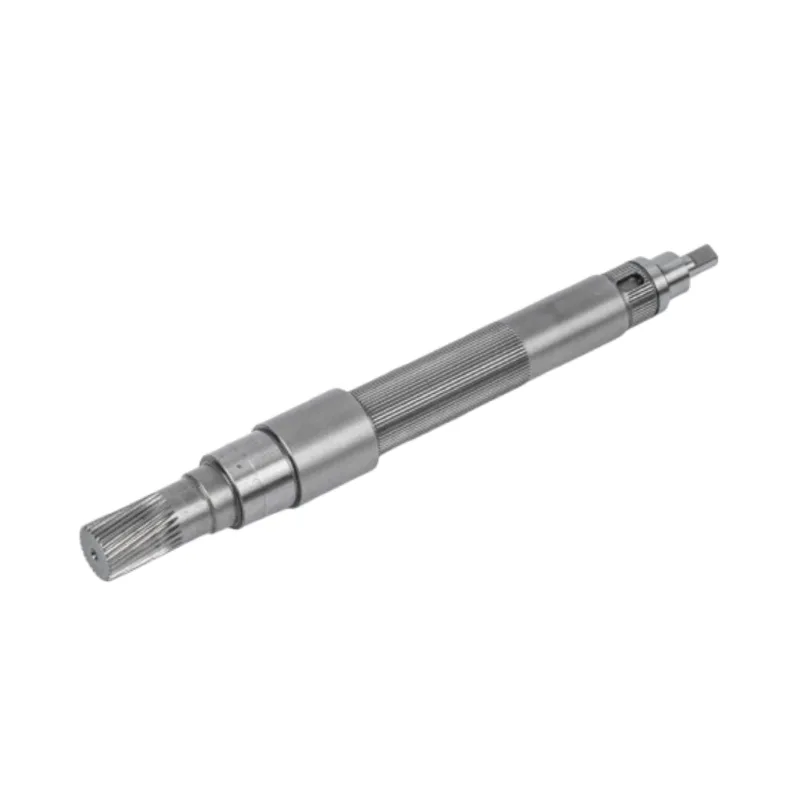
An EV rotor shaft rarely uses a plain key. The torque is too high and reverses too often. A key would hammer loose. Instead the shaft ends in a spline, a ring of axial teeth that share the load across many contact faces.
The spline links the motor to the reduction gearbox. Because it carries peak torque under reversal, the spline teeth are a fatigue-critical feature. They are cut precisely, then often hardened, so they resist wear and fretting over the life of the car. A stepped body then locates the rotor stack, the bearings, and the seals at set points along the shaft.
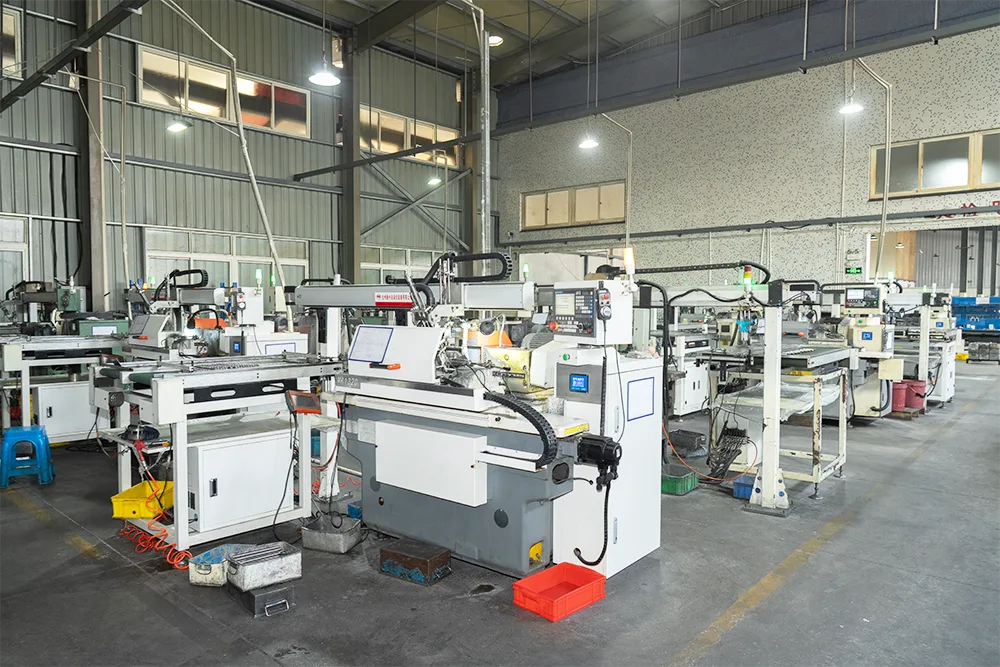
A cooled, splined, hollow rotor shaft is one of the more complex shafts to build. There are two broad routes.
The first route machines the shaft from solid bar, then bores the center. This is flexible and suits varied and lower volumes. The second route joins two formed halves, often by friction welding, to create the hollow form with less machining. Guanshuo uses friction welding on stainless steel shafts, which lets two sections become one strong part.
Whichever route is used, the finishing sequence is what protects accuracy:
An EV shaft spec needs more than a normal shaft spec. Give a manufacturer these points for an accurate quote.
If some of this is still open, share the motor's power and speed. A shaft maker with EV experience can propose sensible starting specs and refine them with your team.
Guanshuo Precision machines hollow, splined, and cooled rotor shafts for new energy vehicle and automation drives. Send your torque, speed, and bore requirements for a quote.
Request a Quote Or reach the team on the contact page.