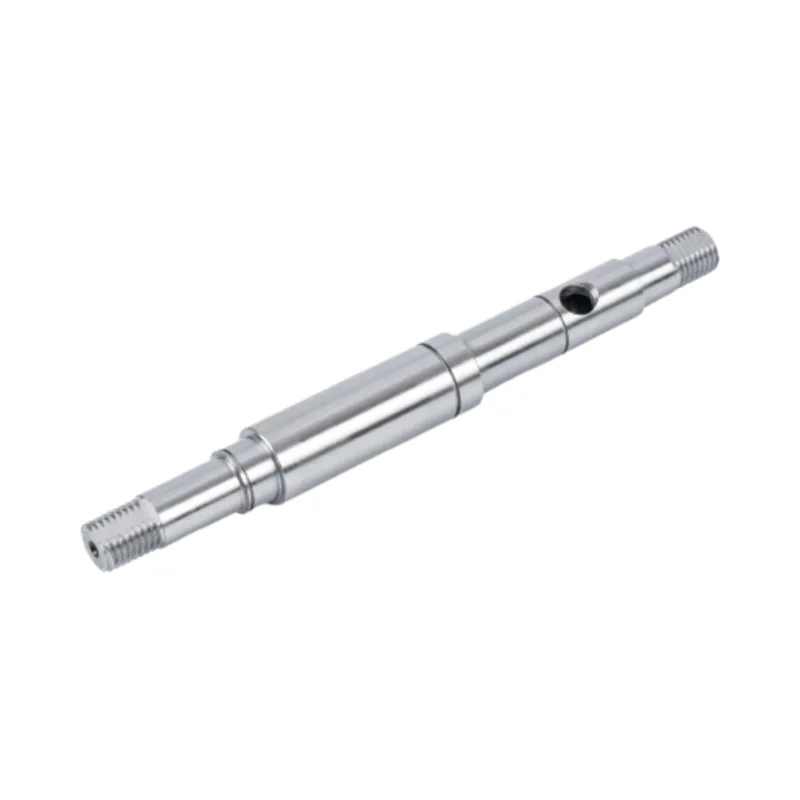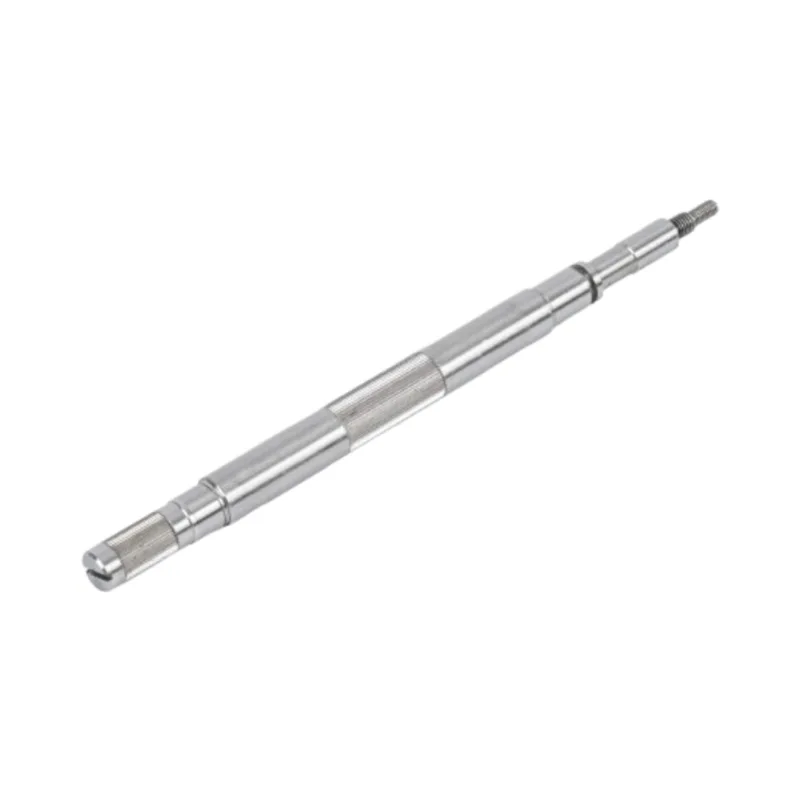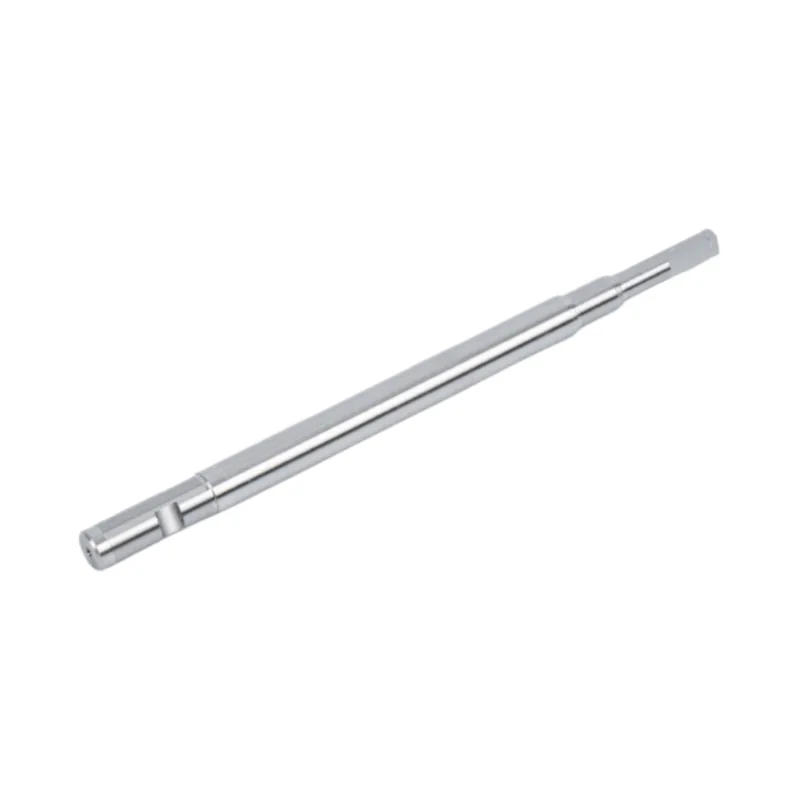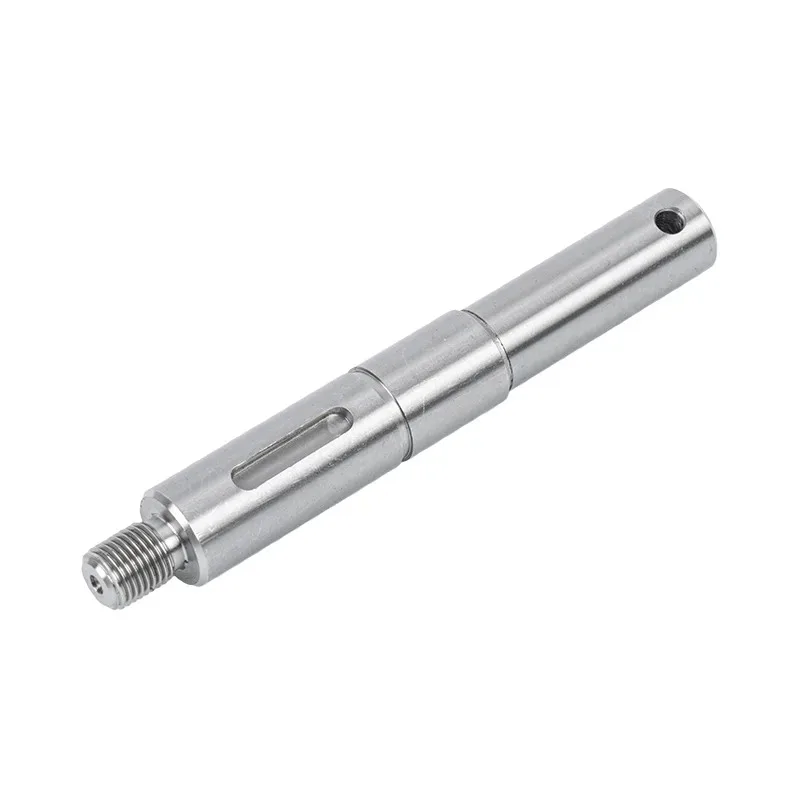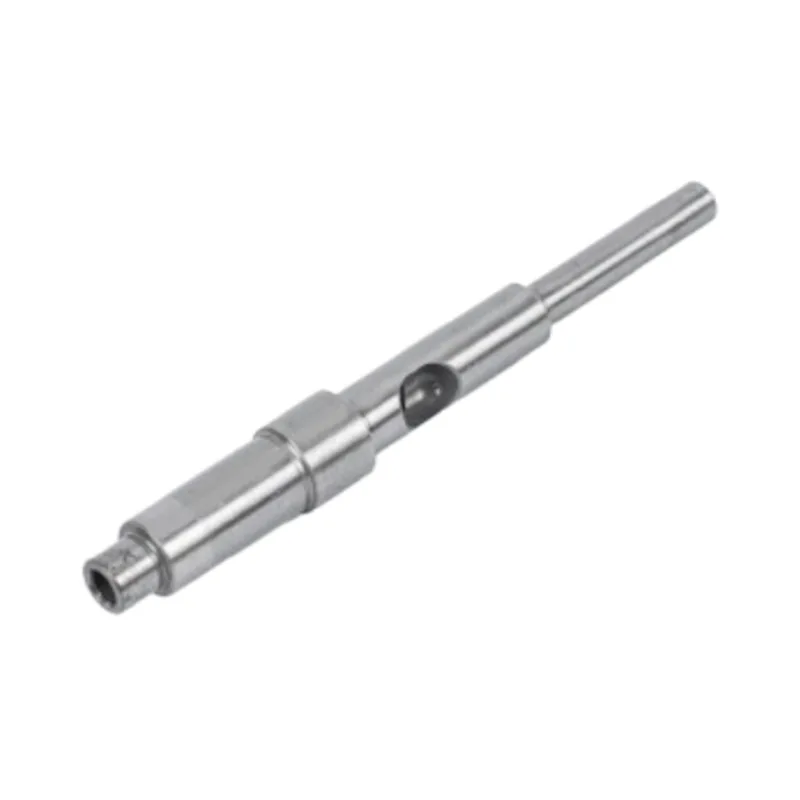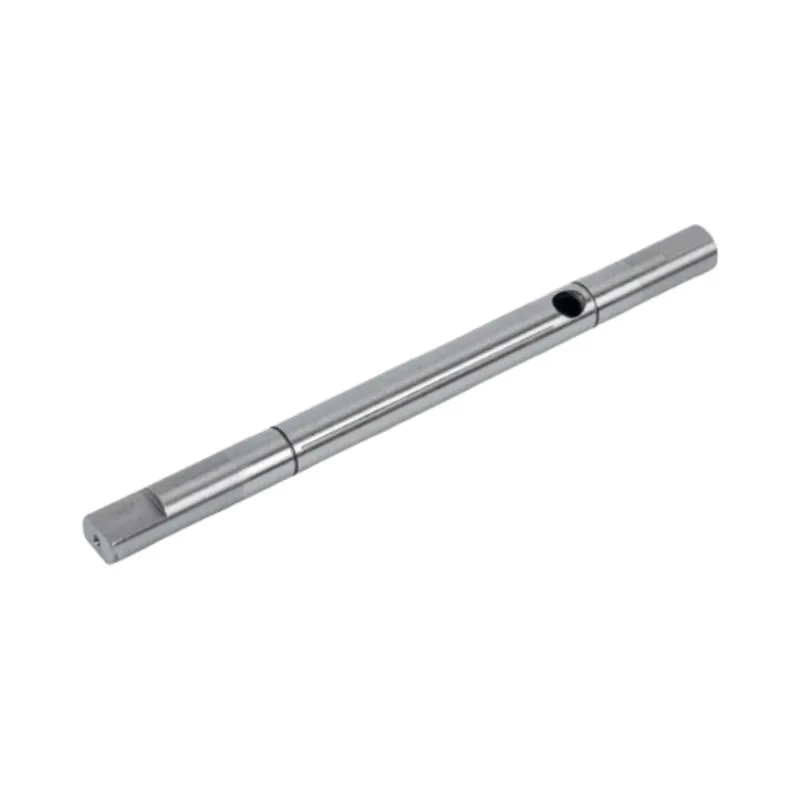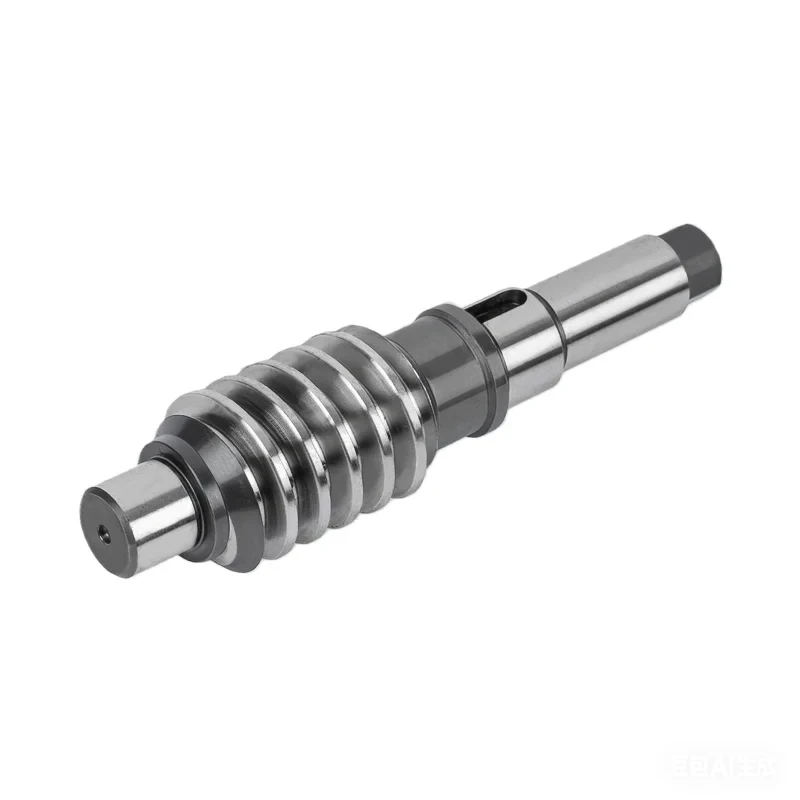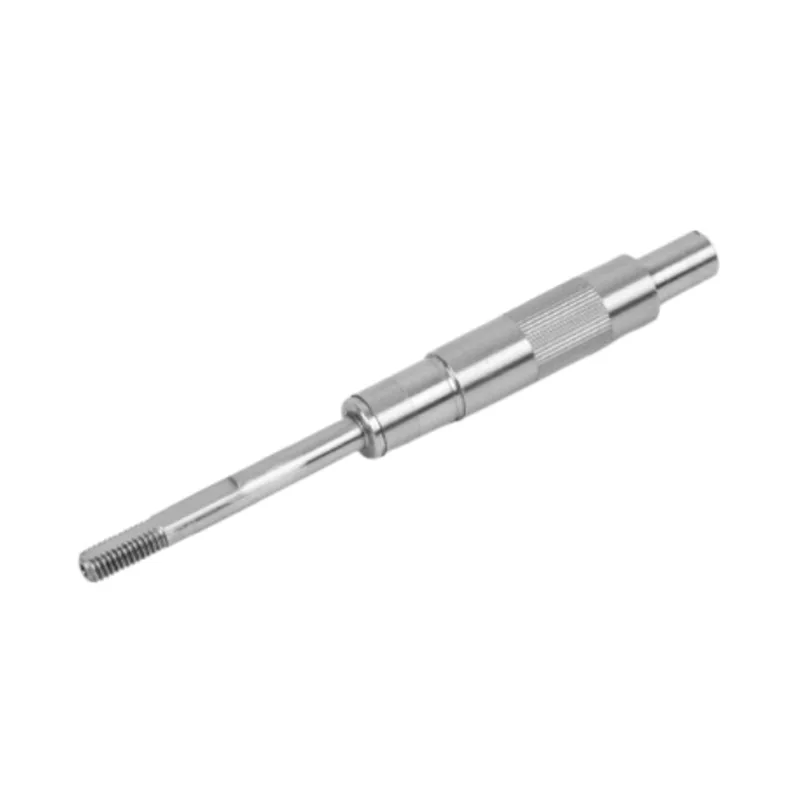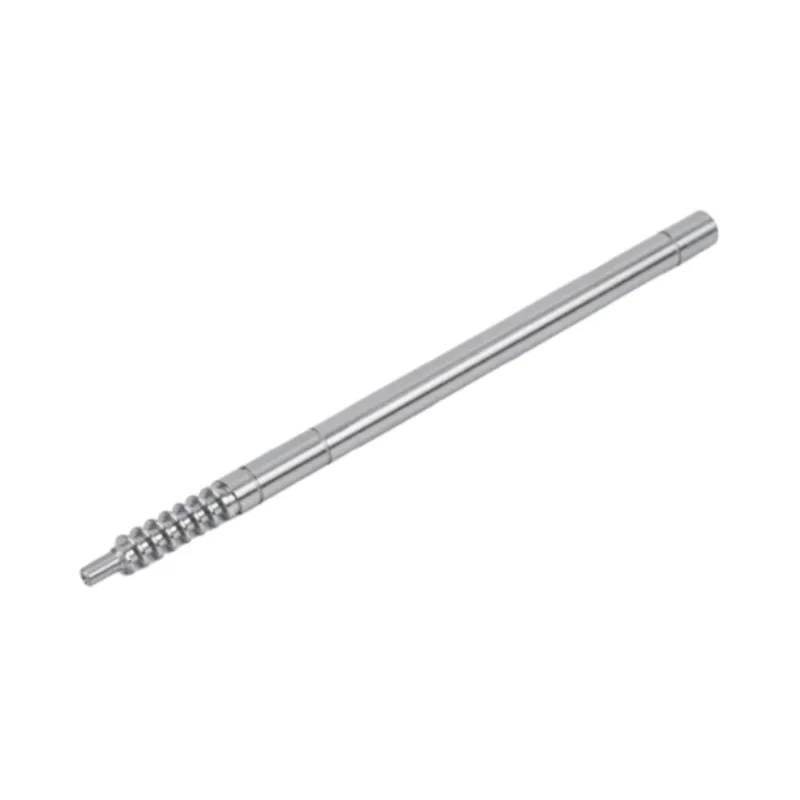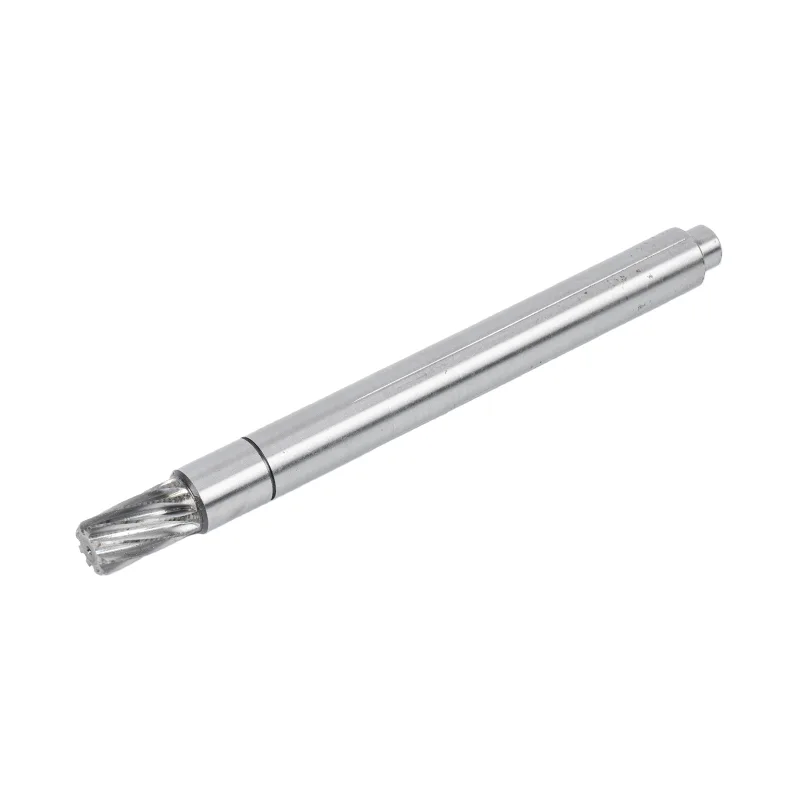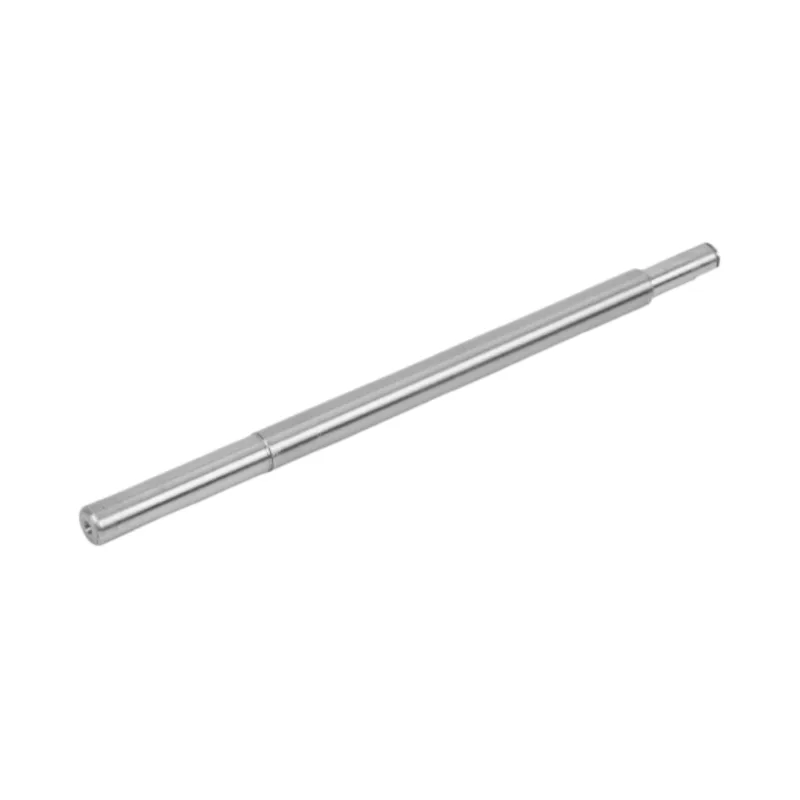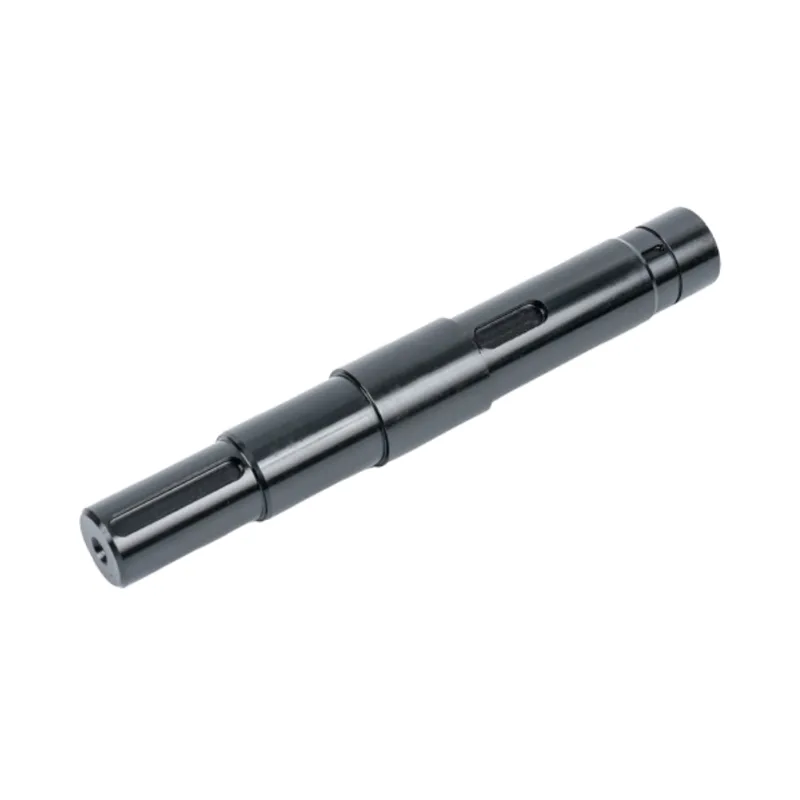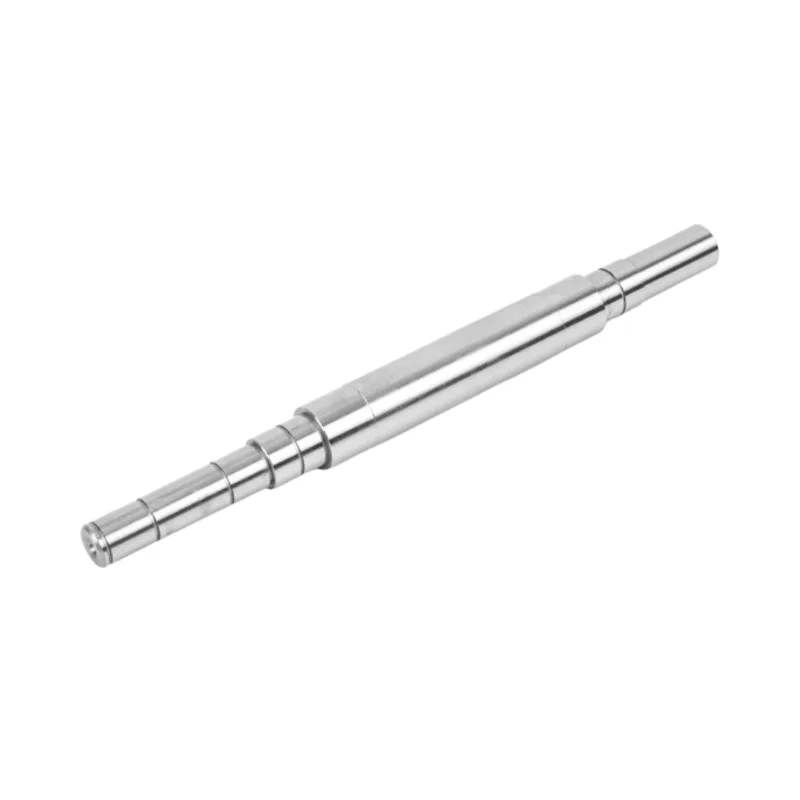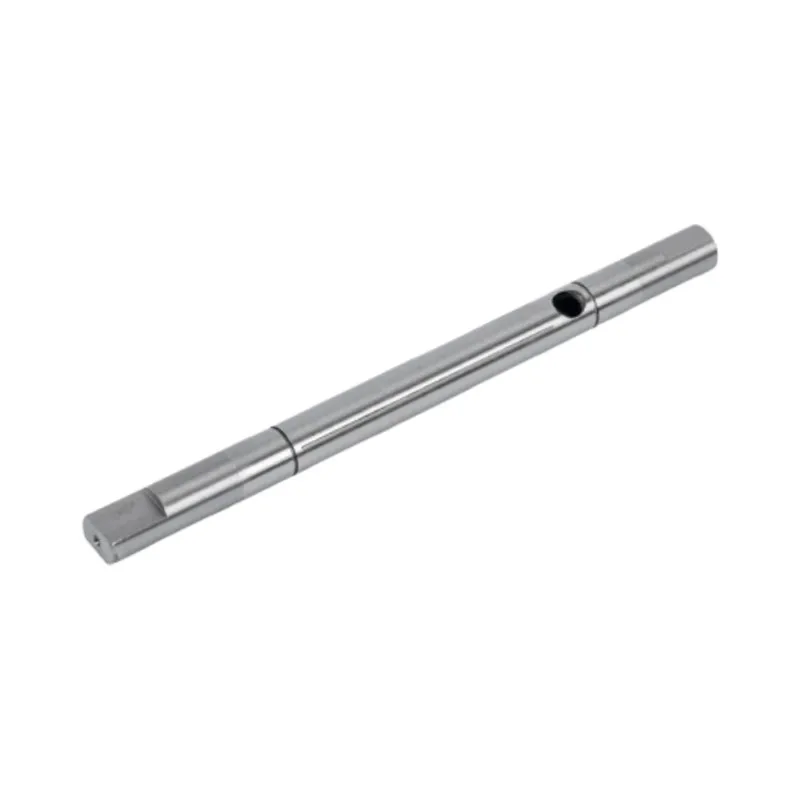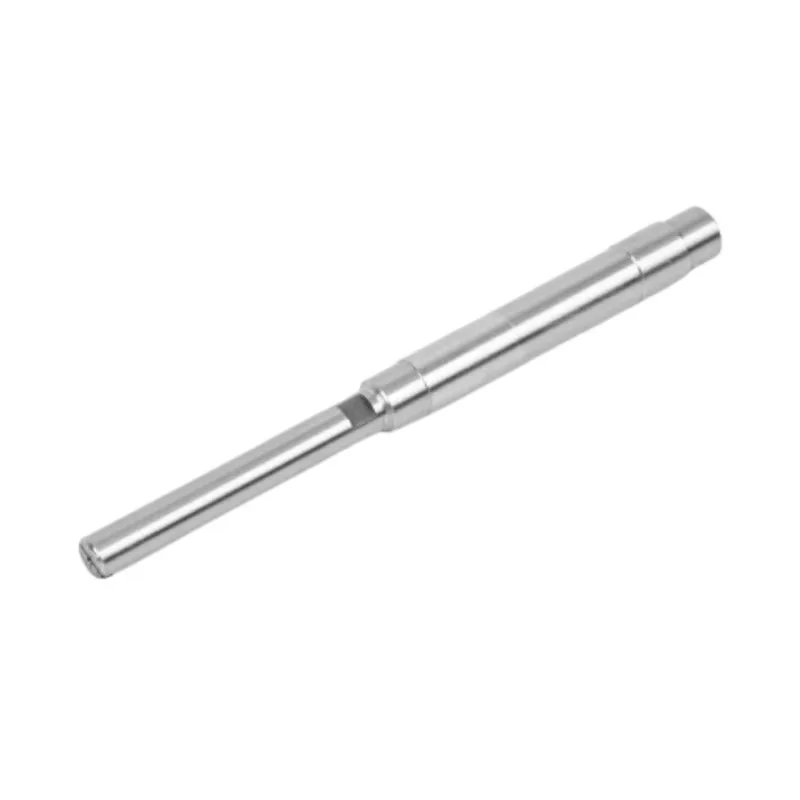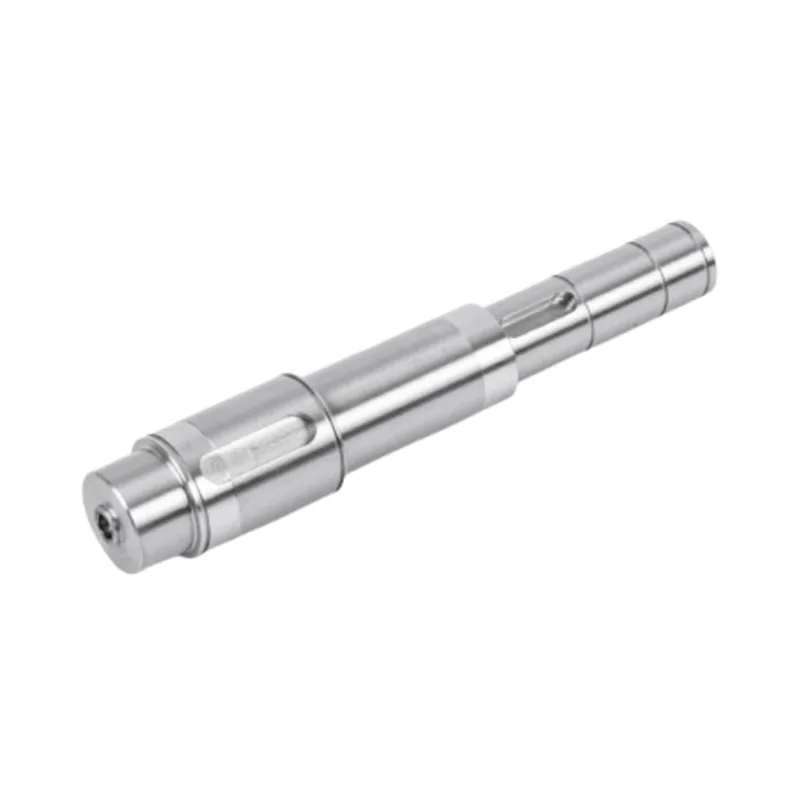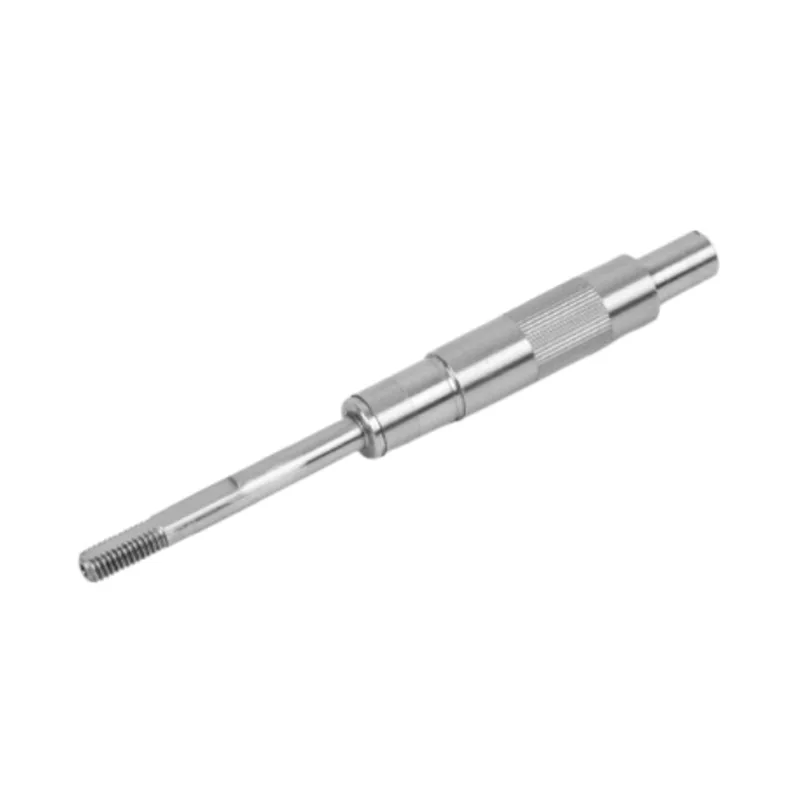

The short answer: boring a shaft removes far more weight than strength. Take out a bore half the outside diameter and you lose a quarter of the weight but only about six percent of the torsional stiffness. That trade is why hollow shafts exist, and understanding it is how you decide.
Choosing between a solid motor shaft and a hollow motor shaft is usually framed as strong versus light. That framing is wrong, and it leads people to over-build. The real trade is between manufacturing cost on one side and weight, inertia and function on the other. Strength barely enters it, once you look at the numbers.
Torsional stiffness comes from the outer material. The steel near the centre of a shaft contributes almost nothing to resisting twist, because it sits at a tiny radius. But it still weighs what it weighs. Remove it and you shed mass while keeping nearly all the strength.
The effect is not linear, and that surprises people. Stiffness falls with the fourth power of the bore diameter, while weight falls with the second power. So a modest bore is almost free.
| Bore, as a share of outside diameter | Weight removed | Torsional stiffness lost |
|---|---|---|
| 40 percent | 16 percent | About 2.6 percent |
| 50 percent | 25 percent | About 6.3 percent |
| 60 percent | 36 percent | About 13 percent |
| 70 percent | 49 percent | About 24 percent |
| Geometry only, for a uniform round section. Real shafts also have steps, splines and stress raisers that shift the picture. | ||
Read the 50 percent row again. A quarter of the mass gone, and the shaft is still 94 percent as stiff in torsion. For a motor that accelerates and decelerates constantly, that is a very good deal, because the mass you removed was rotating mass.
Bending is a different story from torsion, and so is buckling. A thin wall can also go local, dent, or collapse at a press fit. Past roughly 60 percent bore the returns fall away fast and the risks climb. This is why production hollow shafts sit in a sensible band rather than at the theoretical maximum.
Longer bar is better
Appliance motors, fans, pumps, conveyors and general industrial drives are almost all solid, and rightly so.
EV traction motors, robot joints, high-speed spindles and semiconductor equipment sit here. The EV rotor shaft guide covers that case in depth.
Hollow is not one thing. The bore geometry follows what the bore is for.
| Bore type | What it does | Typical use |
|---|---|---|
| Through-hole | Open end to end | Coolant flow, cable routing, a second concentric shaft |
| Blind hole | Bored from one end only | Weight reduction while keeping one end solid for a drive feature |
| Tapered bore | Cone-shaped internal seat | Locating and clamping a mating part inside the shaft |
The price gap between solid and hollow is not just one extra drilling operation. Four things get harder, and each one adds cost.
The bore has to be concentric with the outside. A bore that wanders leaves an uneven wall. Uneven wall means uneven mass, and uneven mass means the shaft will not balance. On a long shaft, holding that concentricity is the hard part of the job.
Deep bores are slow. Chip evacuation and tool deflection both get worse with depth. A deep, accurate bore is not a quick operation.
Thin walls move. A hollow part distorts more during heat treatment and clamps differently during grinding. It has to be held gently and ground carefully.
Balancing matters more. Because hollow shafts usually run in high-speed applications, they get balanced to a tighter grade, and that is an extra operation with its own inspection.
Ask how bore concentricity is held and verified, not just what the bore tolerance is. Any shop can drill a hole to size. Holding that hole true to the outside diameter along a 600 mm shaft is what separates a shaft manufacturer from a machine shop. The full process route is covered in the machining walkthrough.
Solid shafts run across the full range of drive features: smooth, keyway, splined and stepped, with working diameters to g6 or h6 and step face runout within 0.02 mm.
Hollow shafts are machined to these limits:
| Parameter | Range |
|---|---|
| Shaft outside diameter | φ8 to 130 mm |
| Bore diameter | 3 to 50 mm, customisable |
| Length | 100 to 2000 mm |
| Blind hole depth | 5 to 150 mm |
| Concentricity, TIR | ≤0.01 mm, typically 0.005 mm |
| Hardness | 28 to 58 HRC, typically 42 to 48 |
| Tensile strength | Not less than 600 MPa |
| Materials | 4140 and 4340 alloy, 303, 304 and 416 stainless |
Treating hollow as a strength downgrade. It is not, and the table above shows why. Rejecting a hollow shaft on strength grounds usually means paying for rotating mass the motor then has to accelerate all day.
Boring a shaft that had no reason to be bored. The opposite error. On a steady-speed appliance or pump motor, low inertia buys nothing. The bore adds cost and returns nothing, because the shaft never changes speed quickly enough to care.
Specifying the bore before the duty. A bore size copied from another design is a guess. The wall thickness should be set by the torque the shaft actually carries and by what has to fit inside, not by what a previous drawing happened to use.
If none of those settles it, default to solid. Hollow should win on a reason, not on preference.
Is a hollow shaft weaker than a solid shaft?
Only slightly, for the same outside diameter. A bore at half the outside diameter removes about 25 percent of the weight but only about 6 percent of the torsional stiffness, because the material near the centre contributes very little to resisting twist. Strength is rarely the reason to reject a hollow shaft.
Why is a hollow shaft more expensive?
The bore has to stay concentric with the outside along the whole length, deep boring is slow, thin walls distort more in heat treatment and grinding, and hollow shafts usually need tighter balancing. Those four factors, not the drilling itself, drive the price.
What is the difference between a through-hole and a blind-hole shaft?
A through-hole is open at both ends, so coolant, cable or another shaft can pass right through. A blind hole is bored from one end only, which cuts weight while leaving the other end solid for a keyway, spline or thread.
How large can the bore be?
In practice, up to roughly 60 percent of the outside diameter for most motor shafts. Beyond that, stiffness loss accelerates and the thin wall becomes vulnerable at press fits and during heat treatment. Guanshuo machines bores from 3 to 50 mm in shafts from φ8 to 130 mm.
Send the duty and what has to pass through the shaft, if anything. Guanshuo builds both solid and hollow shafts in-house, and will advise which one your application actually justifies.
Request a Quote Or reach the team on the contact page.