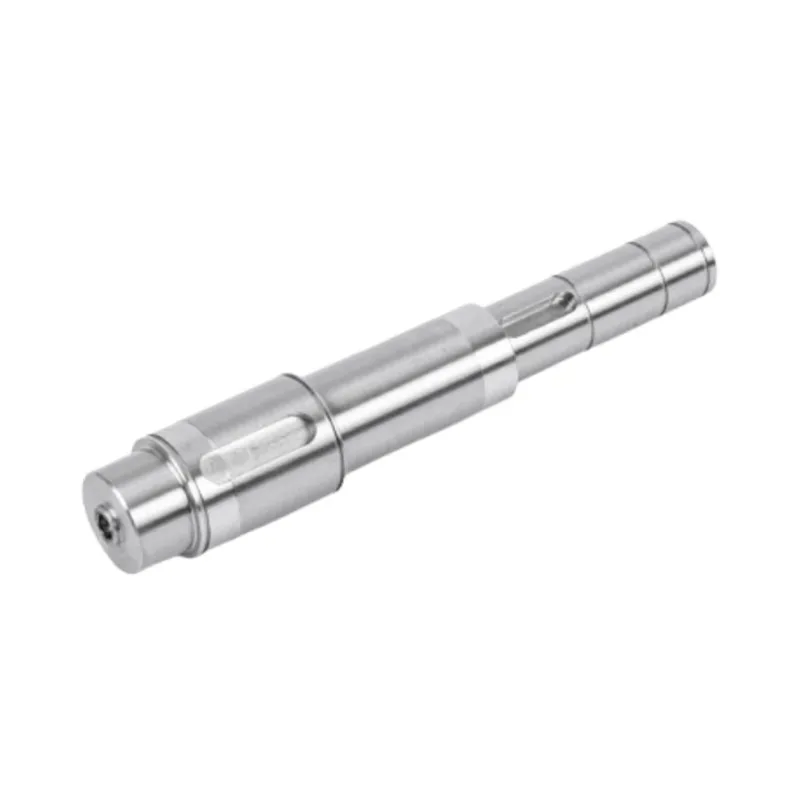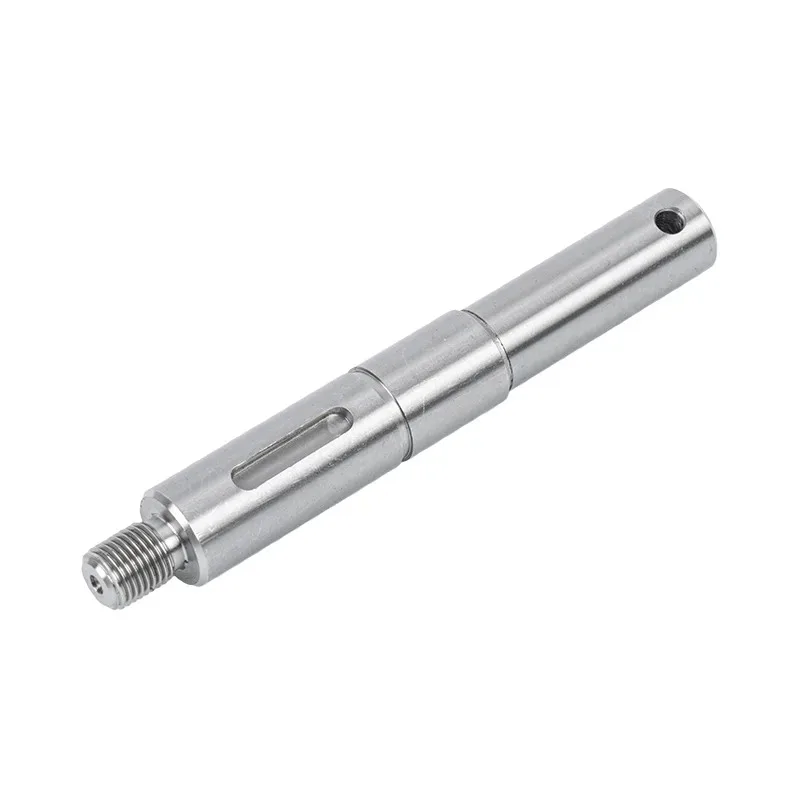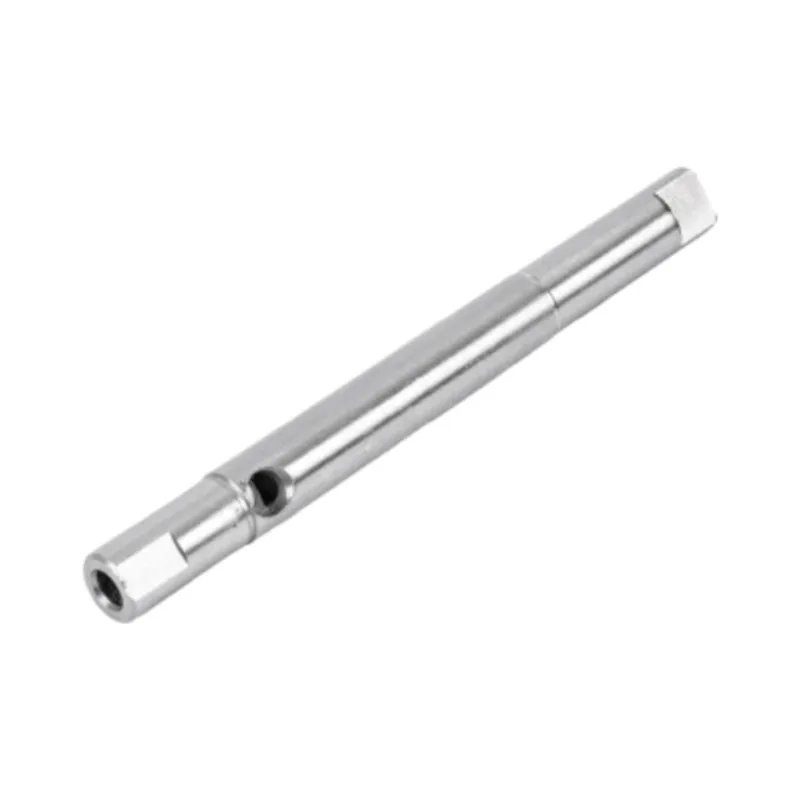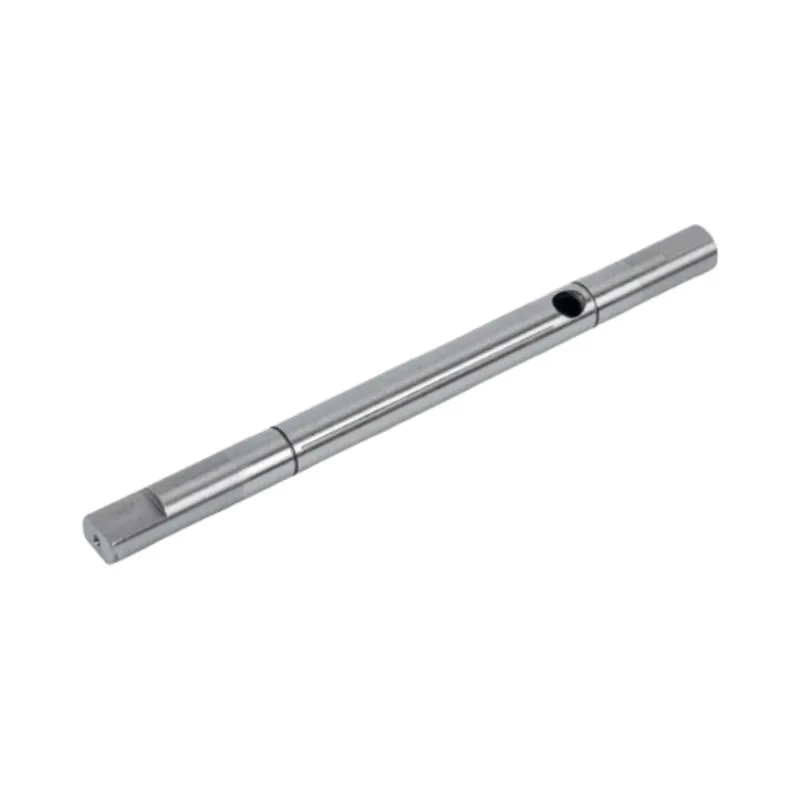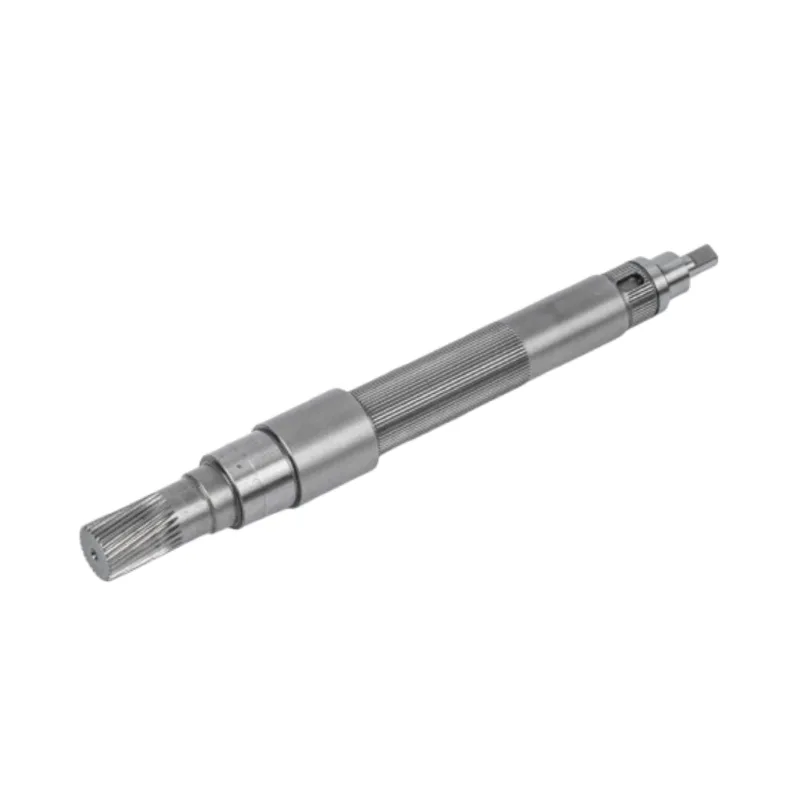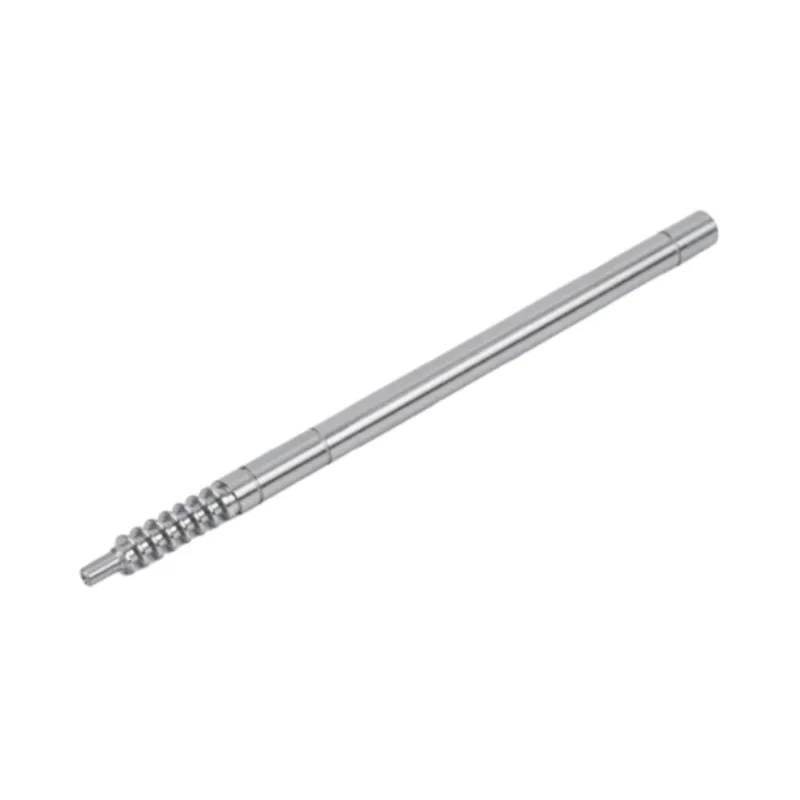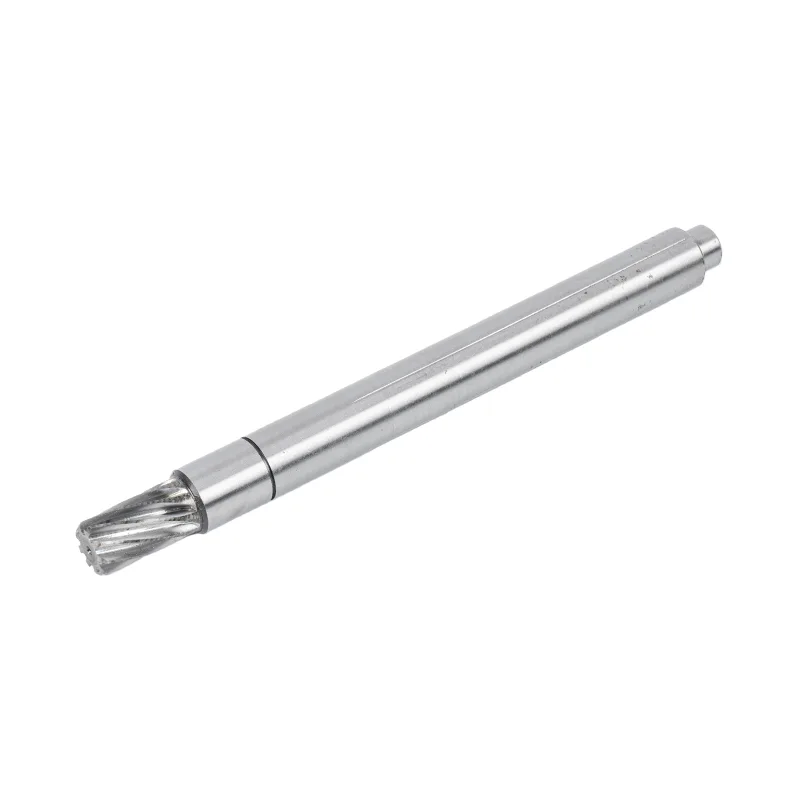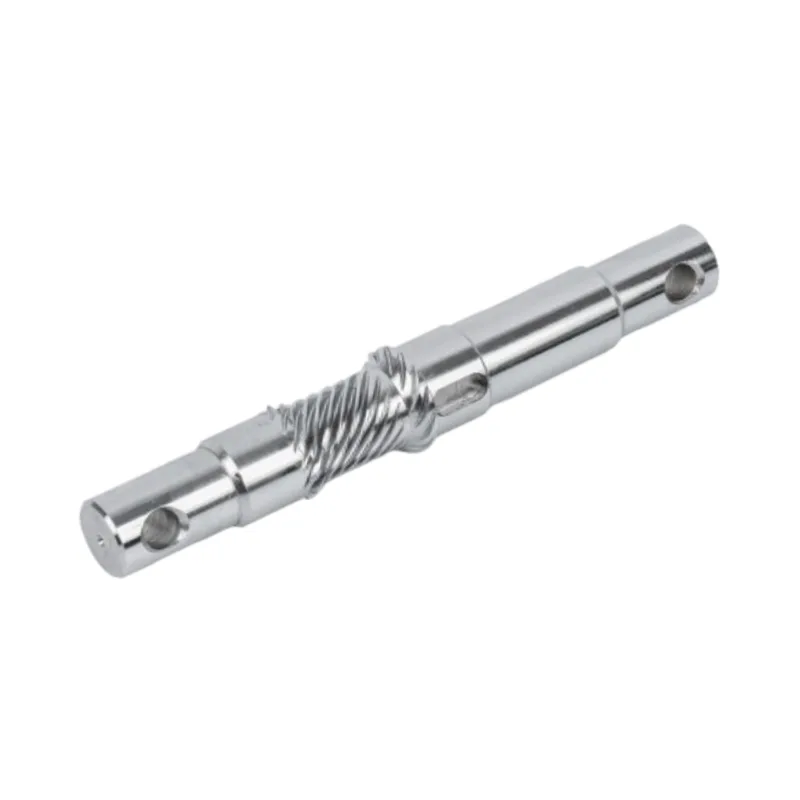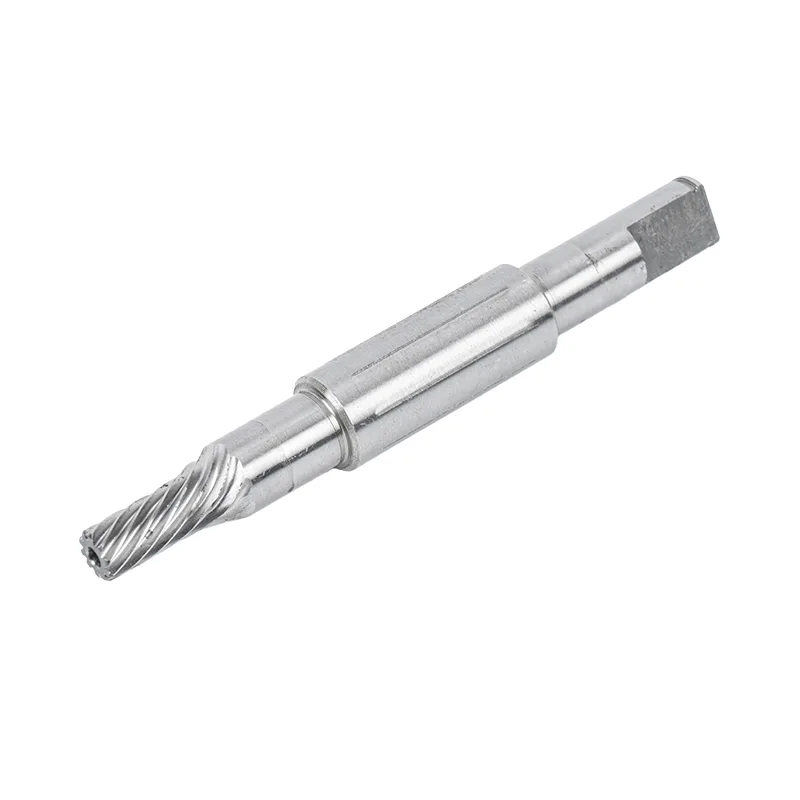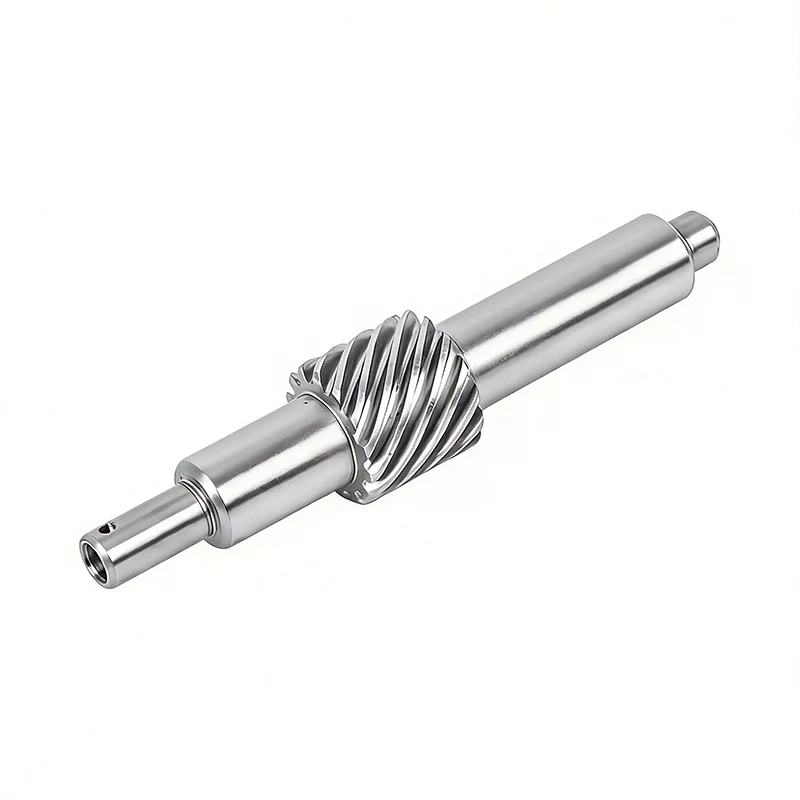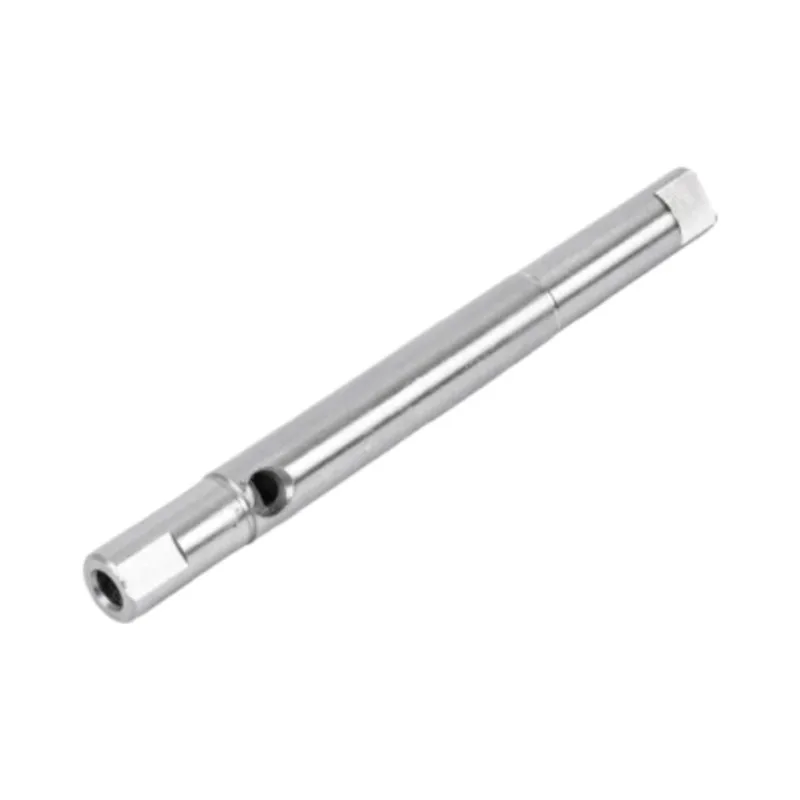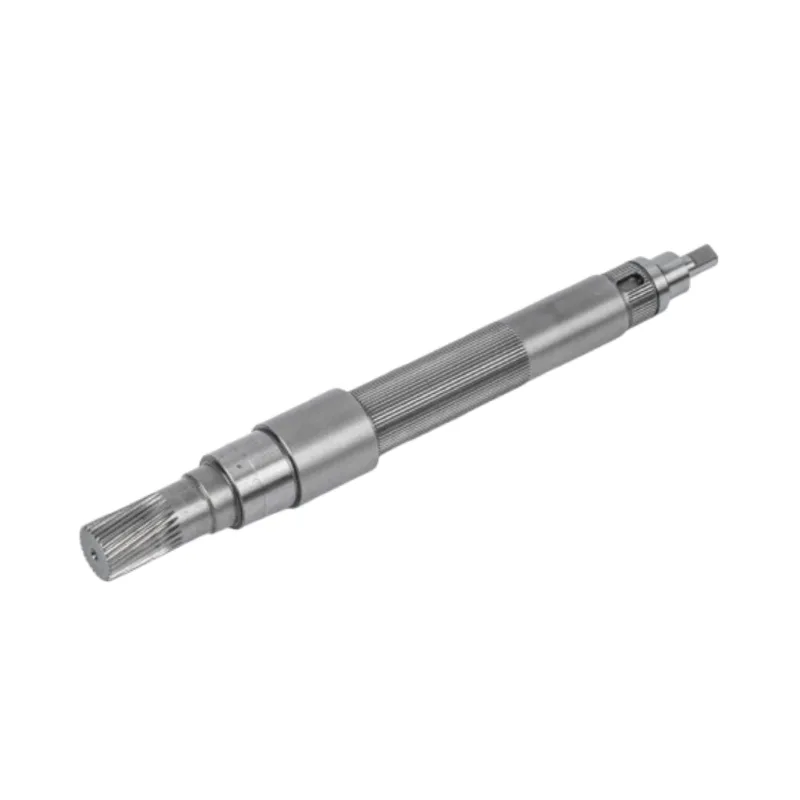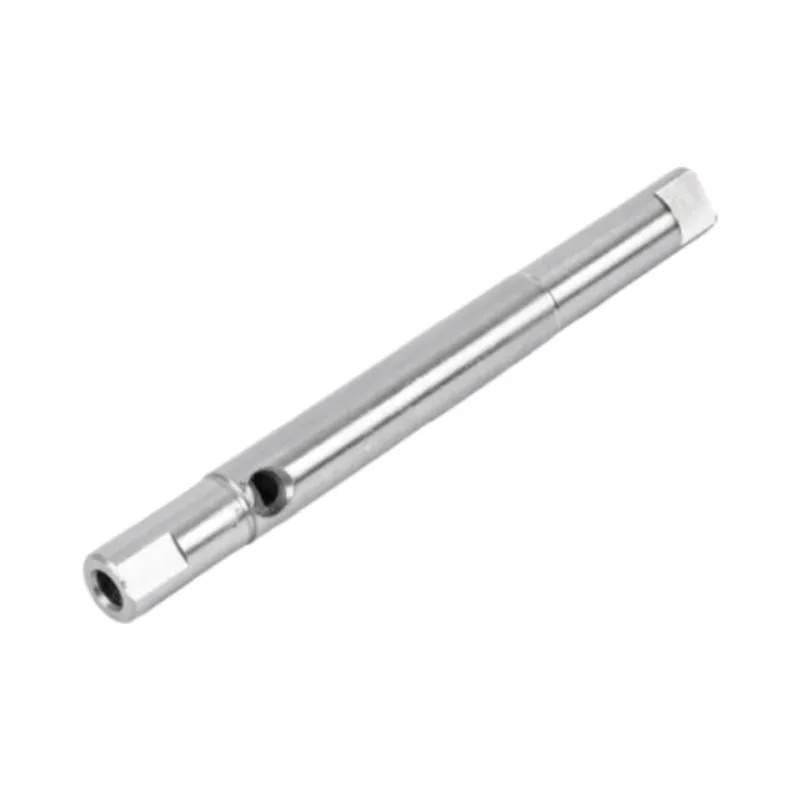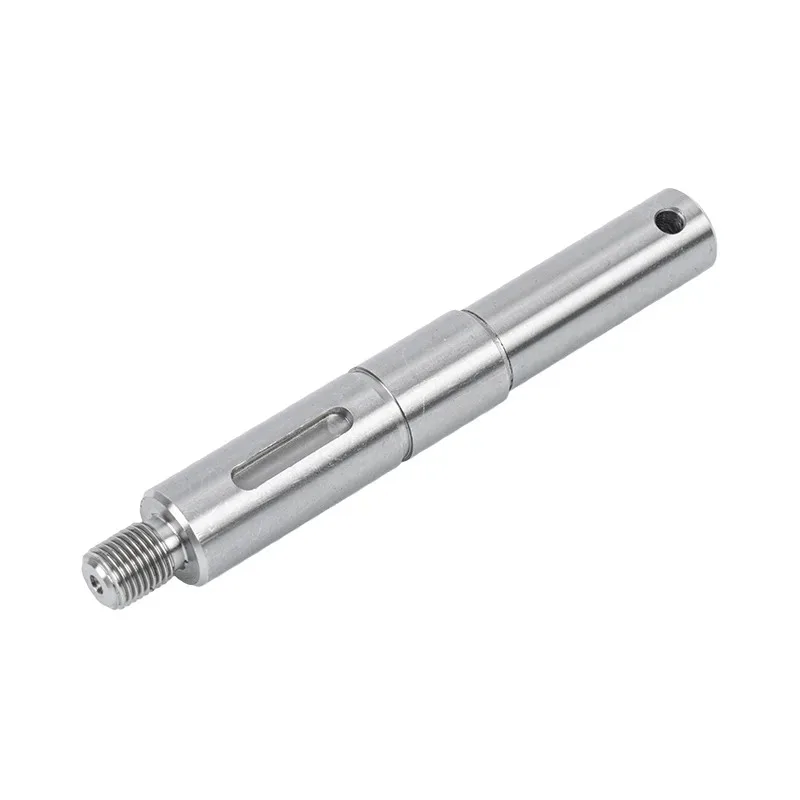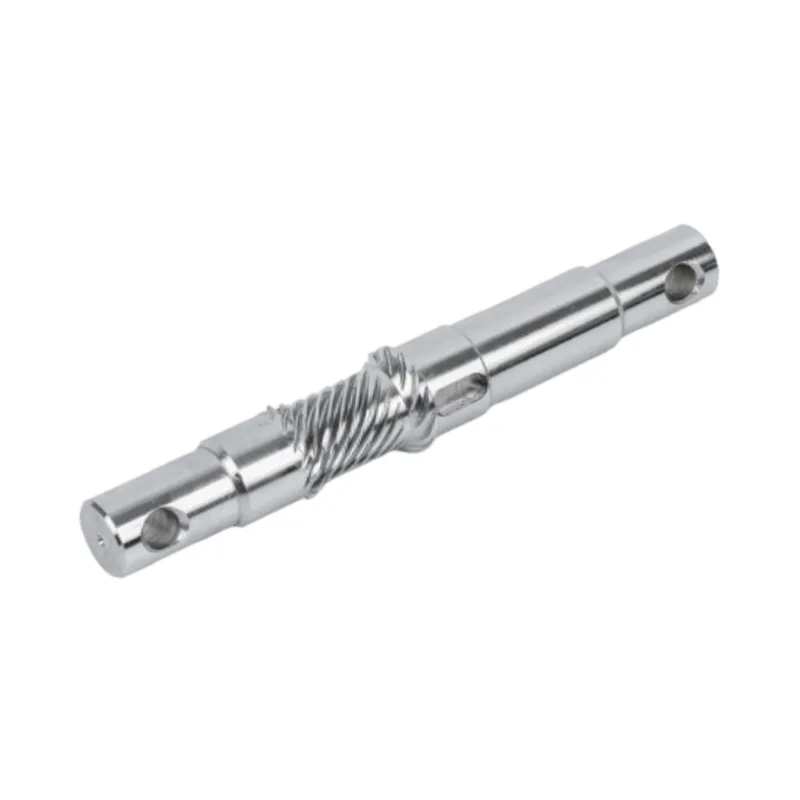
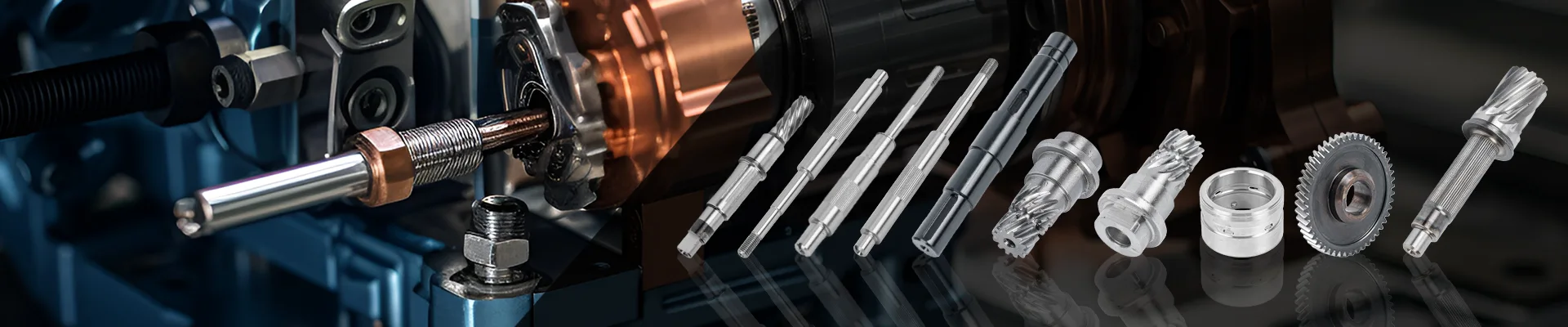
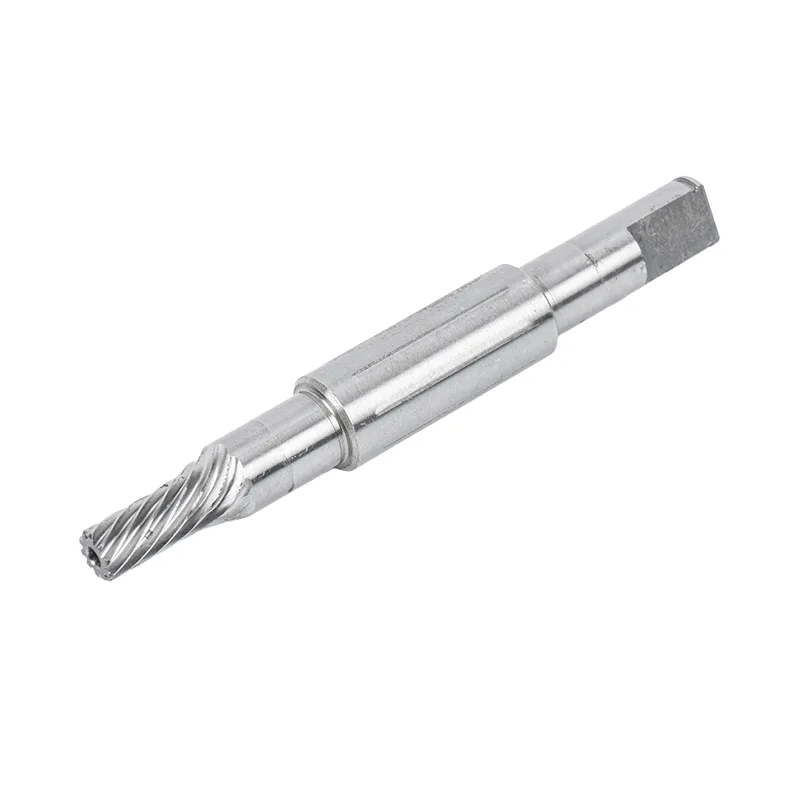
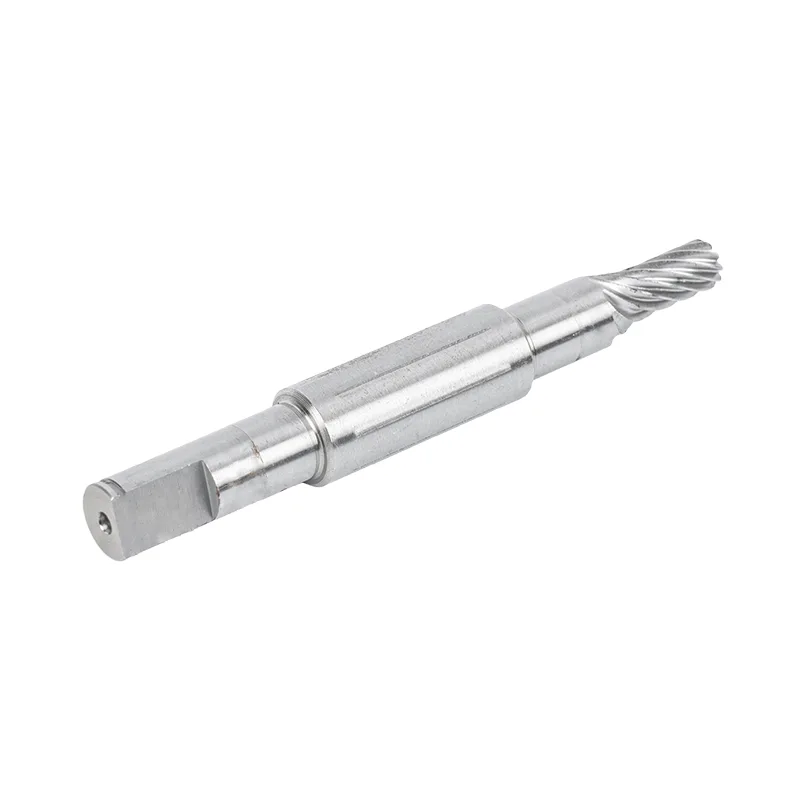
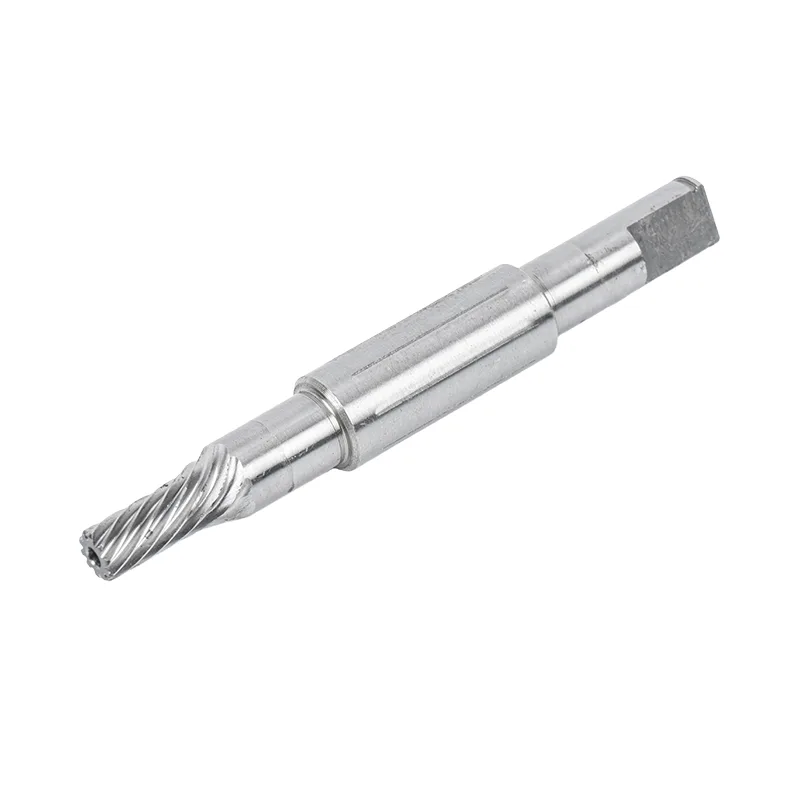
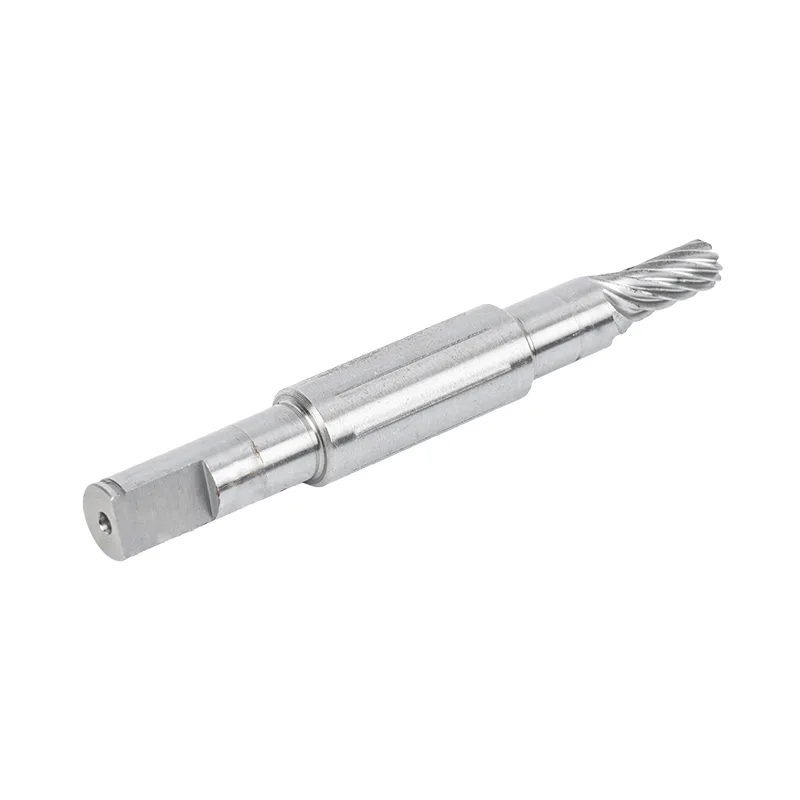
Guanshuo, as a professional China supplier of hard alloy motor shafts with over a decade of precision processing technology accumulation, adopts tungsten steel and hard alloy base materials to create Hard Alloy Motor Shaft with ultra-high hardness and exceptional wear resistance. Combining excellent dimensional stability, corrosion resistance and fatigue resistance, with coaxiality, roundness and flatness all reaching micron-level precision, it directly addresses the procurement pain points under high-wear and high-frequency working conditions, providing long-term reliable transmission solutions for high-end precision equipment.
Hard alloy, also known as tungsten steel, is a high-performance engineering material mainly composed of tungsten carbide and manufactured through powder metallurgy sintering process. It far surpasses traditional steel in hardness, wear resistance and thermal stability. Its unique material properties are mainly reflected in three dimensions:
1. Ultra-high Hardness Grade
Material hardness can reach HRA89-93, much higher than ordinary steel and chrome-plated surface hardness. The surface has extremely strong scratch and wear resistance, with almost negligible wear amount under high-wear working conditions, making it the best choice for extreme wear scenarios.
2. Low Thermal Expansion Coefficient
Hard alloy has an extremely low thermal expansion coefficient combined with exceptional rigidity. It barely deforms under high-speed operation and heavy load conditions, maintaining stable accuracy without degradation during long-term operation, meeting the strict precision retention requirements of precision spindles and high-speed motor procurement.
3. Stable Chemical Performance
The material possesses excellent acid and alkali resistance, oxidation resistance and alternating load resistance with good chemical stability. It maintains reliable performance under corrosive media and long-term continuous operation conditions, meeting equipment reliability standards in harsh environments.
In summary, hard alloy material fundamentally breaks through the performance bottleneck of ordinary steel, achieving magnitude-level improvements in hardness, wear resistance and thermal stability. It is the preferred material solution for high-demand transmission scenarios.
| Parameter | Value | Parameter | Value |
|---|---|---|---|
| Surface Roughness | Ra0.05~Ra0.2 | Hardness | HRA 89~93 |
| Density | 14.5~15.0 g/cm³ | Dynamic Balance Grade | G0.4~G1.0 |
Compared with conventional solutions such as ordinary steel shafts, blackened shafts and chrome-plated shafts, hard alloy motor shafts achieve significant improvements in multiple core performance dimensions. The comparison of various solutions is as follows:
| Performance Dimension | Ordinary Steel Shaft | Blackened Motor Shaft | Chrome Plated Motor Shaft | Hard Alloy Motor Shaft |
|---|---|---|---|---|
| Surface Hardness | HRC28-32 | HRC28-32 | HV800-1000 | HRA89-93 |
| Wear Resistance | Average | Average | Good | Excellent |
| Service Life | Baseline | Similar | 2-3 times | More than doubled |
| Dimensional Stability | Average | Average | Relatively Good | Excellent |
| Anti-corrosion | Poor | Basic | Good | Excellent |
| Surface Roughness | Ra1.6-3.2 | Ra0.8-1.6 | Ra0.05-0.2 | Ra0.05-0.2 |
| Dynamic Balance Grade | G6.3/G2.5 | G6.3/G2.5 | G2.5 and above | G0.4-G1.0 |
| Procurement Cost | Low | Relatively Low | Medium | Relatively High |
| Comprehensive Use Cost | High (frequent replacement) | High | Medium | Low (long service life) |
From the comparison, it can be seen that although hard alloy motor shafts have higher initial procurement costs, their comprehensive life-cycle use cost is actually superior due to ultra-long service life and extremely low maintenance frequency. They are especially suitable for high-end application scenarios with high equipment reliability requirements and significant downtime losses.
The characteristics of good rigidity and low deformation of hard alloy material provide the foundation for ultra-high precision processing. Through multiple precision machining processes including precision grinding, wire cutting and engraving, Guanshuo can control multiple geometric tolerances at the micron level:
1. Micron-level Geometric Tolerances
Key geometric tolerances such as coaxiality, roundness and flatness can all reach micron-level precision, meeting the strict tolerance requirements of high-end precision equipment procurement and ensuring operation accuracy and concentricity after equipment assembly.
2. High Finish Low Friction
The surface can achieve mirror polishing effect with roughness reaching Ra0.05-0.2. High surface finish and low friction coefficient result in less wear and heat generation during high-speed operation, which is a key performance indicator for high-speed precision transmission procurement.
3. High-precision Dynamic Balance
Dynamic balance grade can reach G0.4-G1.0, much higher than the G2.5-G6.3 grade of ordinary motor shafts. Vibration is extremely small during high-speed rotation with stable operation, effectively reducing overall equipment noise and vibration levels.
The high precision performance combined with the material's inherent dimensional stability ensures that equipment accuracy remains consistent during long-term high-speed operation without precision degradation caused by wear or thermal deformation, greatly extending the equipment's accuracy retention period.
Hard alloy motor shafts are specifically designed for high-demand, high-load extreme working conditions, capable of solving various application pain points that ordinary motor shafts struggle with. They mainly adapt to the following five typical scenarios:
1. High-wear High-frequency Conditions
Equipment scenarios with long-time continuous operation, high-frequency start-stop and severe mating surface wear, where ordinary steel or chrome-plated shafts wear too fast and require frequent replacement. Hard alloy shafts with ultra-long wear life can significantly reduce downtime replacement frequency.
2. High-speed Precision Transmission
Scenarios with extremely high requirements for operation accuracy and stability, such as high-speed spindles, precision servo systems and high-precision transmission mechanisms. Low thermal expansion and high rigidity ensure dimensional stability at high speeds, while G0.4-G1.0 dynamic balance ensures smooth operation.
3. Corrosive Medium Environments
Working conditions with acid-alkali media, oxidative corrosion and other harsh chemical environments. Hard alloy material has good chemical stability and strong acid-alkali corrosion resistance, capable of long-term reliable operation in environments where ordinary steel cannot survive.
4. Long-cycle Maintenance-free
Equipment deployed in remote locations, underwater, inside sealed cavities and other hard-to-maintain positions requiring long-term maintenance-free operation. Hard alloy shafts with long service life and stable performance can significantly reduce maintenance frequency and operation costs.
5. High-end Precision Equipment
Export-oriented high-end equipment, precision testing instruments, high-end automation equipment and other products with extremely high requirements for component quality and reliability. Hard alloy shafts can comprehensively improve equipment grade and reliability performance.
Although the unit price of hard alloy motor shafts is higher than conventional steel shafts, their comprehensive value advantage is very significant when calculated from the perspective of the equipment's entire life cycle, mainly reflected in three levels:
1. Procurement Cost Dimension
Although single-unit procurement cost is higher than ordinary solutions, the service life is more than doubled, reducing procurement quantity within the same cycle, and direct material cost does not increase proportionally. For high-wear working conditions, the cost savings from reduced replacement frequency are even more substantial.
2. Operation & Maintenance Cost Dimension
Long service life and non-degrading accuracy greatly reduce labor costs for downtime replacement and commissioning calibration, as well as spare parts inventory costs. Especially for continuous production enterprises, the production capacity loss caused by unexpected downtime far exceeds the procurement cost of the shaft itself, and the indirect value brought by high reliability is enormous.
3. Product Value Dimension
Application in high-end equipment can significantly improve overall machine performance grade and reliability reputation, enhance the market competitiveness and premium capability of end products, helping equipment manufacturers establish differentiated competitive advantages in the high-end market.
Overall, the motor shafts are typical high-performance components featuring "one-time investment, long-term benefits". For mid-to-high-end customers pursuing long-term stable equipment operation and valuing comprehensive cost control, they are a cost-effective and wise choice.
As a national-level high-tech enterprise deeply engaged in the precision hardware field for over a decade, Guanshuo possesses a complete qualification certification system and profound technical patent accumulation, providing authoritative endorsement for the quality and reliability of hard alloy motor shafts. Core qualifications and certifications include:
1. ISO9001 Quality Management System Certification
The company has fully passed the ISO9001 international quality management system certification. The entire process from raw material procurement, production processing to finished product delivery is controlled according to the standardized system, ensuring stable and traceable product quality for every batch.
2. National-level High-tech Enterprise
Awarded as a national-level high-tech enterprise, its R&D capability and technological innovation level have received national authoritative recognition. Continuous investment in technology R&D and process optimization ensures product performance always remains at the industry's advanced level.
3. Eleven Patented Technologies
Holds a total of 11 utility model patents covering multiple core technologies including combined motor shaft structure, sealing performance motor shaft, easy-to-assemble motor shaft, bearing lubrication structure and motor fixing seat structure, with strong independent R&D strength.
4. Complete Testing Capability
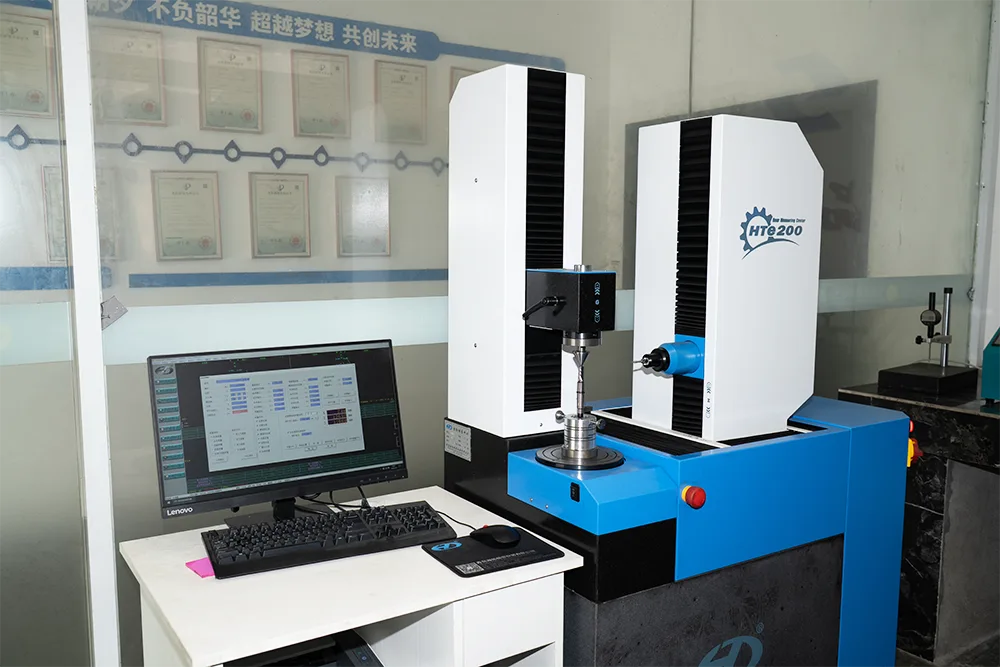
Equipped with professional testing equipment including hardness testers, two-dimensional projectors, surface roughness testers, gear testing centers and cylindricity gauges, capable of comprehensive and accurate testing of indicators such as hardness, geometric tolerances and surface quality of hard alloy shafts.
The complete qualification certification and technology patent system not only reflects Guanshuo's comprehensive strength, but also serves as a strong guarantee for the reliable quality of Hard Alloy Motor Shaft, giving customers greater confidence in procurement and use.
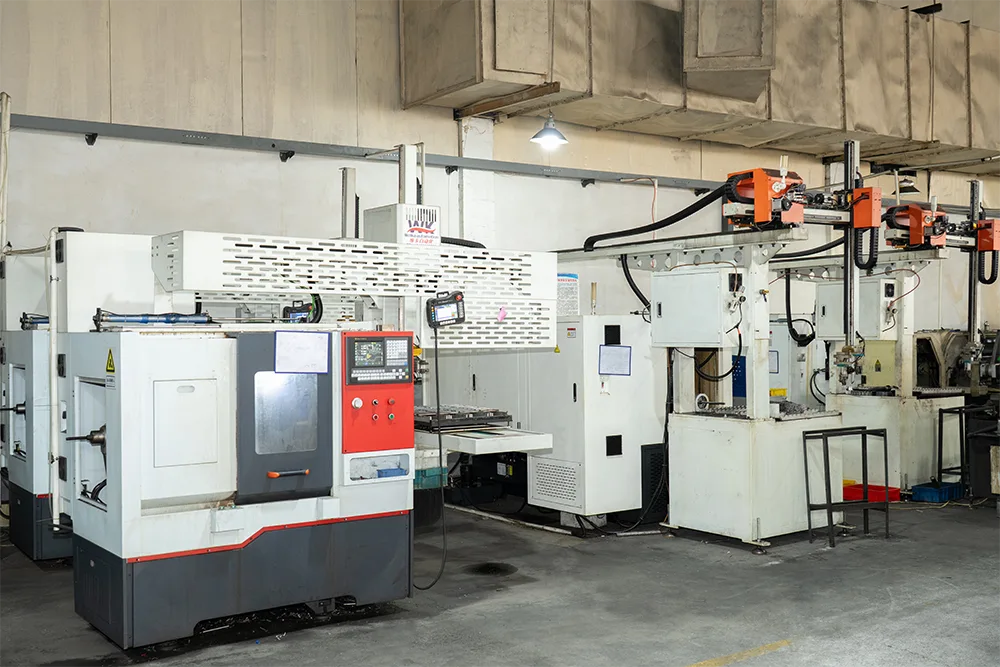
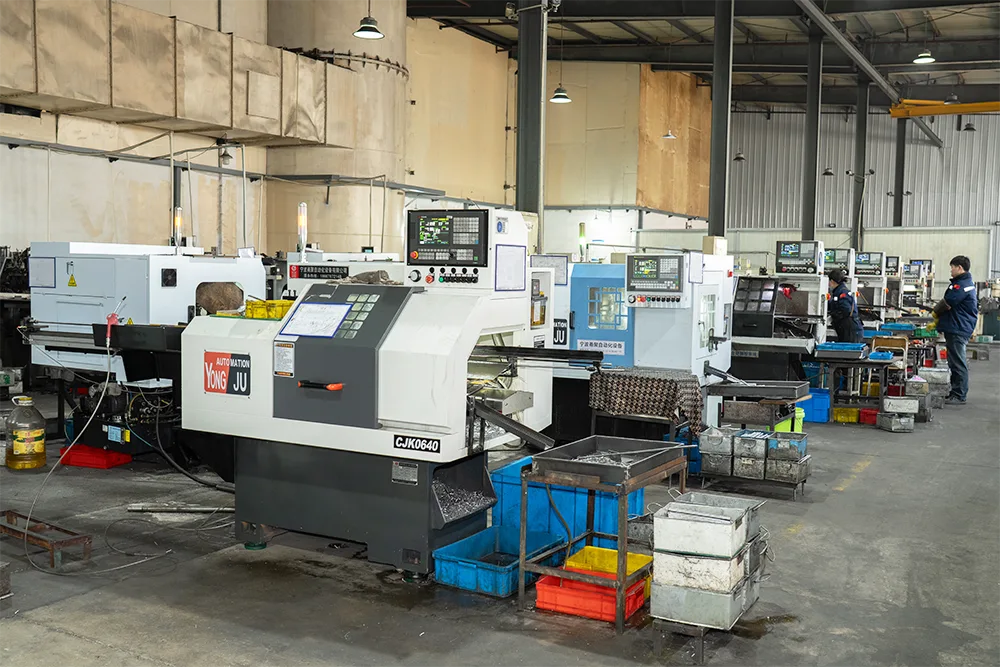
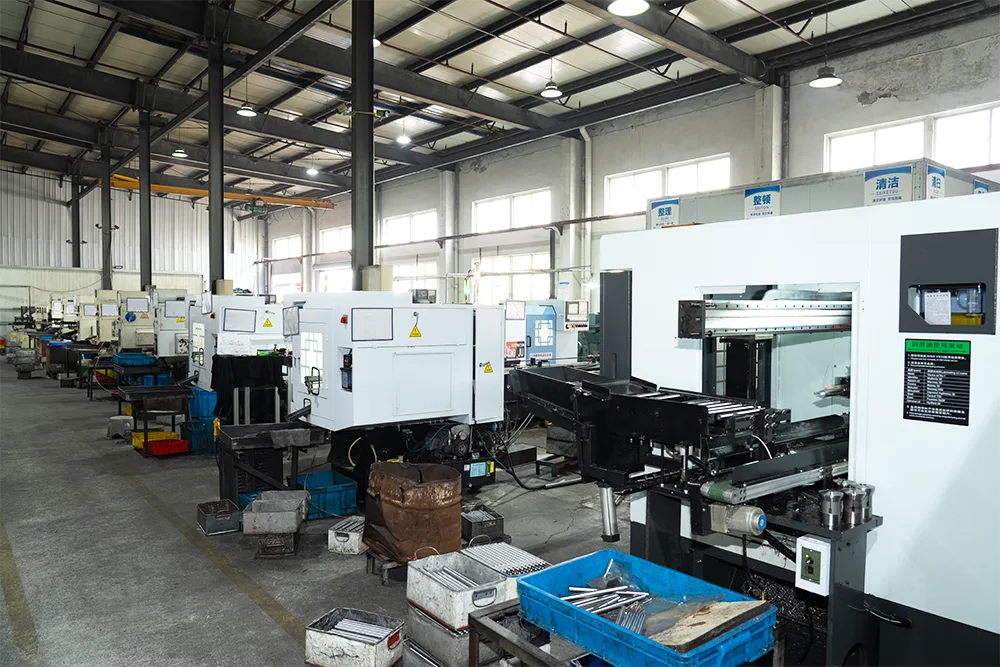
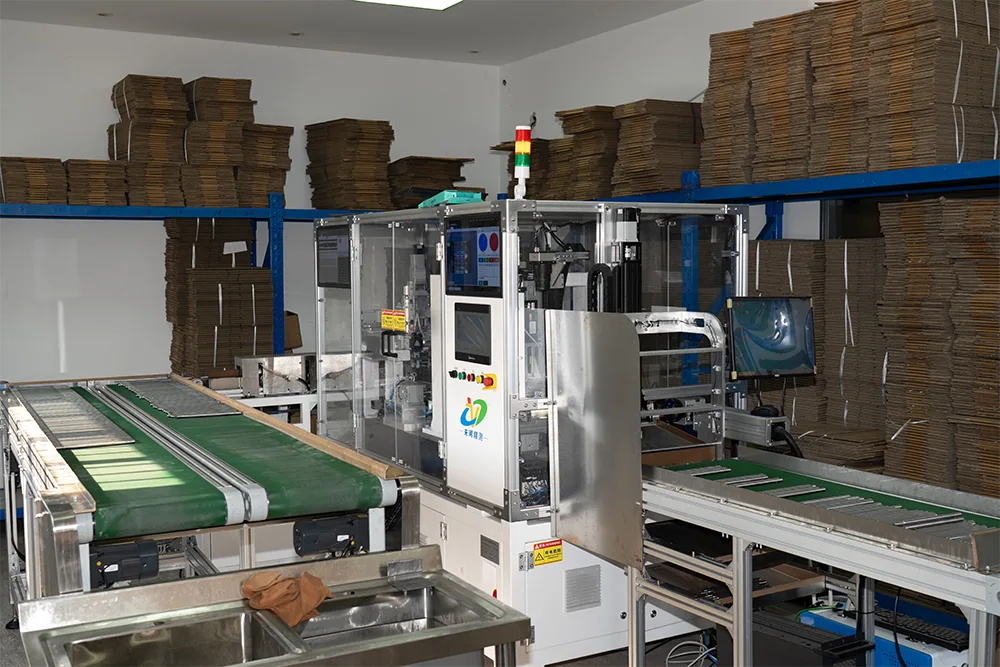
Guanshuo has established a full-cycle service system covering pre-sales, in-sales and after-sales stages, providing professional support to customers throughout the entire process from sample development to batch delivery and use maintenance. Core service contents include:
1. Pre-sales Sample Support
Provides technical parameter customization consultation, 3D drawing collaborative design verification, free sample testing and cost optimization suggestions, helping customers confirm selection and evaluate performance in the early stage of the project to reduce development risks.
2. Mass Production Progress Visualization
Implements full-process CNC quality traceability management during the mass production stage, providing 48-hour production progress visual feedback. Customers can grasp order production status in real time, facilitating production scheduling planning.
3. VMI Inventory Management
For long-term stable cooperative key customers, VMI vendor inventory management service is available with on-demand stocking and flexible delivery, reducing customer safety inventory pressure and capital occupation cost.
4. Emergency Order Response
Equipped with flexible production lines and emergency capacity reserves, capable of quickly responding to customers' urgent order needs and ensuring supply chain stability under special circumstances such as production capacity ramp-up and sudden supplementary orders.
5. After-sales Guarantee Commitment
Provides 24-month extended warranty service, with 48-hour on-site diagnosis response for global customer issues. It also offers free process upgrades and customer equipment wear database early warning maintenance, continuously safeguarding stable equipment operation.
A: Hard alloy, also known as tungsten steel, is a material mainly composed of tungsten carbide sintered through powder metallurgy. Its hardness can reach HRA89-93, much higher than ordinary steel. It also has a lower thermal expansion coefficient and stronger corrosion resistance, with significant performance advantages in high-wear and high-precision scenarios.
A: The hard alloy material itself costs much more than steel, and the processing is more difficult with higher technical requirements, resulting in higher unit price. However, the service life is several times that of ordinary steel shafts with greatly reduced replacement frequency. From a full life cycle perspective, the comprehensive use cost is actually lower.
A: Hard alloy has high hardness (HRA 89‑93) but lower toughness than steel. We do not recommend it for applications with repetitive heavy impact loads (>50J axial shock). For such cases, we offer a reinforced design with a damping buffer structure (model HS‑R) that absorbs shock while still using our hard alloy core. Contact our engineering team with your load data, and we will simulate the fatigue life for you.
A: Hard alloy density is approximately 14.5-15.0g/cm³, about twice that of steel. It weighs more under the same volume. Impact on rotational inertia should be considered during design and selection, and calculation is recommended for high-speed applications before finalization.
A: Hard alloy has extremely high hardness, and wear is minimal under normal working conditions, usually requiring no repair. In case of accidental damage, repair is difficult and costly. Direct replacement with a new shaft is generally recommended.
A: Custom production according to drawings is supported, including precision grinding, wire cutting, engraving and other processing. Providing 2D drawings or 3D models is sufficient. The engineering team will evaluate process feasibility and provide professional suggestions.
A: Ordinary motor shafts usually have G6.3 or G2.5 grades. G0.4-G1.0 belongs to the high-precision grade. The smaller the number, the higher the balance accuracy, with less vibration and smoother operation at high speeds. It is suitable for high-demand scenarios such as precision spindles and high-speed motors.
A: Mainly applicable to medium and high-end equipment with high wear, high precision, high speed or corrosion requirements, such as precision spindles, high-speed servo motors, automation precision equipment, corrosion environment dedicated motors, long-term maintenance-free equipment. Not recommended for ordinary general-purpose motors as the cost advantage is not obvious.
Address
Qingqing Road 268-1, Jiaochuan Sub-district, Zhenhai District, Ningbo City, Zhejiang Province, China
Tel