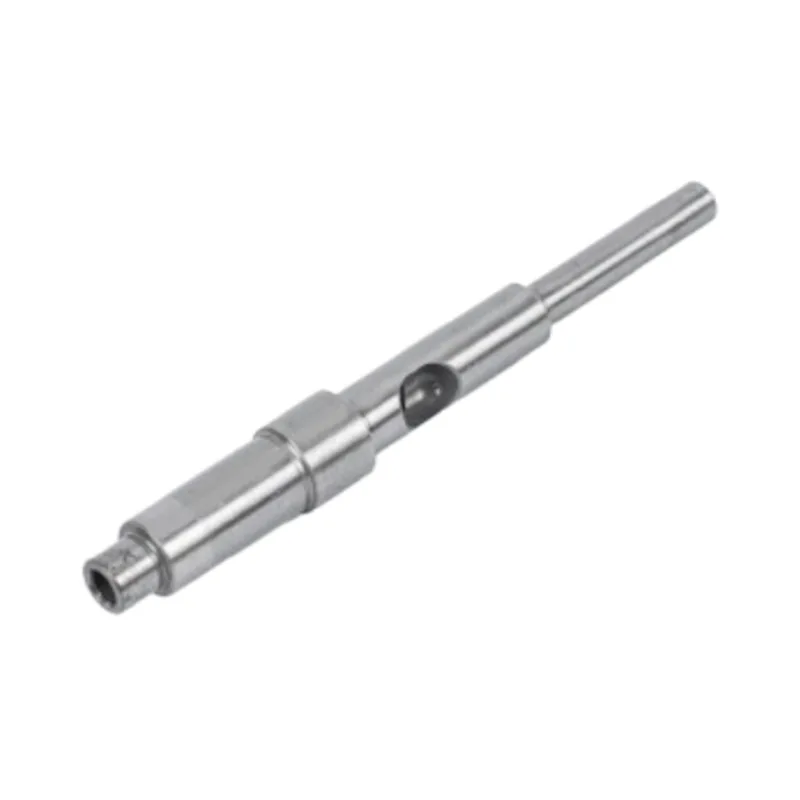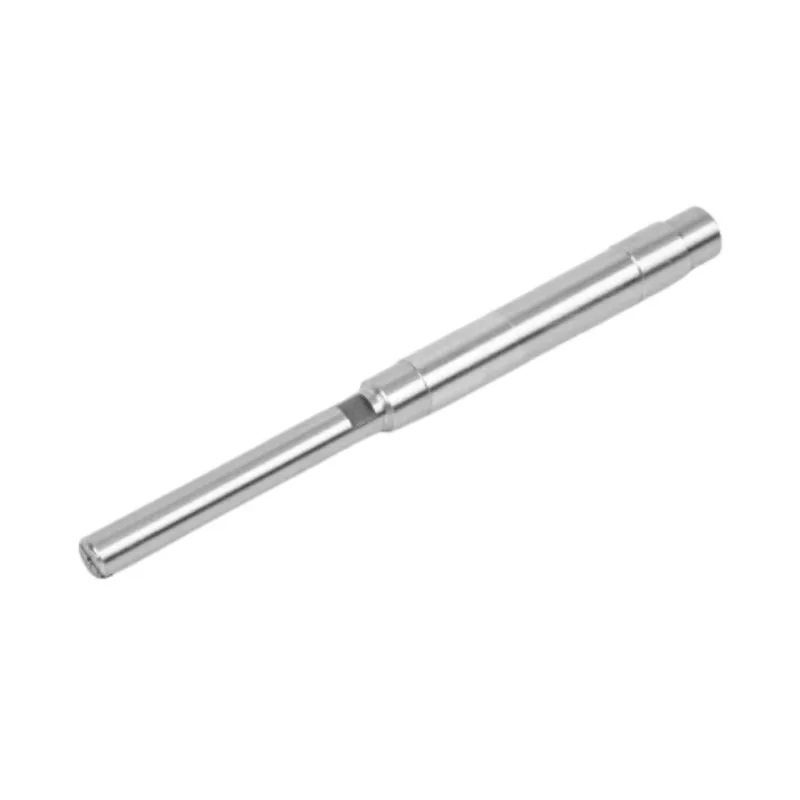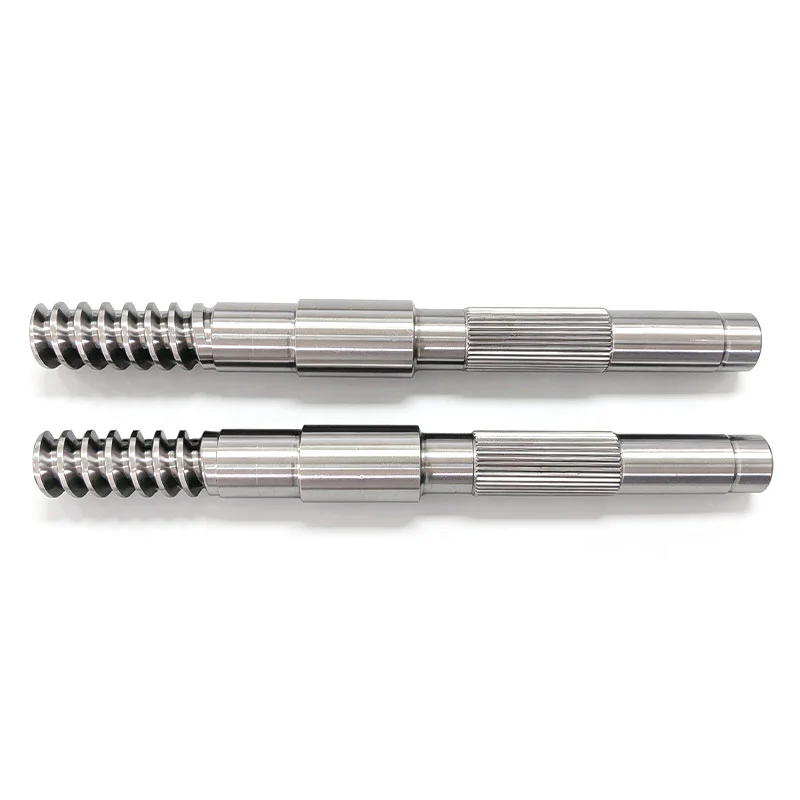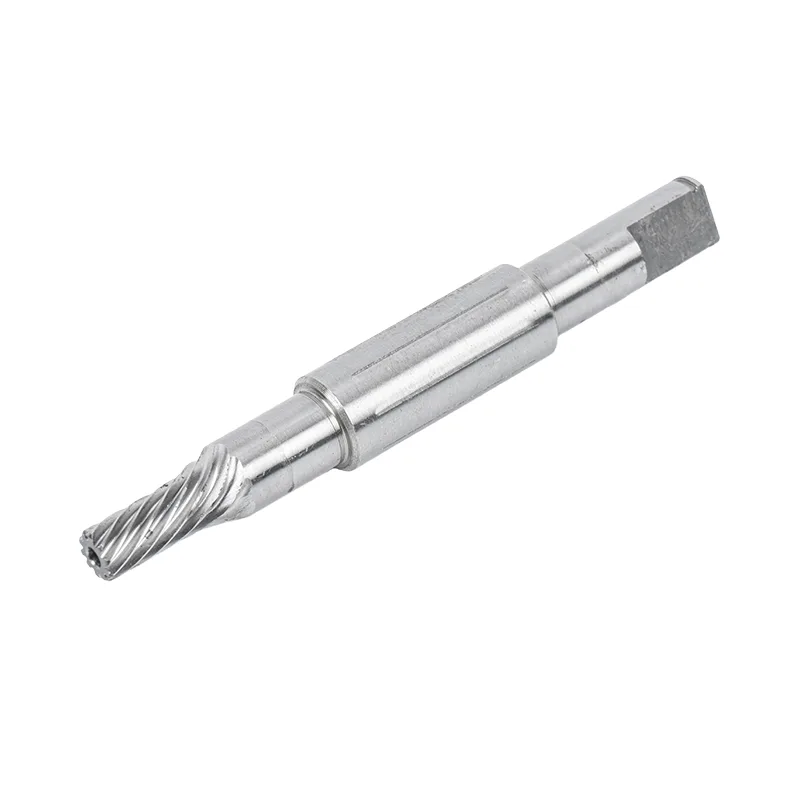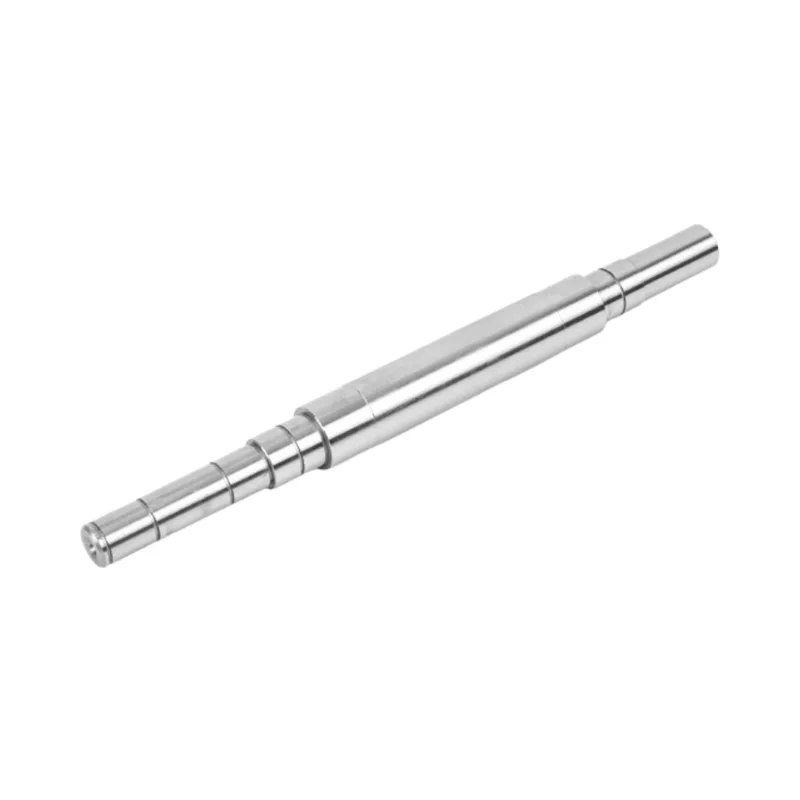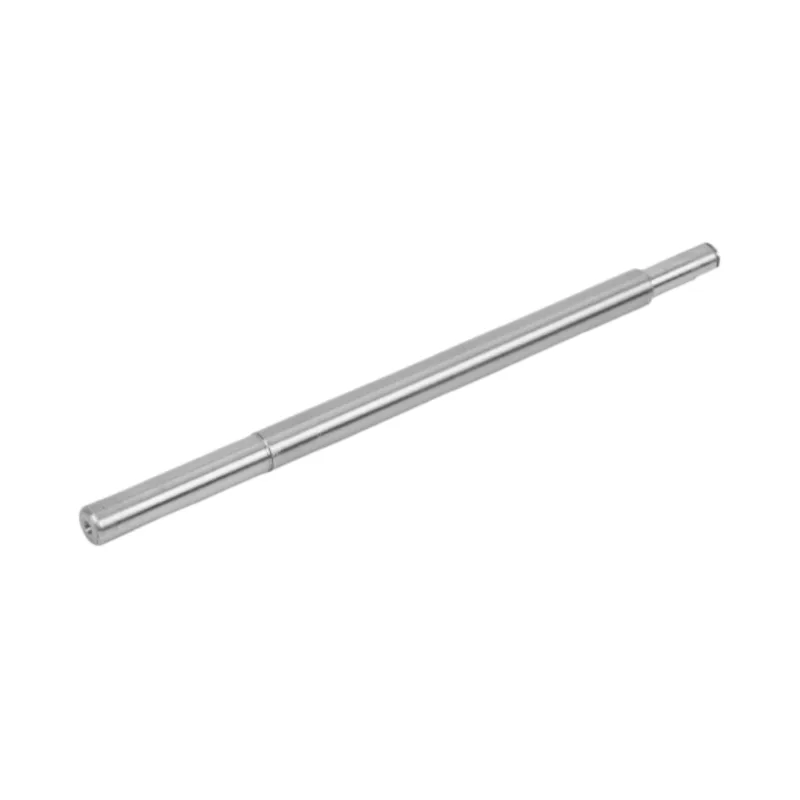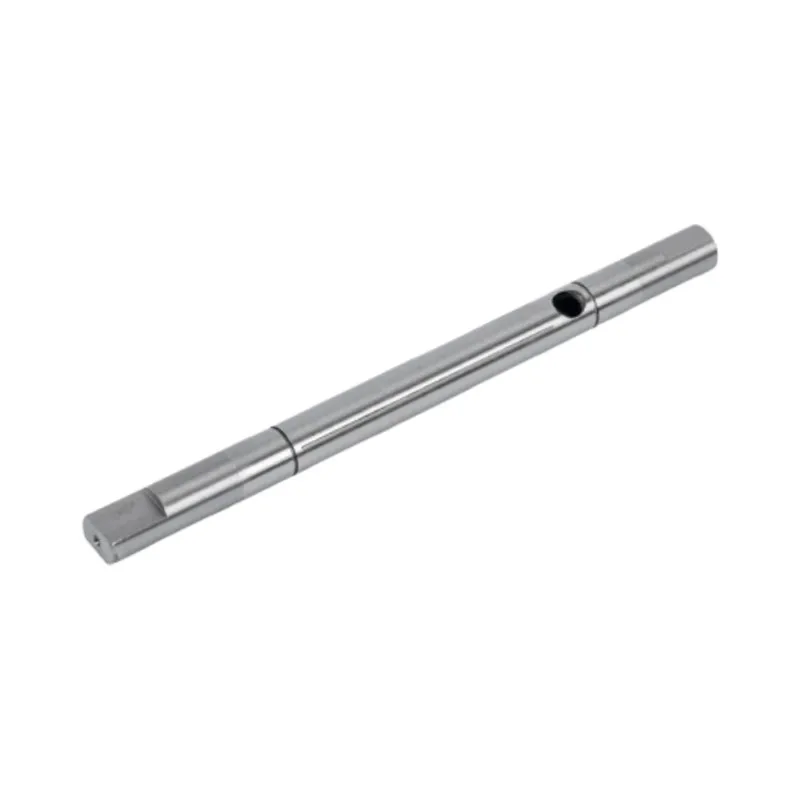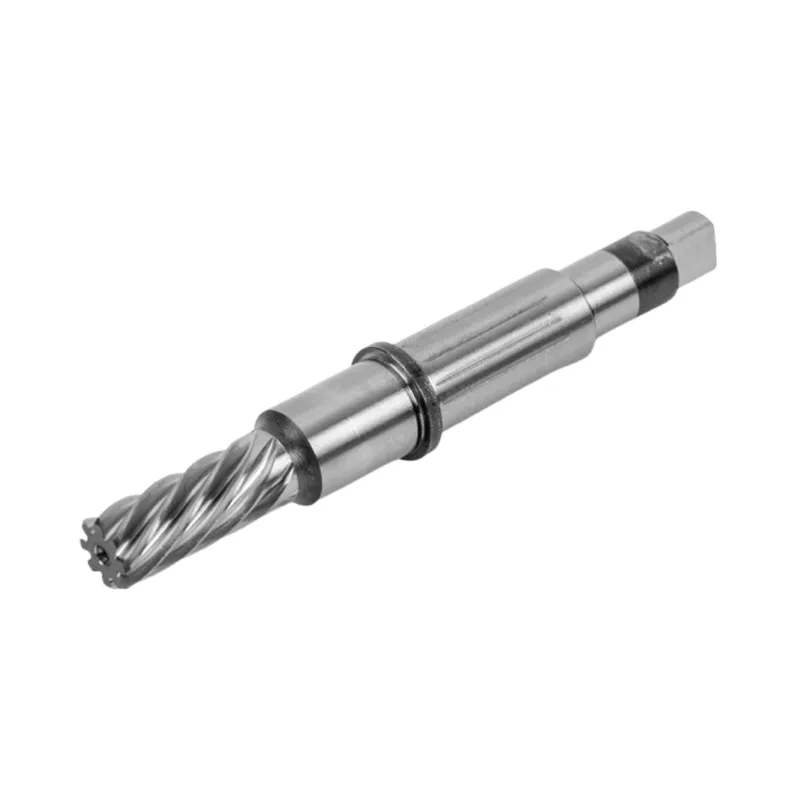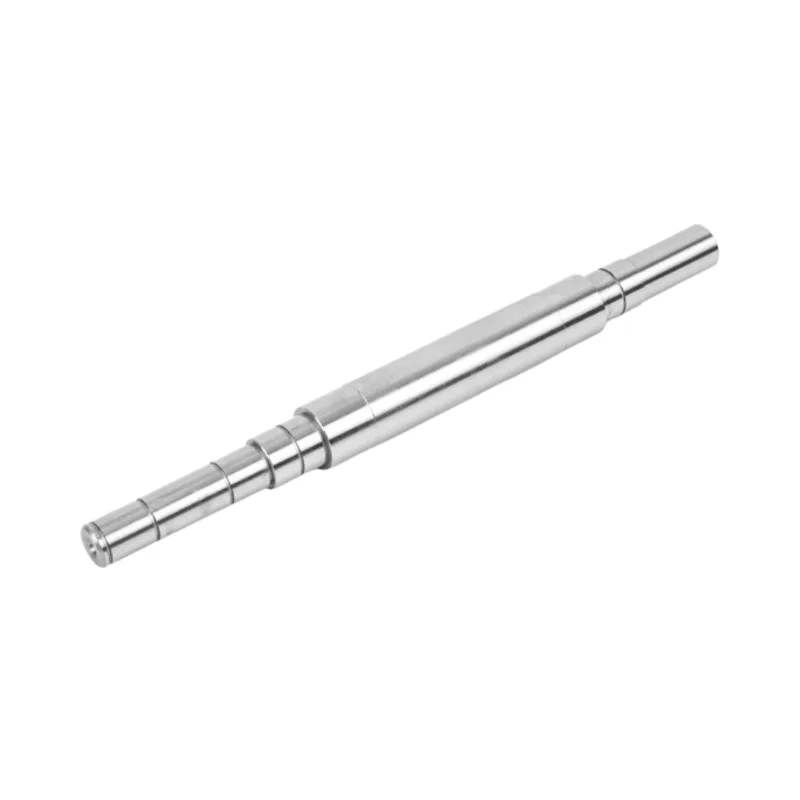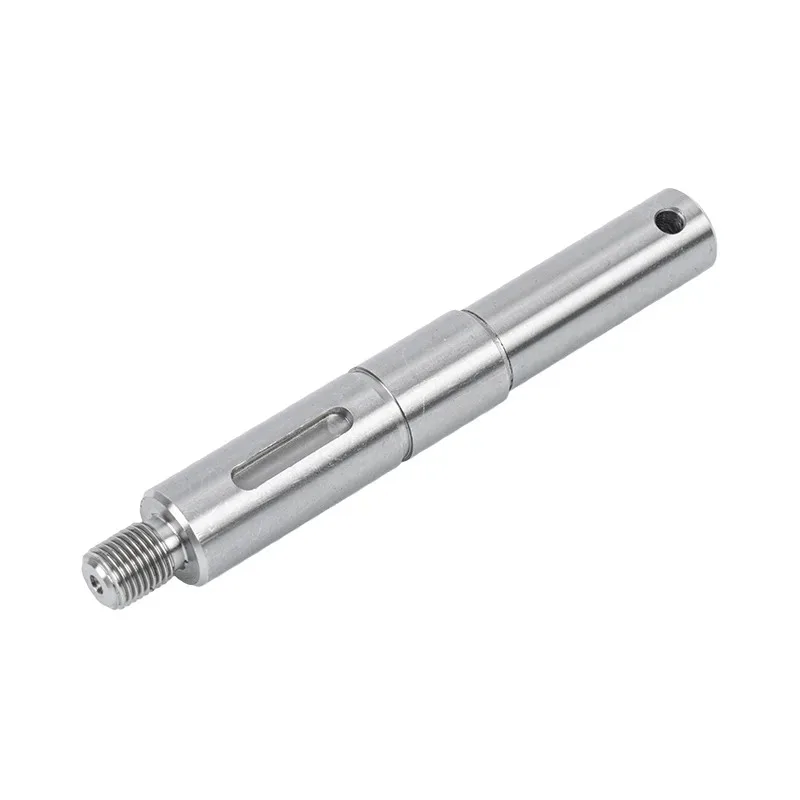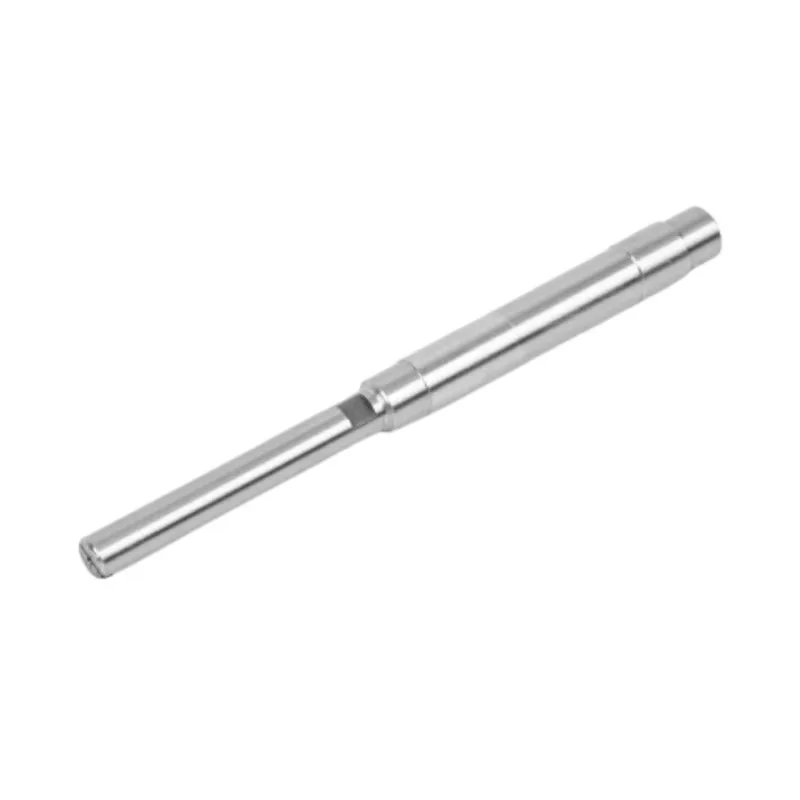

Abstract: Selecting a reliable motor shaft manufacturer is a critical decision that directly influences the performance, durability, and safety of electric motors, automotive drivetrains, industrial automation systems, and precision instruments. A poorly manufactured motor shaft can lead to premature wear, vibration issues, torque transmission failures, and costly production downtime. This guide provides a comprehensive framework for evaluating motor shaft manufacturers based on technical capabilities, quality management systems, production equipment, material expertise, and customization flexibility. By following the structured criteria outlined here, procurement professionals and engineers can identify a manufacturing partner capable of delivering consistent, high-precision motor shaft solutions that meet rigorous application requirements across diverse industries. Understanding the complete evaluation process ensures that the chosen motor shaft supplier becomes a strategic asset rather than a operational liability.
Table of Contents
- 1. Understanding Motor Shaft Specifications and Application Requirements
- 2. Evaluating Manufacturing Capabilities and Production Equipment
- 3. Assessing Quality Management Systems and Certifications
- 4. Examining Material Selection and Heat Treatment Processes
- 5. Reviewing Precision Grinding and Surface Finishing Capabilities
- 6. Analyzing Customization Flexibility and Engineering Support
- 7. Verifying Industry Experience and Application Expertise
- 8. Evaluating Supply Chain Reliability and Production Capacity
- 9. Red Flags and Warning Signs to Avoid
- 10. Frequently Asked Questions
1. Understanding Motor Shaft Specifications and Application Requirements
The journey to selecting a reliable motor shaft manufacturer begins with a thorough understanding of your specific application requirements. Motor shafts are fundamental components that transmit mechanical power from the motor to the driven load, and their design must account for torque, speed, mounting configuration, environmental conditions, and operational lifespan expectations. Different applications demand different shaft characteristics: a motor shaft for an electric vehicle traction motor requires high torsional strength and fatigue resistance, while a motor shaft for a medical device demands exceptional surface finish and corrosion resistance.
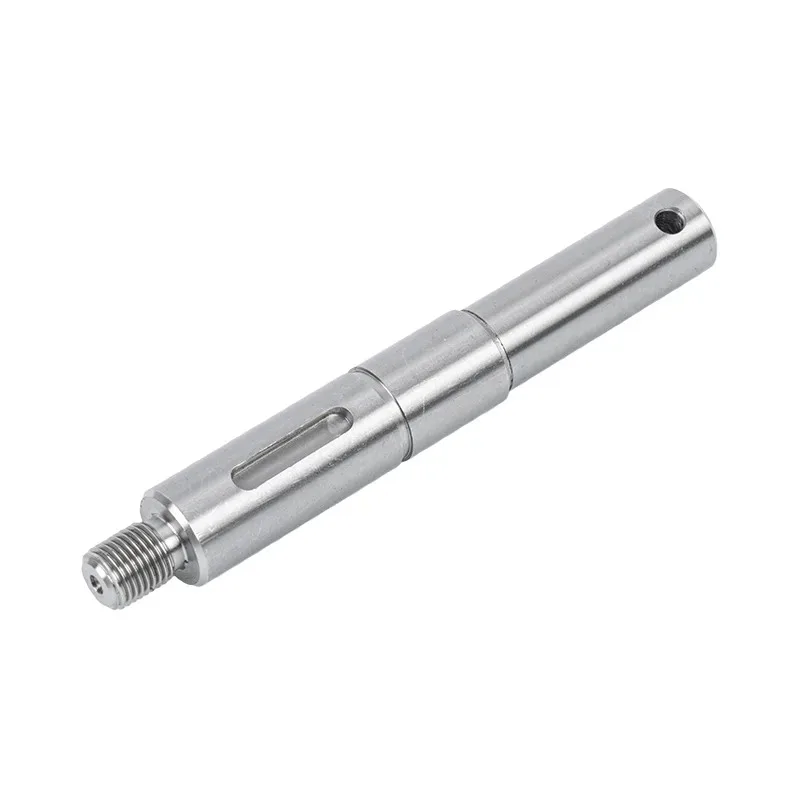
Before approaching potential manufacturers, define your technical specifications clearly. Key parameters include shaft diameter, length, tolerance requirements, keyway dimensions, thread specifications, surface roughness targets, and material grade. Understanding these requirements enables you to communicate effectively with manufacturers and evaluate their capability to meet your exact needs. A manufacturer that asks detailed questions about your application and operating conditions demonstrates the engineering rigor necessary for producing reliable motor shaft components.
Consider also the operating environment: will the motor shaft be exposed to moisture, chemicals, extreme temperatures, or abrasive conditions? These factors influence material selection and surface treatment requirements. A manufacturer with broad industry experience can provide valuable input on design optimization and material selection that extends shaft service life and reduces maintenance costs. A well-chosen motor shaft partner will help you define these parameters and suggest design improvements that enhance performance without adding unnecessary complexity.
2. Evaluating Manufacturing Capabilities and Production Equipment
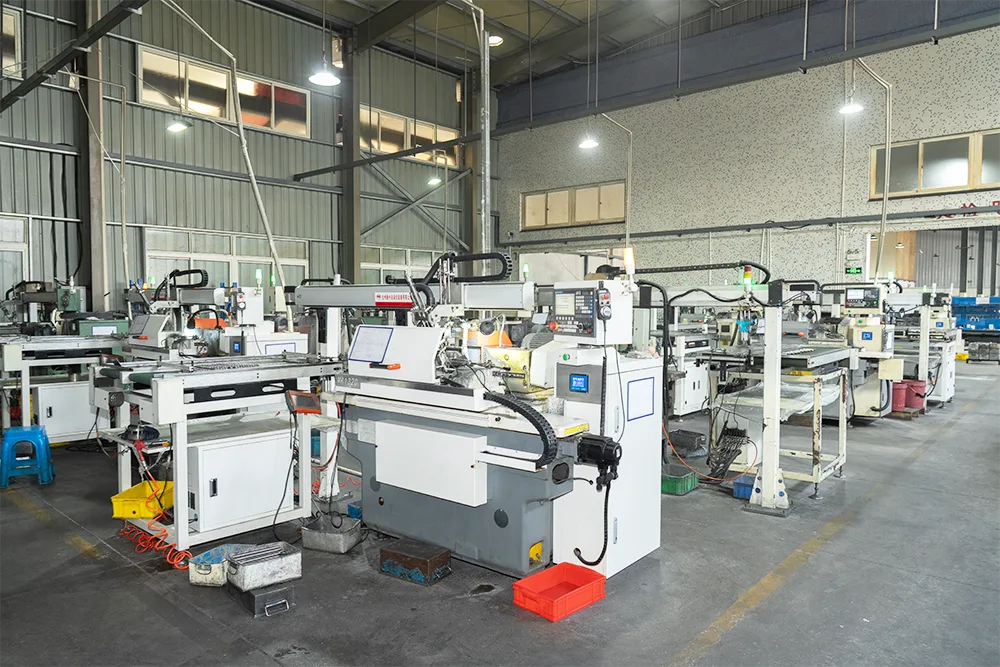
The production equipment a manufacturer operates is the most tangible indicator of their capability to produce high-quality motor shaft components. Modern motor shaft manufacturing requires a combination of turning, milling, grinding, and heat treatment processes, each demanding specialized machinery and skilled operators. When evaluating a manufacturer, inquire about their equipment inventory, machine ages, and maintenance practices.
| Equipment Type | Purpose in Motor Shaft Production | What to Look For |
|---|---|---|
| CNC Lathes | Rough turning and precision turning of shaft blanks | Multi-axis capability, automated tool changers |
| CNC Cylindrical Grinders | Precision grinding of shaft diameters and shoulders | High spindle accuracy, in-process gauging |
| Centerless Grinders | High-volume precision grinding of shaft surfaces | Through-feed or in-feed capability, consistent roundness |
| Keyway Milling Machines | Cutting keyways and splines | Precision indexing, automated loading |
| Heat Treatment Furnaces | Quenching, tempering, and case hardening | Temperature uniformity, atmosphere control |
A manufacturer with a comprehensive equipment portfolio can perform multiple operations in-house, reducing lead times and ensuring quality control at every stage. For example, a manufacturer equipped with 26 CNC cylindrical grinders and 6 high-precision centerless grinders demonstrates significant production capacity and the ability to handle large-volume orders while maintaining consistent quality. In-house grinding capability is particularly important because grinding is the final operation that determines the shaft's dimensional accuracy and surface finish—two parameters critical to bearing fit and rotational balance.
Beyond machine count, assess the manufacturer's investment in automation and quality control instrumentation. Modern manufacturing facilities employ CNC (Computer Numerical Control) systems that ensure repeatability across production runs. Automated inspection systems, such as coordinate measuring machines (CMM) and surface roughness testers, provide objective verification of part quality. A manufacturer that invests in advanced inspection equipment demonstrates commitment to delivering consistent, defect-free products.
3. Assessing Quality Management Systems and Certifications
Quality management system certification is a foundational requirement for any serious motor shaft manufacturer. ISO 9001 certification indicates that the manufacturer has established documented processes for quality control, continuous improvement, and customer satisfaction. However, different industries may require additional certifications: automotive applications often demand IATF 16949, while aerospace applications may require AS9100. Verify that the manufacturer holds the certifications relevant to your industry.
Beyond certification, evaluate the manufacturer's quality control practices in detail. Ask about their inspection frequency, measurement equipment calibration procedures, and non-conformance handling processes. A robust quality system includes:
- Incoming material inspection to verify raw material certifications and dimensions
- In-process inspections at critical manufacturing stages
- Final inspection with comprehensive dimensional and surface finish measurement
- Statistical process control (SPC) to monitor and improve process capability
- Traceability systems that link each finished shaft to its production batch and material lot
Manufacturers with patent technologies demonstrate a commitment to innovation and process optimization. A manufacturer holding 11 granted patents indicates a culture of continuous improvement and technical problem-solving. Such intellectual property often translates to proprietary manufacturing techniques that yield superior product quality, tighter tolerances, or more efficient production processes.
Also consider the manufacturer's approach to quality culture. Do they empower operators to stop production when quality issues arise? Do they conduct regular quality training? Is there a documented corrective and preventive action (CAPA) process? These cultural factors are often more important than the certification documents themselves in determining the consistency of product quality over time.
4. Examining Material Selection and Heat Treatment Processes
The material from which a motor shaft is manufactured fundamentally determines its mechanical properties, including strength, hardness, toughness, and fatigue resistance. Common materials for motor shafts include alloy steels (such as 40Cr, 42CrMo, and 20CrMnTi), carbon steels (such as 45# steel), and stainless steels for corrosion-resistant applications. Each material grade offers different trade-offs between strength, machinability, cost, and corrosion resistance.
A reliable manufacturer should demonstrate deep expertise in material selection and be able to recommend the optimal grade for your specific application. They should also source materials from reputable mills and maintain material certifications that verify chemical composition and mechanical properties. Ask about their material handling practices: are materials properly stored to prevent corrosion or contamination? Is there a system to prevent material mix-ups?
Heat treatment is equally critical to motor shaft performance. Proper heat treatment—including quenching, tempering, carburizing, or induction hardening—develops the required hardness profile and microstructure that determine the shaft's wear resistance and fatigue strength. A manufacturer with in-house heat treatment capabilities can tightly control these processes, ensuring consistent results. For example, quenching and tempering heat treatment combined with precision machining can achieve keyway symmetry to the axis within ≤0.02mm.
Inquire about the manufacturer's heat treatment equipment, process controls, and hardness testing procedures. Do they use atmosphere-controlled furnaces to prevent decarburization? Do they perform hardness testing on every batch? Is there a documented heat treatment procedure for each material grade? Detailed answers to these questions reveal the manufacturer's technical depth and commitment to quality.
5. Reviewing Precision Grinding and Surface Finishing Capabilities
Grinding is the most critical operation in motor shaft manufacturing because it determines the final dimensional accuracy and surface integrity. High-quality motor shafts require precision cylindrical grinding to achieve tight tolerances—often within ±0.005mm—and surface roughness values that ensure proper bearing fit and sealing performance. A manufacturer's grinding capability directly affects the shaft's concentricity, roundness, and surface finish, all of which influence motor efficiency and longevity.
Evaluate the manufacturer's grinding equipment portfolio. Look for modern CNC cylindrical grinders with in-process gauging that automatically compensates for wheel wear and thermal growth. Centerless grinding capability is essential for high-volume production of shafts with consistent diameters. Additionally, ask about the manufacturer's ability to grind complex features such as threads, splines, and tapered sections.
Surface finishing processes—such as superfinishing, honing, or polishing—can further improve the shaft's surface quality and reduce friction. A manufacturer with advanced finishing capabilities can produce shafts with mirror-like finishes that extend bearing life and reduce noise in high-speed applications. Discuss your surface roughness requirements with the manufacturer and verify that they can achieve and measure these targets consistently.
Inspection of ground surfaces is equally important. The manufacturer should use precision instruments such as roundness testers, surface roughness testers, and coordinate measuring machines to verify that each shaft meets the specified tolerances. The ability to provide detailed inspection reports for each shipment indicates a commitment to transparency and quality assurance.
6. Analyzing Customization Flexibility and Engineering Support
Not all motor shaft applications can be satisfied with standard designs. Many projects require custom shaft geometries, special materials, unique heat treatment profiles, or non-standard dimensions. A manufacturer with strong engineering support and customization flexibility can adapt to your specific requirements without compromising quality or delivery timelines. This capability is particularly valuable for prototype development, product customization, and special-purpose motor applications.
Evaluate the manufacturer's engineering team expertise. Do they have experienced design engineers who can review your drawings and propose cost-effective manufacturing methods? Can they provide design-for-manufacturability (DFM) advice to optimize the shaft design for production efficiency? A manufacturer that offers collaborative engineering support can help you reduce production costs and improve shaft performance through material or geometry optimization.
Customization also extends to secondary operations such as keyway cutting, threading, cross-drilling, and balancing. A full-service manufacturer can perform these operations in-house, eliminating the need to coordinate with multiple suppliers. This integrated approach reduces lead times, minimizes handling, and ensures single-point accountability for quality.
Ask about the manufacturer's minimum order quantity (MOQ) for custom shafts. While some manufacturers require high volume commitments, others are more flexible and can accommodate low-volume or prototype orders. A manufacturer that serves both low-volume and high-volume customers demonstrates agility and a customer-centric approach.
7. Verifying Industry Experience and Application Expertise
Industry experience is a powerful indicator of a manufacturer's ability to handle complex motor shaft requirements. A manufacturer that has served diverse industries—automotive, aerospace, industrial machinery, medical equipment, and renewable energy—has accumulated a broad knowledge base that can benefit your project. They have encountered and solved a wide range of technical challenges, from high-speed balancing to corrosion protection in harsh environments.
When evaluating experience, ask for case studies or examples of similar projects. Inquire about the manufacturer's experience with your specific industry standards and regulatory requirements. For instance, automotive shafts often require compliance with PPAP (Production Part Approval Process) and IATF 16949 standards, while medical device shafts may require ISO 13485 certification and cleanroom manufacturing.
Longevity in the market also suggests stability and reliability. A manufacturer that has been operating for several decades has weathered economic cycles and maintained customer relationships, indicating a sustainable business model. Additionally, long-standing relationships with material suppliers and equipment vendors often translate to better material availability and preferential service.
Consider the manufacturer's track record on innovation. Have they introduced new technologies or processes that improve shaft performance or manufacturing efficiency? Manufacturers that invest in research and development are more likely to offer cutting-edge solutions that give your products a competitive edge.
8. Evaluating Supply Chain Reliability and Production Capacity
Even the highest-quality motor shaft is of little value if the manufacturer cannot deliver it on time. Supply chain reliability and production capacity are essential factors in selecting a manufacturing partner. Assess the manufacturer's ability to meet your volume requirements consistently, especially during peak demand periods. Ask about their typical lead times for raw material procurement, production, and shipping.
Production capacity depends on the number of machines, shift schedules, and workforce availability. A manufacturer with multiple shifts and a large machine fleet can handle urgent orders and ramp up production quickly. However, capacity alone is not sufficient—ask about their order backlog and capacity utilization rate. A manufacturer that is consistently near full capacity may struggle to accommodate new orders, while one with excess capacity may signal low demand or operational inefficiencies.
Supply chain reliability also involves raw material sourcing. Does the manufacturer maintain strategic stock of commonly used steel grades? Do they have multiple approved suppliers to mitigate material shortages? A robust supply chain ensures that production is not interrupted by raw material unavailability.
Additionally, inquire about the manufacturer's contingency planning. How do they handle machine breakdowns, power outages, or labor shortages? A manufacturer with redundant equipment, backup power generators, and cross-trained operators is better prepared to maintain production continuity. Transparent communication about lead times and potential delays is another hallmark of a reliable partner.
9. Red Flags and Warning Signs to Avoid
Recognizing warning signs early can save your company from costly mistakes. Be cautious of manufacturers that exhibit any of the following red flags:
- Inability to provide clear documentation of quality certifications or material certifications
- Reluctance to share inspection data or provide samples for evaluation
- Vague or evasive answers regarding production processes, equipment, or lead times
- Poor communication responsiveness or lack of a dedicated customer service contact
- No traceability system to link finished shafts to material lots and production records
- High employee turnover or lack of skilled workforce, indicating operational instability
- Outdated equipment without a clear replacement or upgrade plan
Another warning sign is a manufacturer that claims to handle everything without clear specialization. While full-service capabilities are valuable, a manufacturer that lacks focus may not have the depth of expertise required for your specific application. Conversely, a manufacturer that is highly specialized but inflexible may not adapt to your unique requirements.
Price-based selection is a common pitfall. The cheapest quote rarely reflects the true total cost of ownership, considering potential quality issues, rework costs, and production delays. Prioritize value—defined by quality, reliability, and technical support—over price. A manufacturer that competes on quality and service rather than price is more likely to be a long-term partner.
Finally, verify the manufacturer's financial stability. While not a direct quality measure, a financially sound manufacturer is more likely to maintain investments in equipment, training, and quality systems. Request bank references or audited financial statements if you are considering a large-volume commitment.
10. Frequently Asked Questions
What materials are commonly used for motor shaft manufacturing?
Common materials include alloy steels like 40Cr and 42CrMo, carbon steels like 45# steel, and stainless steels for corrosion resistance. Material selection depends on application requirements for strength, toughness, and environmental conditions.
What tolerances can a high-quality motor shaft manufacturer achieve?
State-of-the-art manufacturers can achieve dimensional tolerances within ±0.005mm and surface roughness values below Ra 0.4μm. Keyway symmetry to the axis can be held within ≤0.02mm.
How do I verify a manufacturer's quality management system?
Ask for ISO 9001, IATF 16949, or AS9100 certificates. Also request a facility audit or virtual tour to see quality control processes in action, including inspection equipment and traceability documentation.
What is the typical lead time for custom motor shafts?
Lead times vary based on complexity, material availability, and order volume. Standard custom shafts may require 3–6 weeks, while complex designs may take longer. Discuss lead time expectations upfront.
Can I request prototype shafts before full production?
Yes, many reputable manufacturers offer prototyping services to validate design, fit, and performance. Prototyping helps identify any design adjustments before committing to large-scale production.
Contact us to discuss your motor shaft requirements and let our engineering team provide a tailored solution that delivers precision, durability, and performance.
Request a Custom Shaft ProposalGuanshuo is your trusted partner for high-precision motor shaft manufacturing, backed by decades of experience, patented technologies, and a relentless commitment to quality.