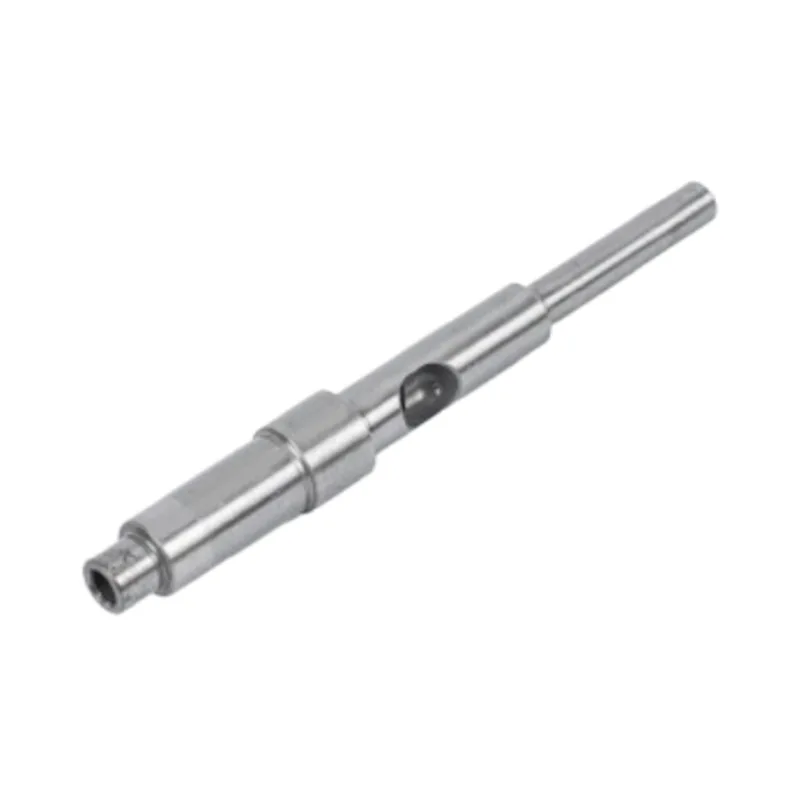

Quick answerA motor shaft is the rotating steel bar at the core of an electric motor. It carries torque from the rotor to the load, holds the rotor and bearings in place, and sets the running accuracy of the whole motor. Motor shafts are made as solid or hollow types, in carbon steel, alloy steel, or stainless steel, and are machined to tight tolerances by turning, grinding, and heat treatment. The right shaft depends on torque, speed, precision grade, and the motor's end application.
The motor shaft is one of the smallest parts of an electric motor. It is also one of the most demanding. A shaft that is a few microns out of round can cause vibration, noise, bearing wear, and early motor failure. This guide explains what a motor shaft does, the main types, the materials and grades used, and the specs that decide quality. It also covers how a precision shaft is made and how to write a spec that a manufacturer can quote fast.
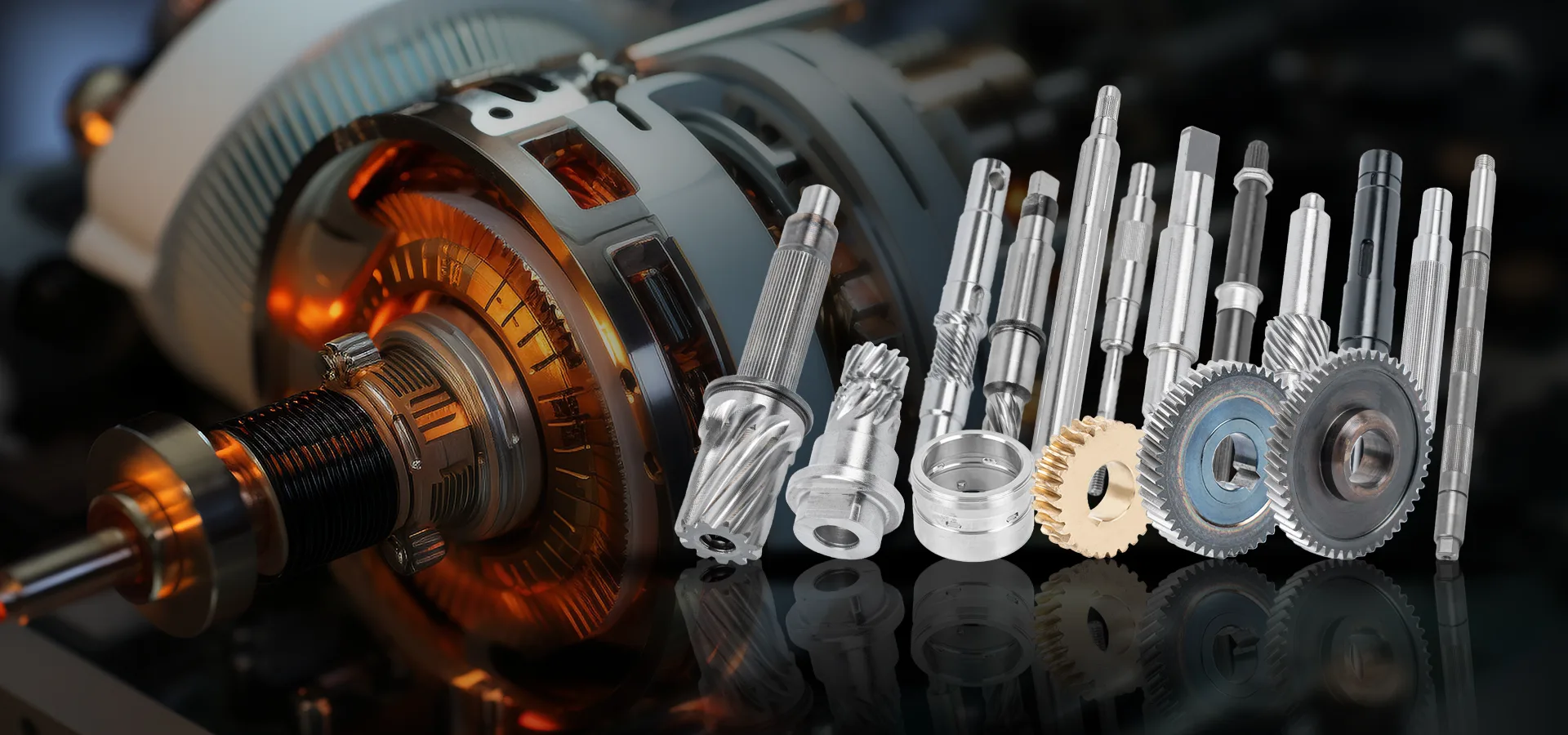
A motor shaft is the central rotating axle of an electric motor. The rotor is fixed onto it. When the motor turns, the shaft transfers that rotation, as torque, to whatever the motor drives. That load might be a gearbox, a pump impeller, a fan, or a vehicle drivetrain.
The shaft does four jobs at once. It transmits torque without twisting or fatiguing. It locates the rotor in the exact center of the stator. It rides in the bearings, so its journal surfaces set the running accuracy. And it provides the drive feature, such as a keyway or spline, that couples the motor to the load.
Because it does all four, the shaft is a precision part, not a simple rod. Small errors in roundness, straightness, or surface finish show up as vibration and heat. That is why shaft journals are ground, not just turned, and why balance and runout are checked before shipping.
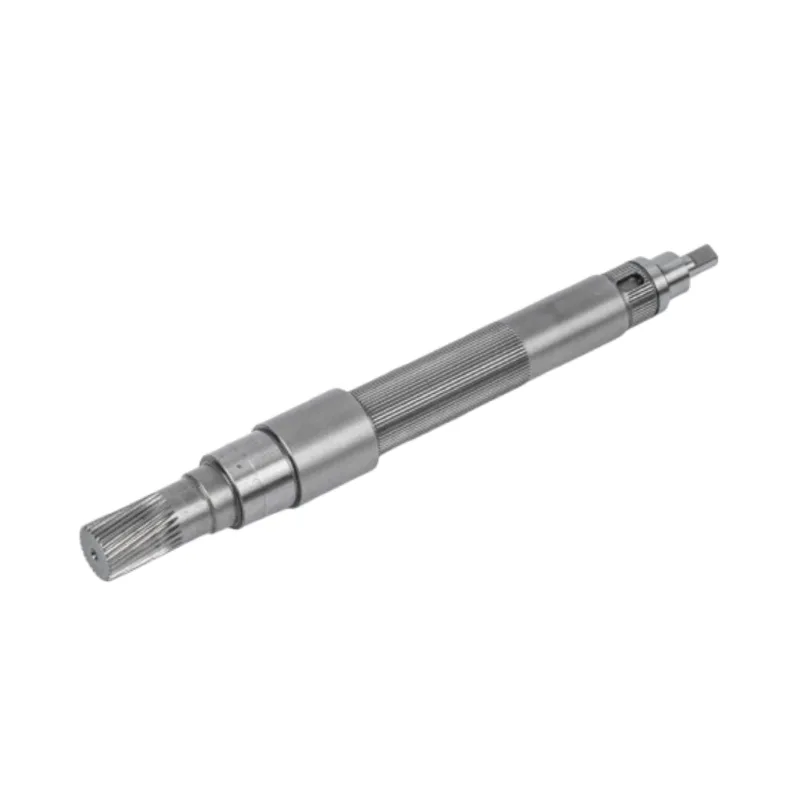
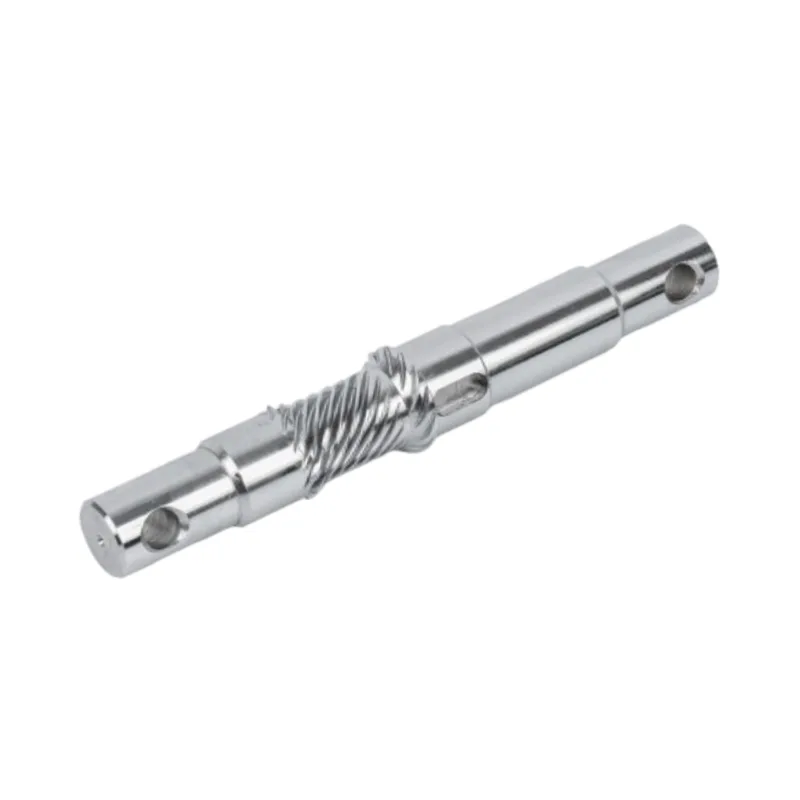
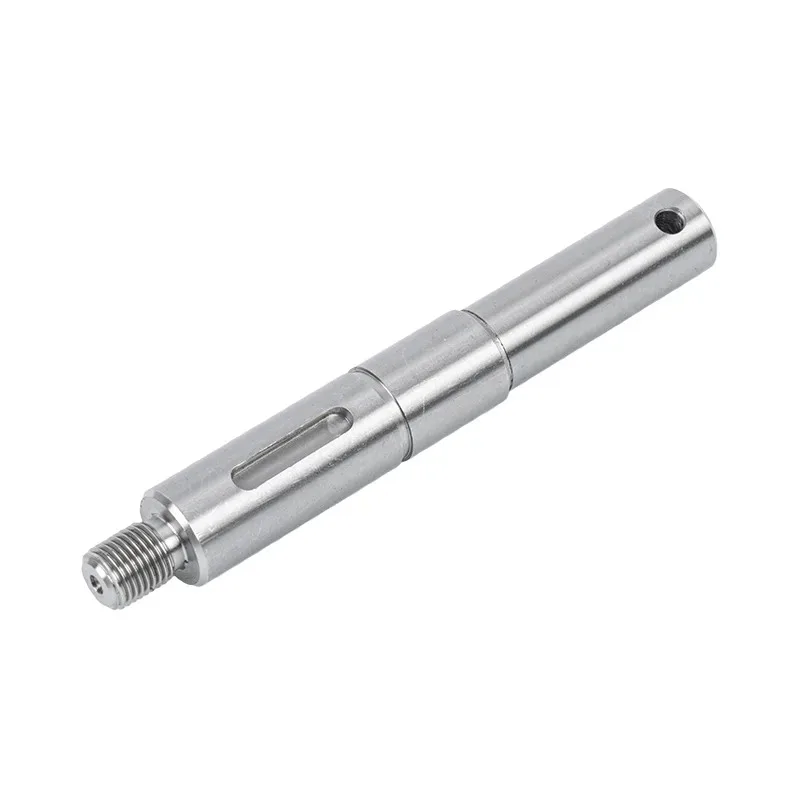
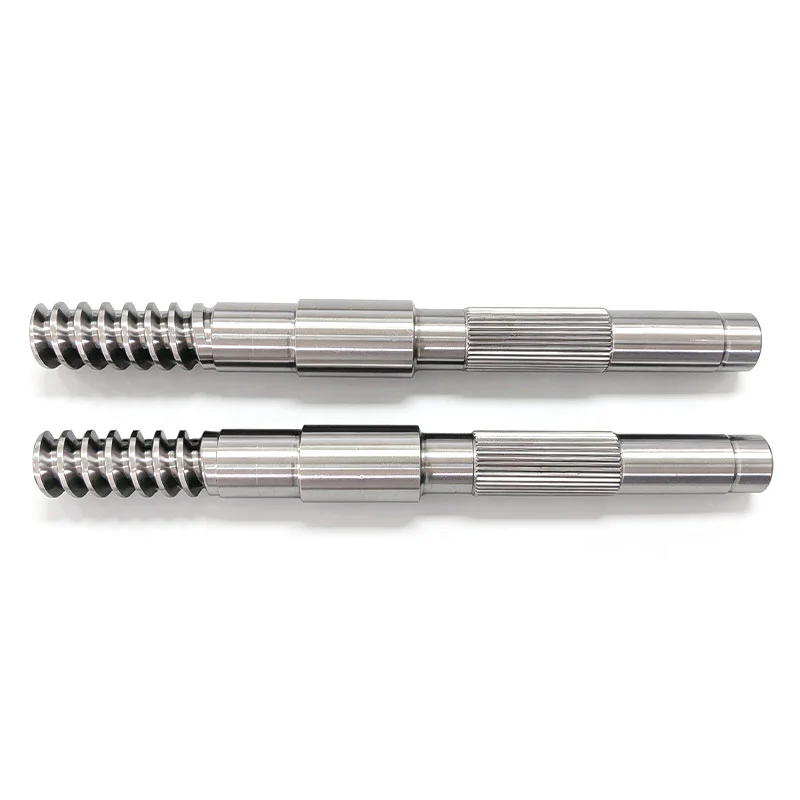
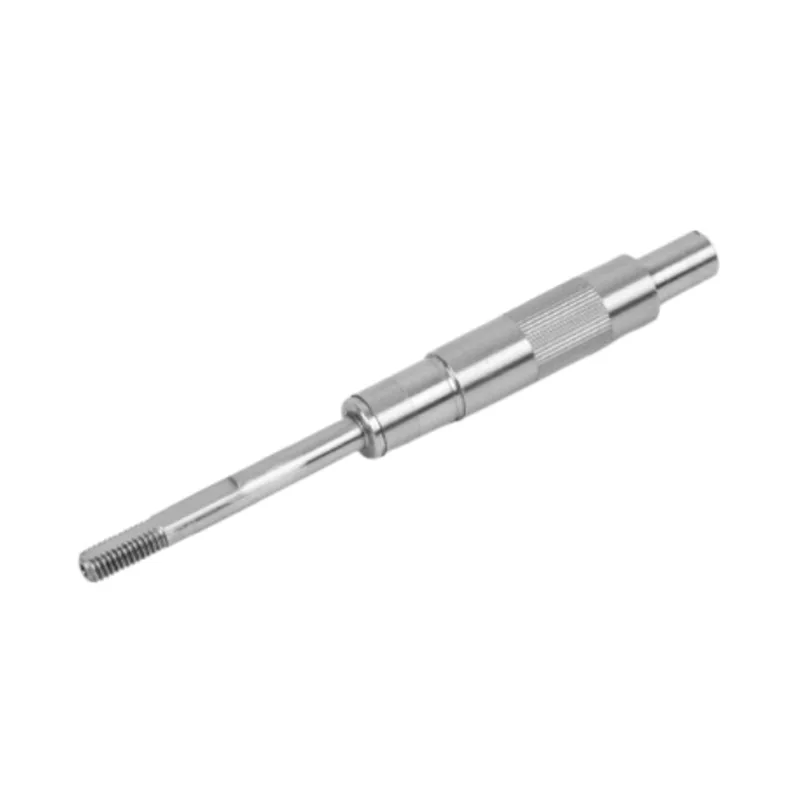
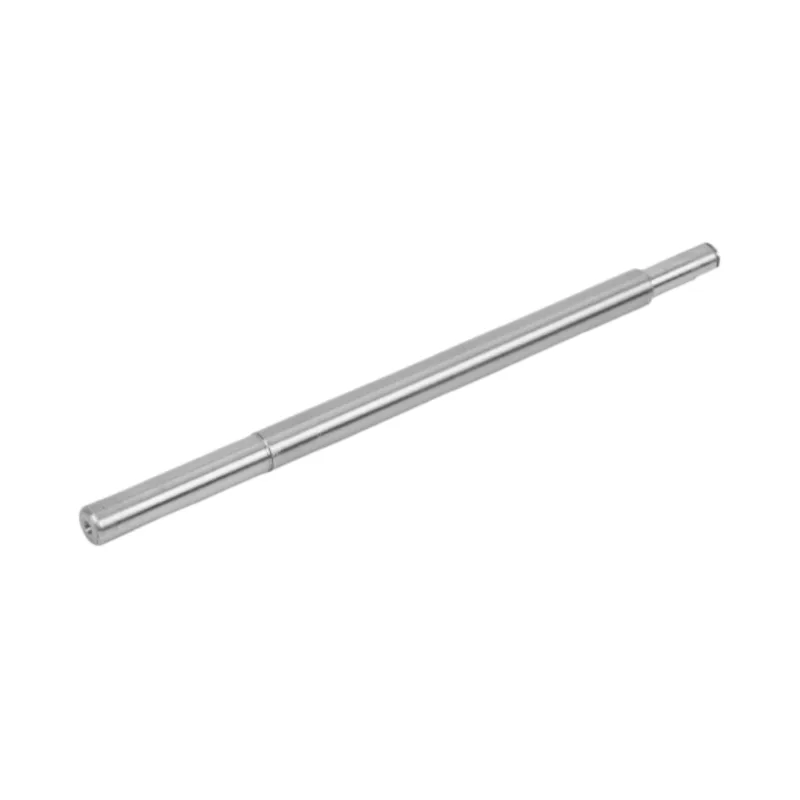
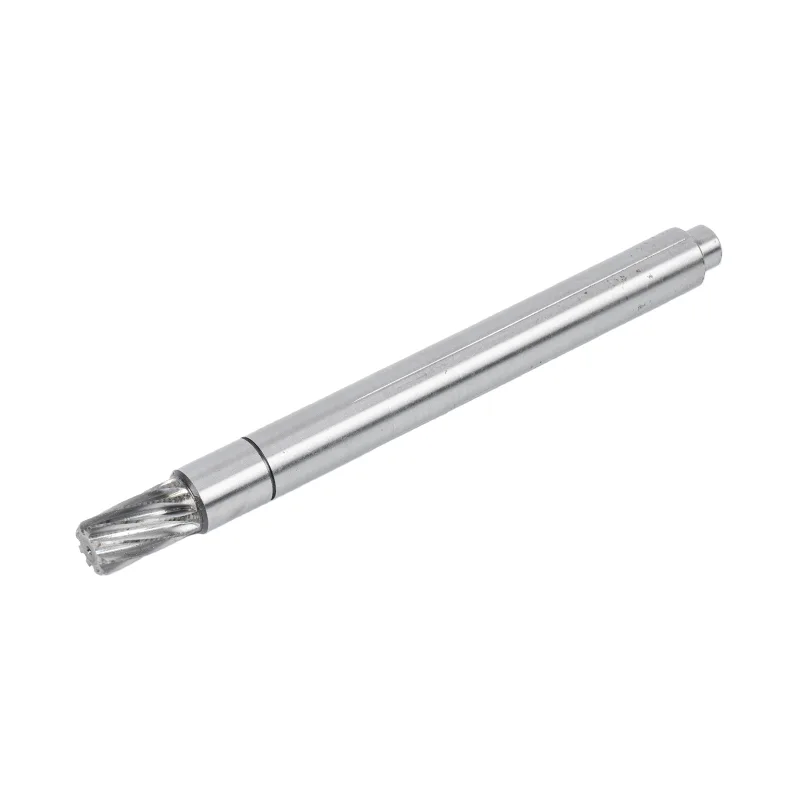
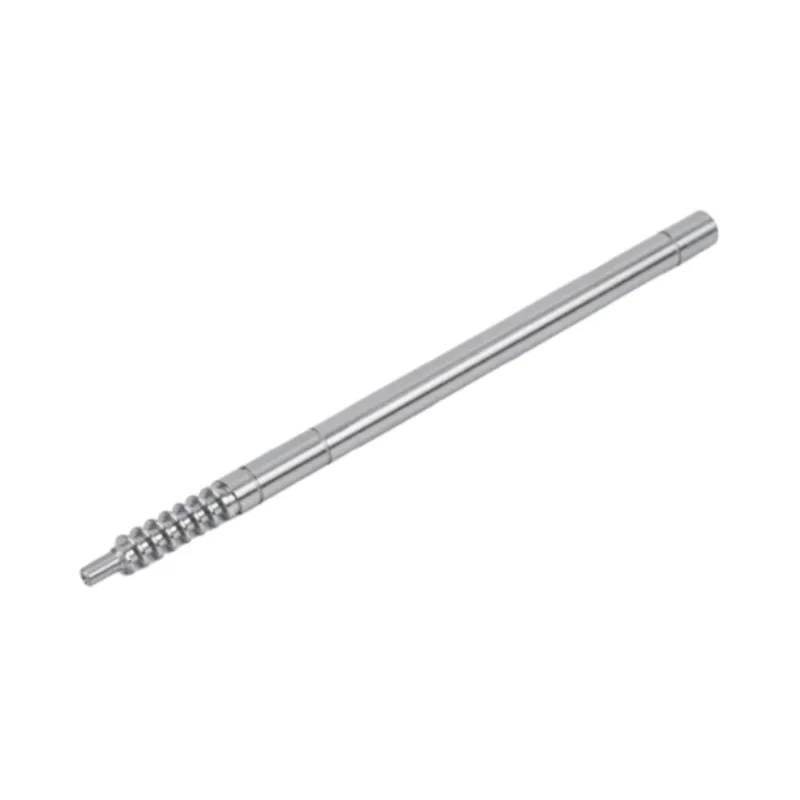
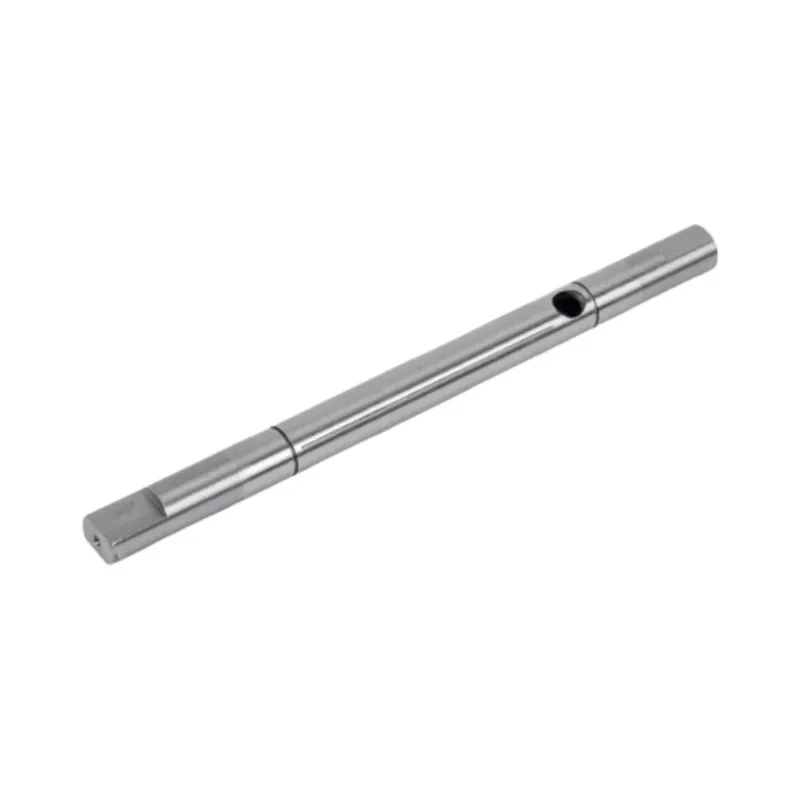
Motor shafts split first into solid and hollow. They then split again by the drive feature machined onto them. Guanshuo Precision builds all of these as standard or custom parts.
A solid motor shaft is a full bar of steel. It is the default choice. It is strong, stiff, and simple to make. Most appliance, pump, and general industrial motors use solid shafts.
A hollow motor shaft has a bore down its center. That bore cuts weight and rotating inertia. It can also carry a coolant, a wiring loom, or a second shaft. Hollow shafts are common in EV drive motors, robots, and high-speed spindles, where light weight and cooling matter. The bore can be a through-hole, a blind hole, or a tapered bore.
The end of the shaft needs a way to grip the load. The common features are:
| Shaft type | Drive feature | Best for |
|---|---|---|
| Smooth shaft | Plain ground surface, no key | Press-fit hubs, clamp couplings, pulleys |
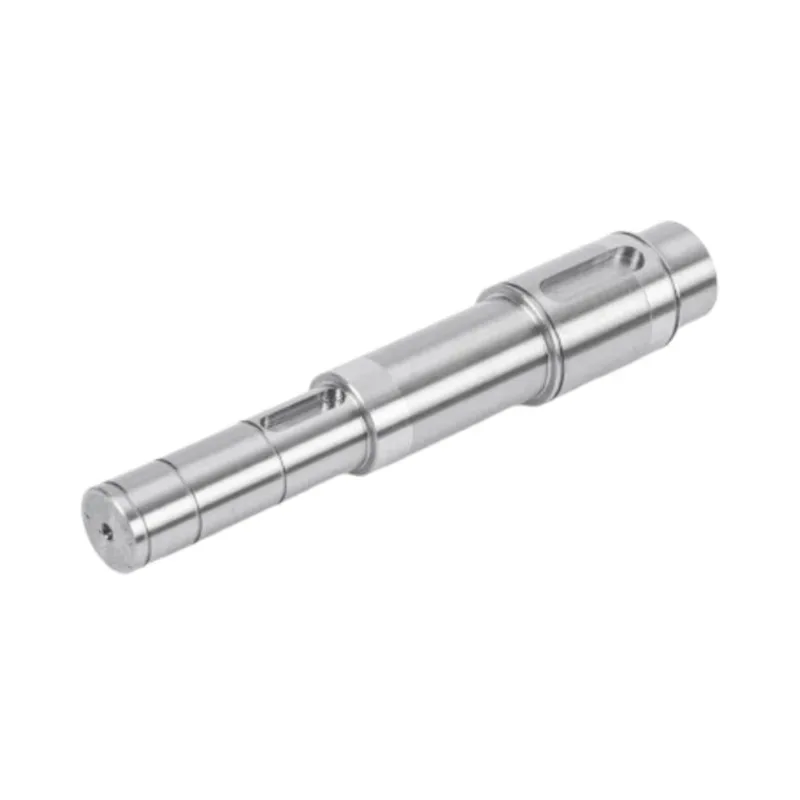
| Keyway shaft | One or two milled key slots | High-torque drives with a keyed hub |
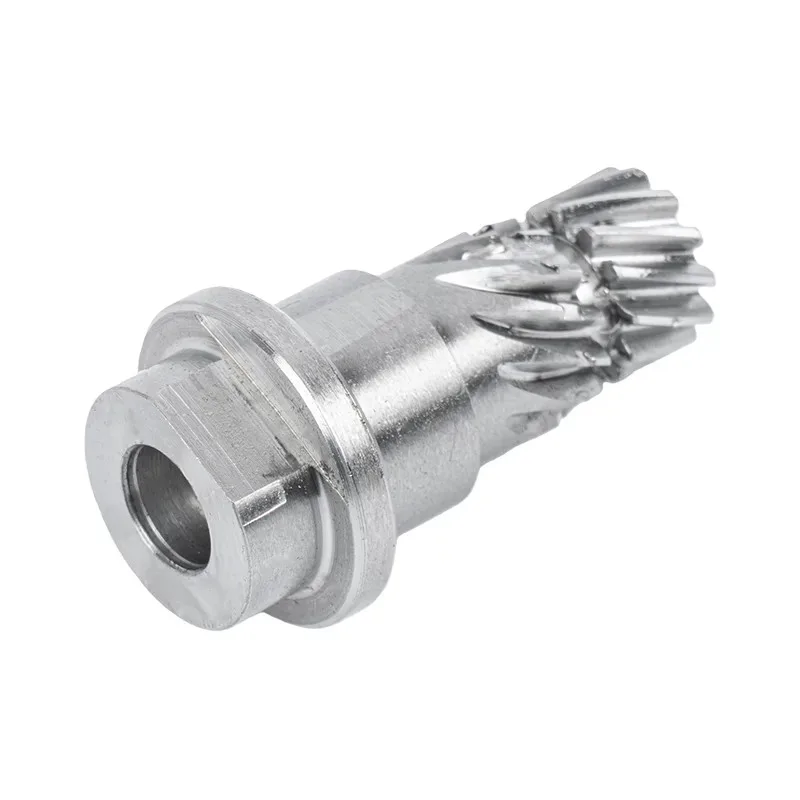
| Splined shaft | Multiple axial teeth | EV and gearbox drives, high torque density |
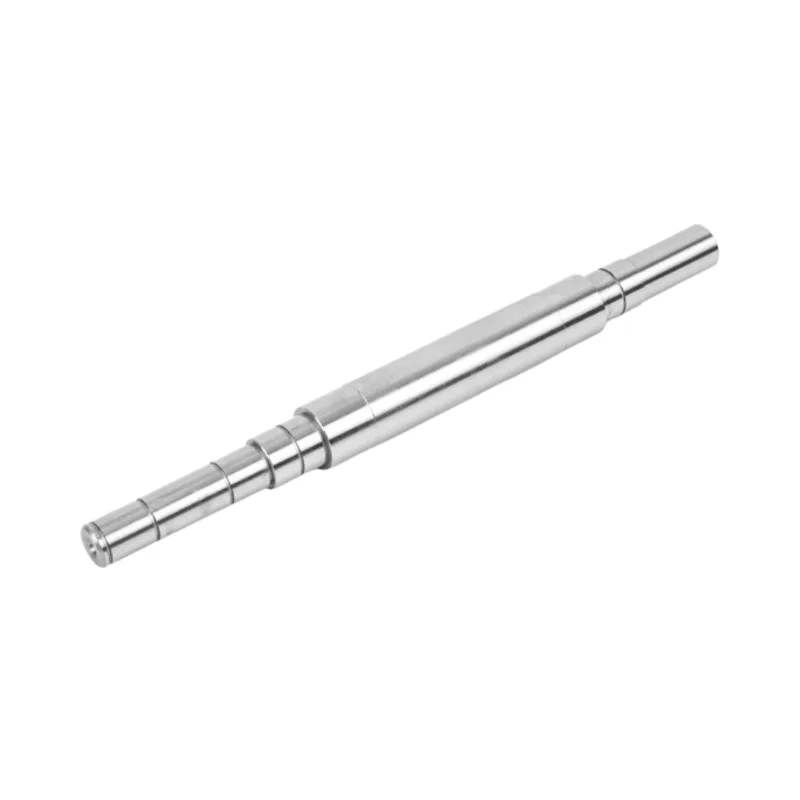
| Stepped shaft | Several diameters along the length | Locating bearings, seals, and gears at set points |
Many shafts combine features. A single part can be stepped, carry a single keyway or double keyed slots, and end in a spline. Beyond these, general purpose and special motor shafts cover custom geometry for specific motors.
Material choice sets the strength, wear life, and corrosion resistance of the shaft. Three families cover almost every motor.
| Family | Typical grades | Why it is chosen |
|---|---|---|
| Carbon steel | 1045 / C45 | Low cost, good strength, easy to machine. Used for general appliance and industrial shafts. |
| Alloy steel | 4140, 4340 | Higher strength and fatigue life. Responds well to heat treatment. Used for high-torque and EV shafts. |
| Stainless steel | 303, 304, 316L, 431 | Corrosion resistance for pumps, food, medical, and marine motors. 316L suits medical and hygienic use. |
The choice is a trade-off. Carbon steel is cheapest. Alloy steel gives the best fatigue life once hardened. Stainless resists rust but costs more and is harder to machine. For a wet or washdown motor, a stainless steel smooth shaft often pays for itself in service life.
Two shafts can look the same and perform very differently. The difference is in the numbers on the drawing. These are the specs that matter most, with the values Guanshuo holds in production.
| Spec | What it controls | Guanshuo range |
|---|---|---|
| Dimensional tolerance | Fit of bearings, gears, and hubs | IT5–IT6 standard, IT4–IT5 for medical |
| Surface roughness (Ra) | Bearing and seal life, friction | Ra≤0.4 μm on ground journals |
| Concentricity / runout (TIR) | Vibration and noise | TIR ≤0.01 mm, typical 0.005 mm |
| Hardness | Wear and fatigue resistance | 42–48 HRC typical, up to 60–65 HRC on spindles |
| Dynamic balance | Smooth running at speed | G0.1–G0.4 grade |
| Fatigue life | Service life under load | ≥15,000 hours, over 1,000,000 torque cycles |
Tolerance and runout are the ones buyers underspecify most. If your motor is quiet and high-speed, ask for tight runout and a fine surface finish on the bearing journals. Those two specs drive most of the noise and vibration behavior.
A quality shaft is built in stages. Each stage removes error from the last. This is the route Guanshuo uses for a typical hardened shaft.
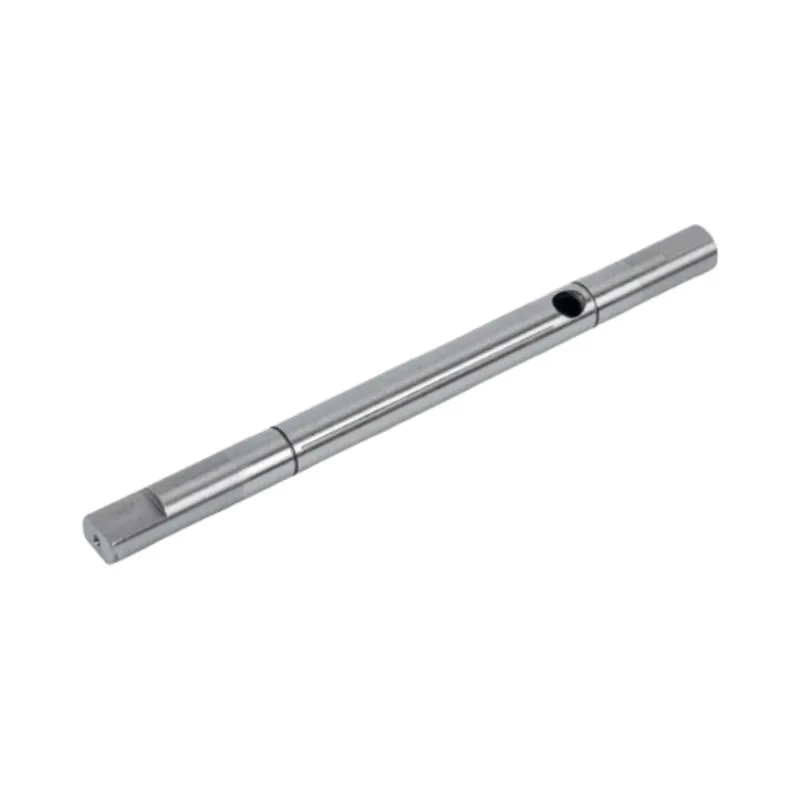
The order matters. Grinding comes after hardening, because hardening distorts the part. Grinding a soft shaft first, then hardening, would undo the accuracy. This is a common reason cheap shafts run out of tolerance in service.
Different industries stress the shaft in different ways. The spec follows the duty.
EV drive motors turn fast and reverse often. They favor hollow alloy-steel shafts, frequently splined, for low inertia and high torque density. Balance and fatigue life are critical at high rpm.
Servo motors and robot joints need tight runout and repeatable positioning. Hollow shafts route cables and reduce moving mass. Fatigue resistance over a million cycles is the target here.
Fans, pumps, and compressors run in high volume at lower cost. Solid carbon-steel shafts with a keyway or smooth fit are the norm. Quiet running and long life still matter to the end user.
Medical and semiconductor motors demand the highest grade. Guanshuo builds these from 316L stainless to IT4–IT5 tolerance for corrosion resistance and clean, precise motion.
A clear spec gets a fast, accurate quote. Give a manufacturer these points and you avoid back-and-forth.
If you only have a sample or a rough sketch, that is fine. A capable shop can reverse-engineer a shaft and propose the tolerances. The more of the list above you can fill in, the tighter the first quote will be.
Ningbo Guanshuo Precision Hardware has built motor shafts since 2016. The plant runs 26 CNC cylindrical grinders and 6 high-precision centerless grinders, backed by CNC turn-mill and heat-treatment lines. That grinding capacity is what holds IT5–IT6 tolerance and Ra≤0.4 μm in volume.
The company works to ISO9001, holds 11 patents, and is a national-level high-tech enterprise. Shafts ship into new energy vehicle, industrial automation, appliance, and medical motors worldwide. Every part is machined to the customer drawing, from a general purpose shaft to a special custom design.
Send your drawing, sample, or duty details. Guanshuo Precision will review the specs and return a quote for solid, hollow, keyway, splined, or stepped shafts in carbon, alloy, or stainless steel.
Request a Quote Or reach the team directly on the contact page.