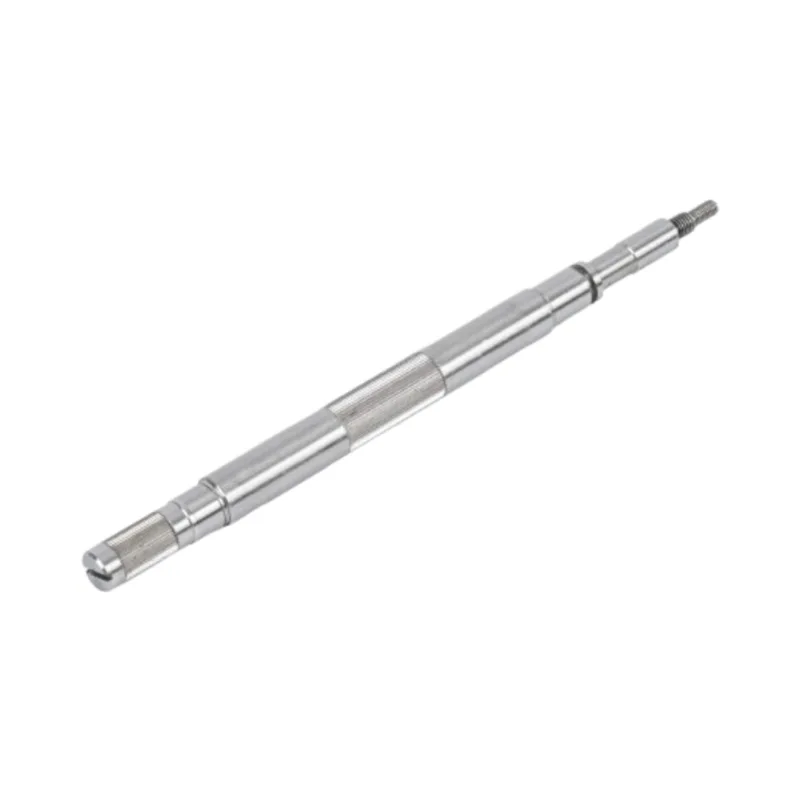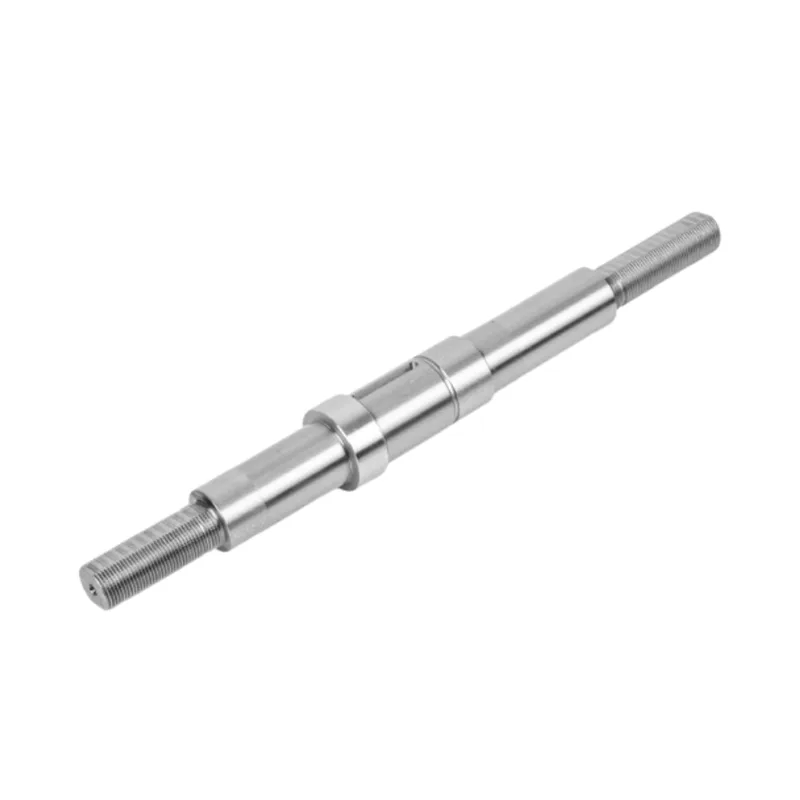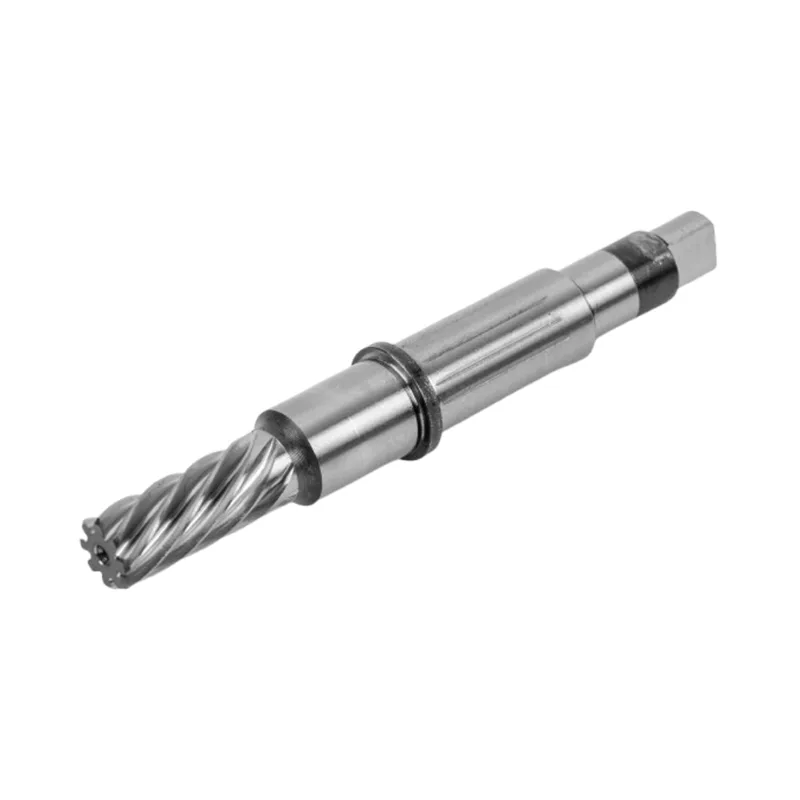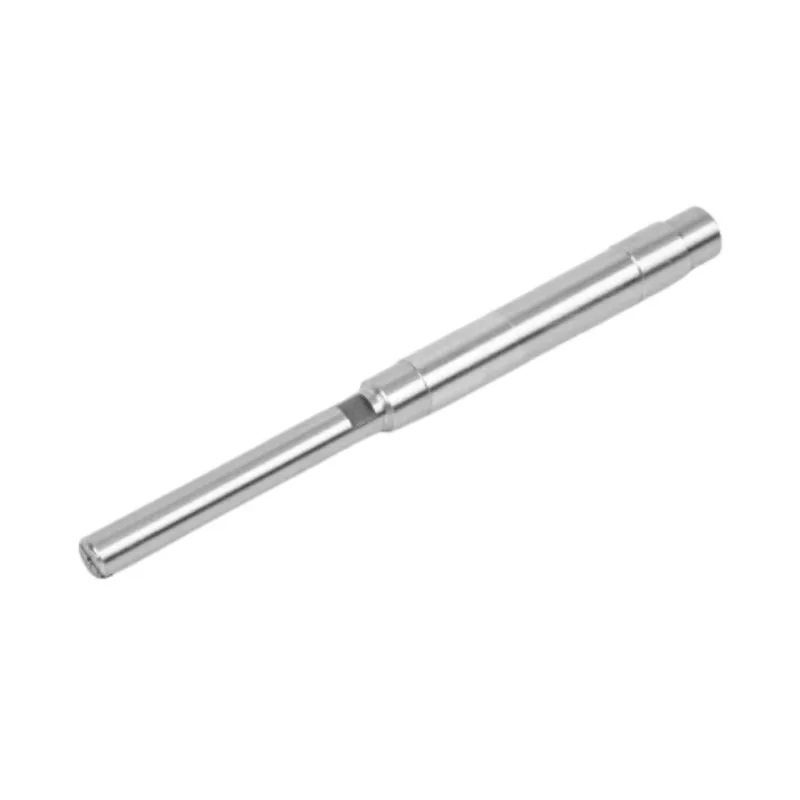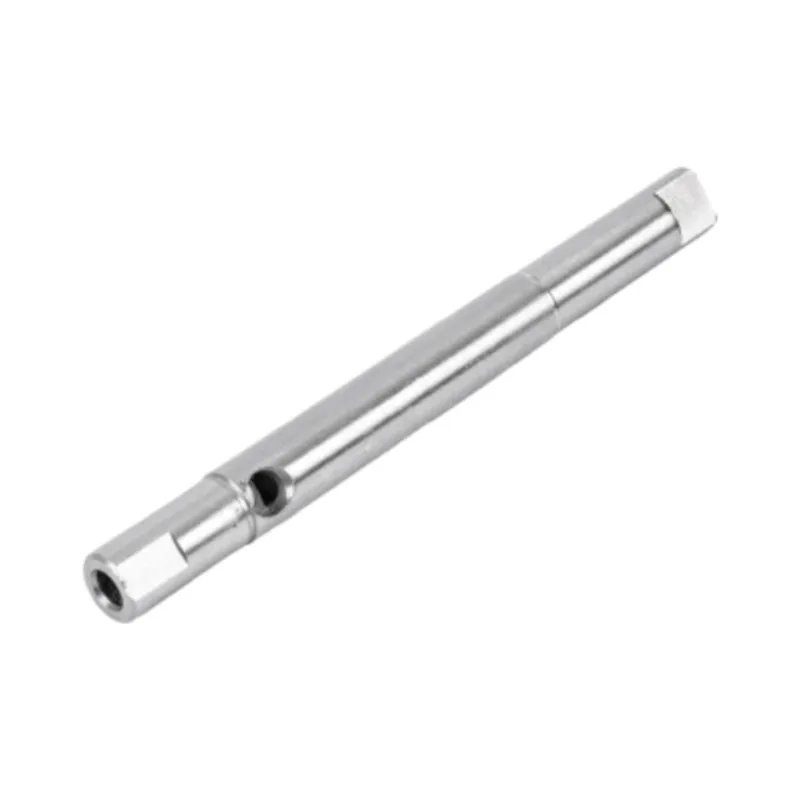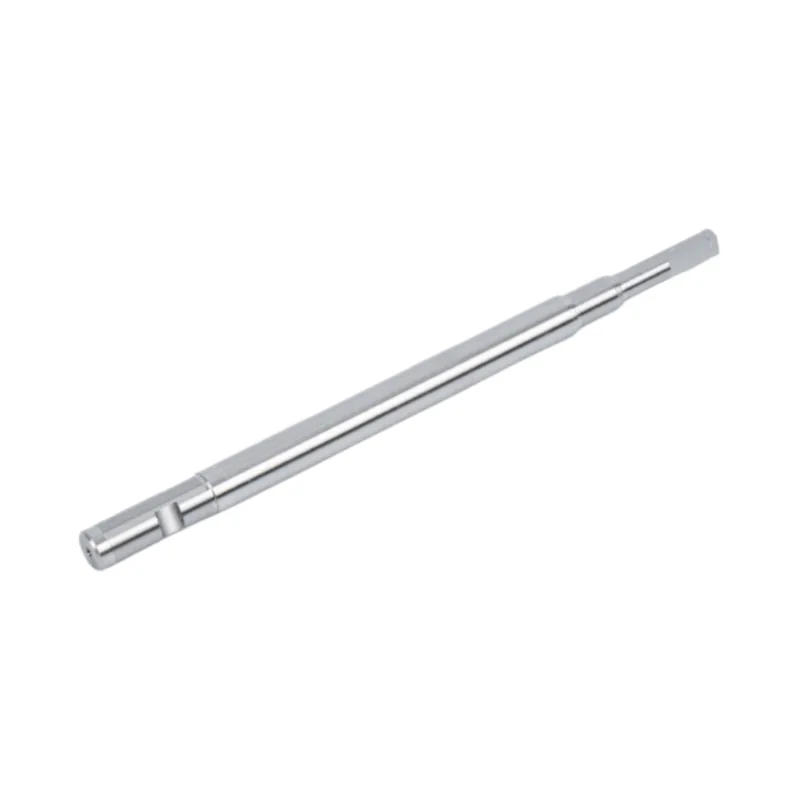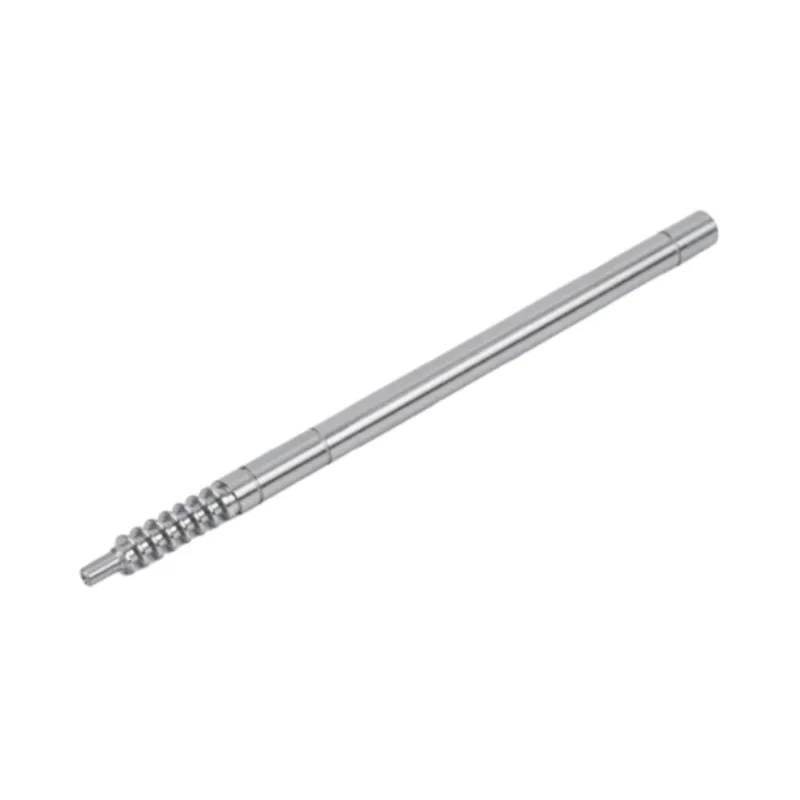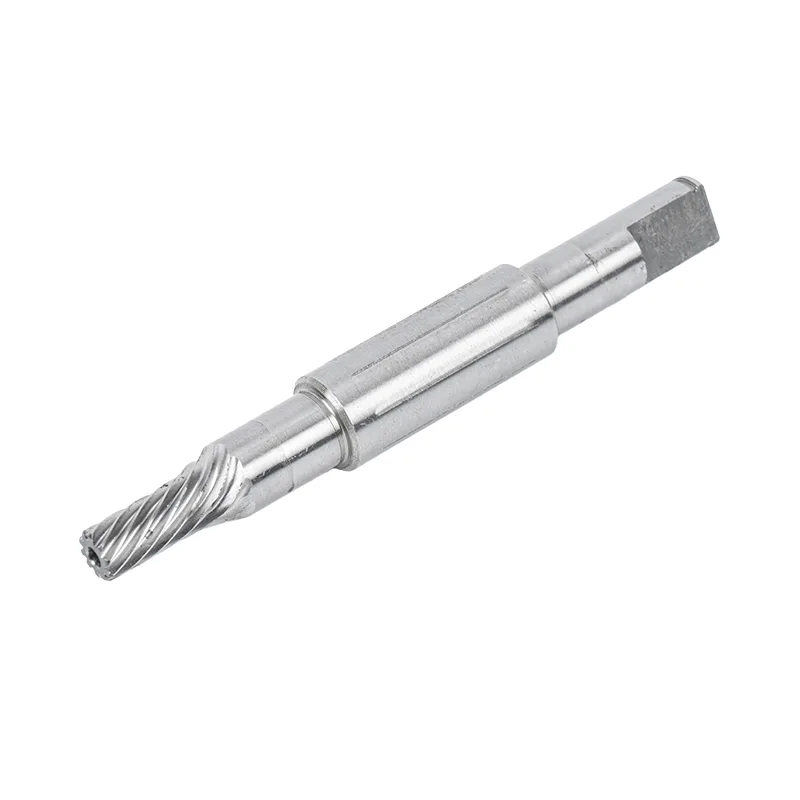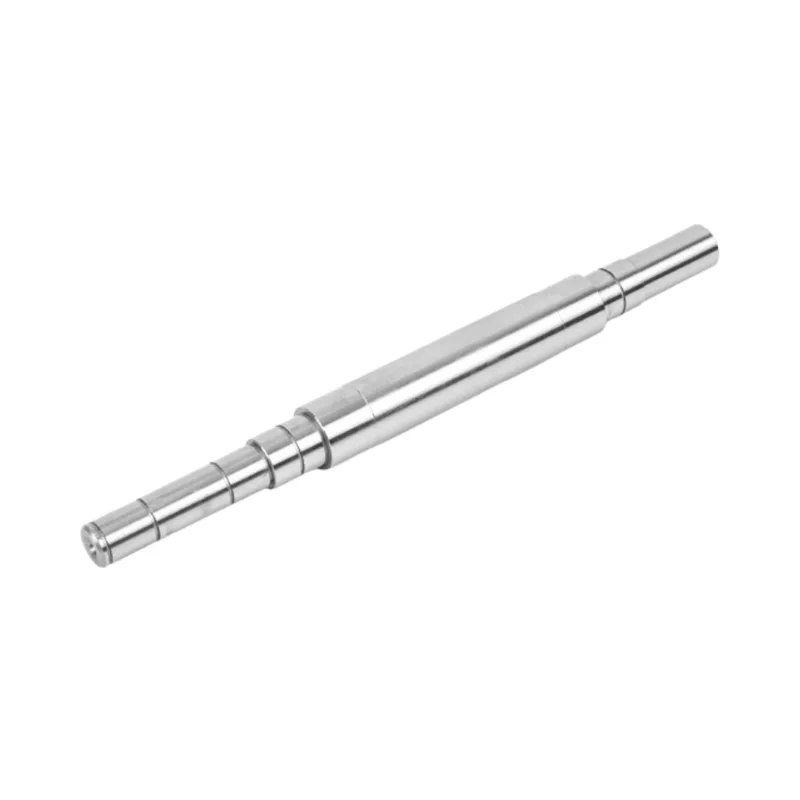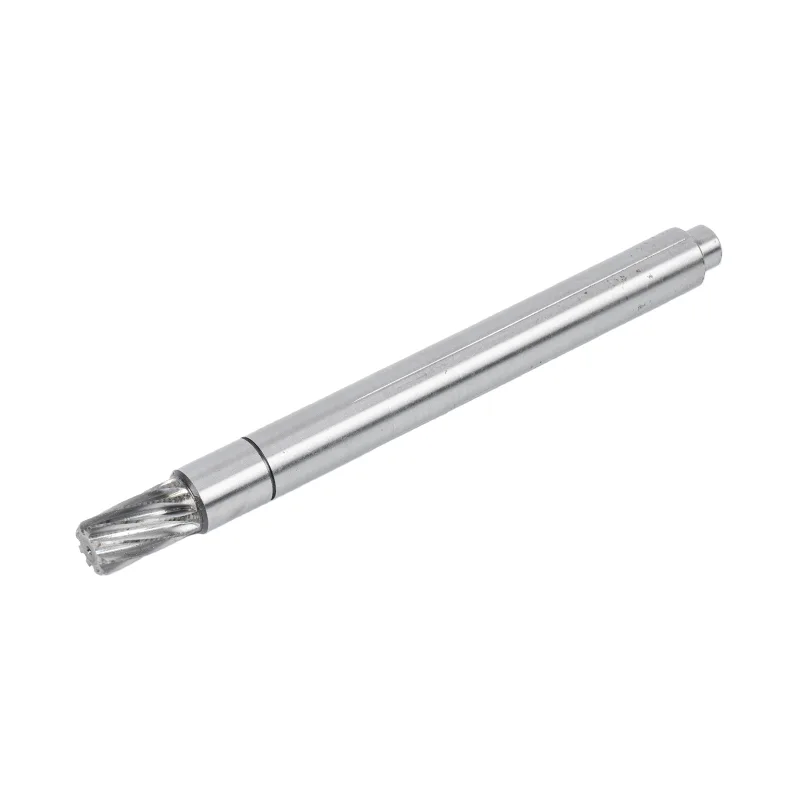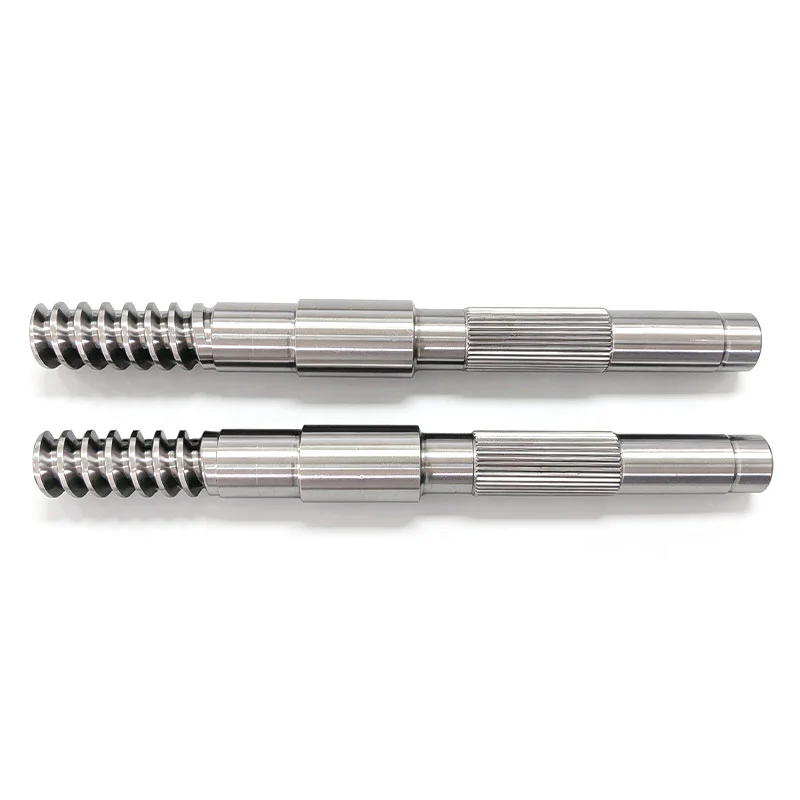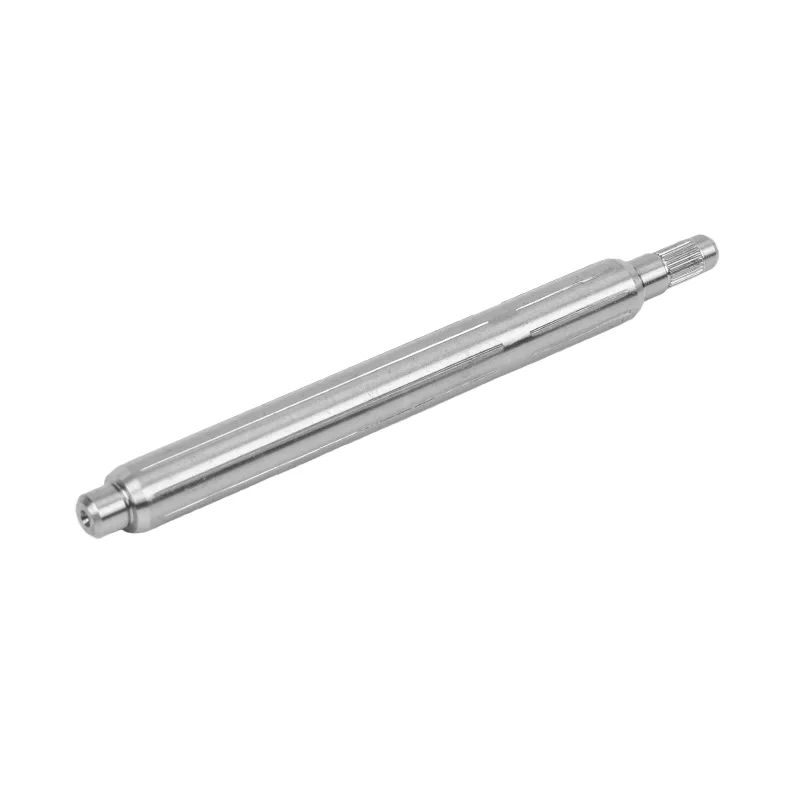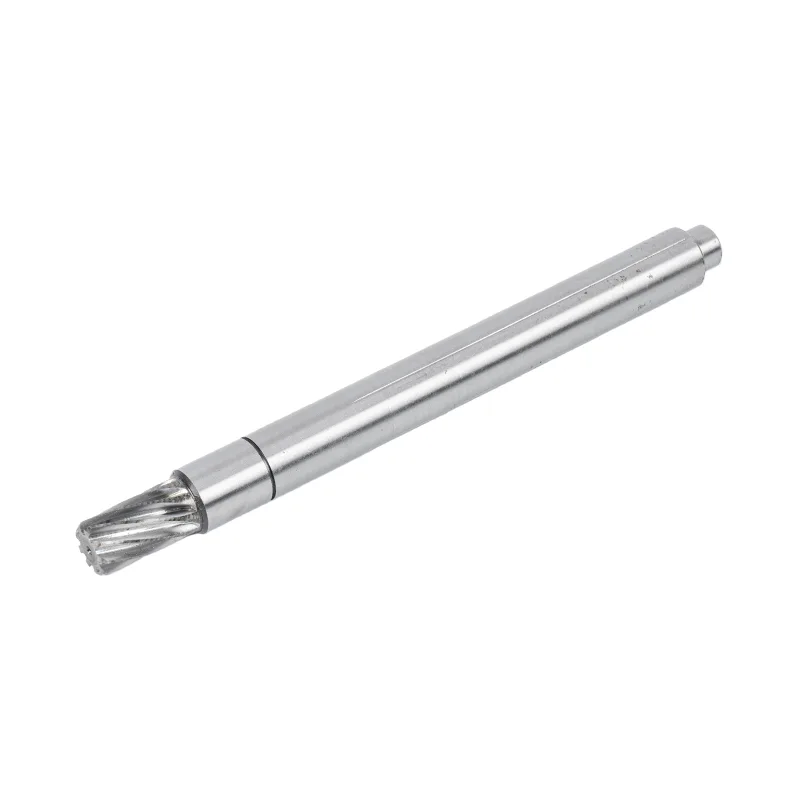
When sourcing rotating shafts for medical hardware, buyers often overlook sterilization compatibility. Ordinary industrial motor shafts will corrode or suffer surface damage after repeated high‑temperature steam and liquid disinfection. Sterilization Resistant Motor Shaft for Medical Equipment is engineered specifically for such cyclic exposure scenarios. Manufacturing follows practical feedback from medical equipment assembly and maintenance teams, focusing on material stability, surface integrity and machining accuracy rather than over‑specified unnecessary performance parameters.
Field feedback from equipment maintenance reveals several recurring failures for standard shafts used inside clinical devices. These practical problems define the core design targets for Sterilization Resistant Motor Shaft.
1. Surface layer failure: Conventional surface treatments flake off after dozens of autoclave cycles, introducing fine particles into device internal space.
2. Chemical corrosion: Frequent wiping with alcohol and iodophor creates micro‑pitting on shaft outer diameter, increasing friction and run‑out over operating time.
3. Tolerance drift: Thermal expansion and contraction during repeated sterilization gradually changes mating dimension, resulting in abnormal noise and assembly jitter.
4. Cross‑contamination risk: Ordinary lubricants degrade under disinfection conditions and may leach into clinical working chambers.
Sterilization Resistant Motor Shaft for Medical Equipment adopts base material and surface processing routes validated against cyclic disinfection conditions. Each processing step targets the above‑mentioned real‑world failure modes.
1. Base material selection: Medical‑grade stainless steel substrate with controlled impurity composition, lowering intergranular corrosion risk under alternating high‑temperature and chemical exposure.
2. Specialized surface finishing: Non‑plated modified surface treatment, avoiding coating delamination risk. Surface texture keeps stable after hundreds of steam sterilization cycles.
3. Precision grinding control: Critical mating surfaces hold tight dimensional tolerances. Radial run‑out is strictly controlled to reduce vibration accumulation during thermal cycling.
4. Dry‑run compatible structure: Designed to operate reliably without grease lubricant, eliminating lubricant decomposition risk in disinfection environment.
The table below contrasts Sterilization Resistant Motor Shaft against general‑purpose industrial motor shafts, highlighting practical differences relevant to medical device procurement.
| Item | Sterilization Resistant Motor Shaft for Medical Equipment | Standard Industrial Motor Shaft |
|---|---|---|
| Repeated autoclave adaptability | Stable after ≥200 cycles | Surface degradation after 20‑40 cycles |
| Resistance to alcohol / iodophor wiping | Minimal surface change | Gradual micro‑corrosion occurs |
| Preferred lubrication mode | Dry‑run, no grease required | Grease lubrication mandatory |
| Diameter tolerance for mating area | IT4‑IT5 | IT6‑IT7 |
| Radial run‑out (50 mm span) | ≤0.003 mm | ≤0.008‑0.012 mm |
| Surface roughness (functional surface) | Ra 0.1‑0.4 μm | Ra 0.4‑0.8 μm |
| Main applicable scenario | Medical instruments requiring frequent disinfection | General industrial equipment, no cyclic sterilization |
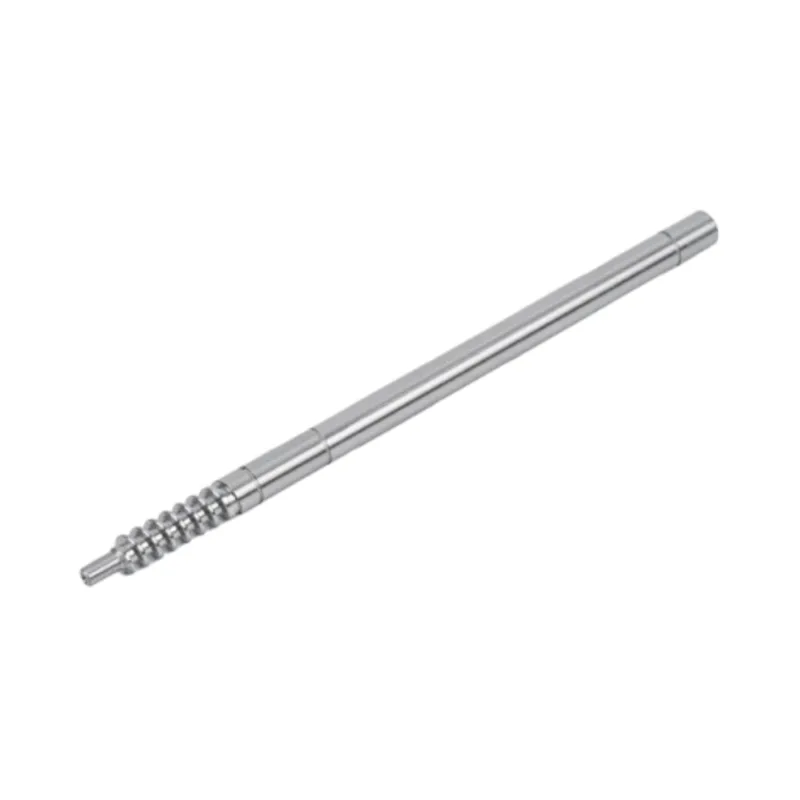
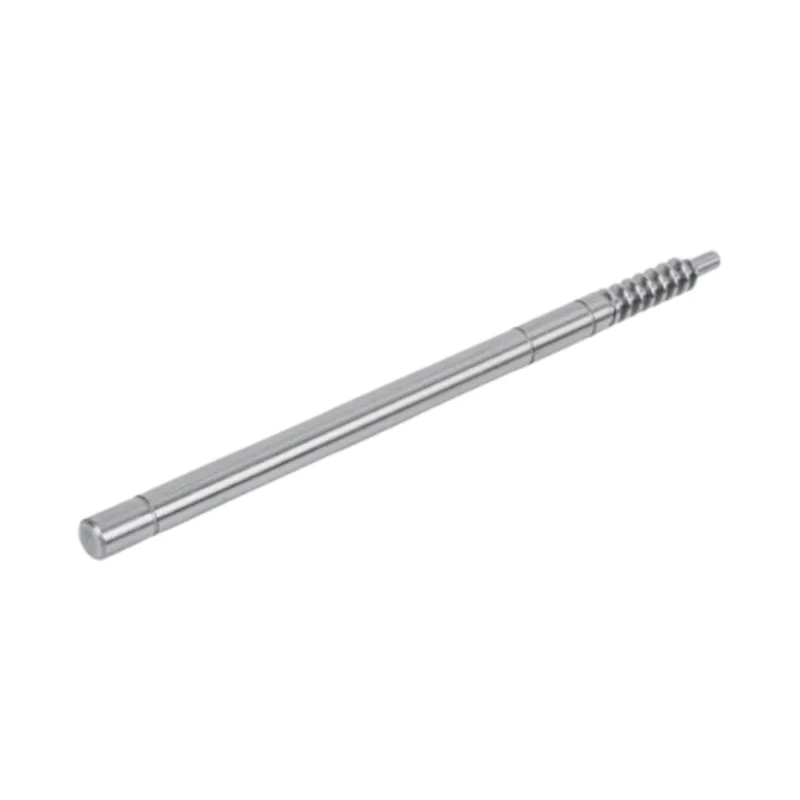
Sterilization Resistant Motor Shaft for Medical Equipment fits devices that go through regular disinfection during daily clinical use. It is not limited to large surgical machinery; many compact desktop diagnostic instruments also require this capability.
Biochemical analyzers, sample processing units, small‑size ultrasound equipment. Outer sections of rotating assemblies will be wiped repeatedly. Surface stability directly influences long‑term equipment uptime in lab environments.
Endoscope peripheral driving units, minimally‑invasive operating auxiliary mechanisms. Partial components may enter high‑temperature disinfection workflows together with tool sets.
Patient‑contact rehabilitation actuators inside rehabilitation robots. Surfaces must sustain frequent ward‑level disinfection without performance drift.
When specifying Sterilization Resistant Motor Shaft in drawings or RFQ documents, several practical details need clear communication with the manufacturer to avoid later mismatches.
1. Define disinfection method and estimated cycles: Clarify whether autoclave steam, alcohol wiping, mixed disinfection will apply, and approximate cycle count. This helps manufacturer confirm suitable surface treatment solution.
2. Mark dry‑operation requirement: Explicitly note if assembly works without lubricant; ordinary shaft surface configuration cannot support long‑term dry friction.
3. Specify critical tolerance sections: Not every shaft segment needs ultra‑high precision. Only mark mating and rotating working surfaces with tight tolerance to control production cost reasonably.
4. Submit actual operating temperature range: Temperature fluctuation range during sterilization and normal running affects material matching assessment.
Finished‑part inspection covers dimensional metrology and simulated disinfection ageing check. Dimensional inspection includes run‑out, coaxiality and surface roughness measurement. Simulated cyclic disinfection test exposes samples to repeated steam and chemical wiping, then re‑check surface condition and dimension change. Material certificates and batch inspection records can be provided for buyer internal document archiving.
A: Under normal usage, Sterilization Resistant Motor Shaft for Medical Equipment does not require additional oil or protective coating. Operate according to your device disinfection procedure. Observe for abnormal noise or jitter during routine equipment maintenance.
A: Yes. Even without high‑temperature steam, repeated chemical disinfection still creates corrosion risk for ordinary shafts. This shaft offers stable performance for alcohol‑only disinfection scenarios.
A: Most mechanical dimensions can keep unchanged. Only surface treatment and material specification need adjustment. Our engineering team will review your drawing and point out items that need revision for disinfection resistance.
A: Watch for increased operating noise, obvious jitter during rotation, visible surface pitting, or dimension shift leading to assembly sticking. These signs mean the shaft has reached service limit under disinfection cycles.
A: Diameter range covers φ0.8 mm‑φ30 mm. Complex step structure, pin holes and flat‑cut features can be processed. Inform us of your maximum overall length and structural features in RFQ.
Share your operating conditions, disinfection mode, drawings or key dimension requirements for Sterilization Resistant Motor Shaft for Medical Equipment. Our engineering team will review practical constraints and provide corresponding technical feedback for your medical device project.