
- Understanding Hydraulic Transmission Components
- How Precision Shafts Support Hydraulic Motor Operation
- Key Design Factors for Industrial Applications
- Materials and Manufacturing Considerations
- Applications Across Different Industries
- Maintenance Practices for Long-Term Reliability
- Frequently Asked Questions
Understanding Hydraulic Transmission Components
Hydraulic systems convert fluid pressure into mechanical movement through a combination of pumps, motors, valves, and transmission components. Each part must work together accurately because even minor dimensional differences can influence overall system stability.
Among these components, shafts serve as critical mechanical connectors. They transfer rotational force generated by hydraulic motors to external equipment while maintaining alignment and durability during continuous operation.
Modern industrial equipment increasingly requires components that can handle heavy loads, variable speeds, and complex operating conditions. The shaft design must therefore consider factors including torque capacity, surface treatment, dimensional accuracy, and compatibility with hydraulic motor structures.
Role of Mechanical Transmission in Hydraulic Systems
A hydraulic motor converts hydraulic energy into rotary motion. The generated movement needs to be transferred efficiently to connected machinery, and the transmission shaft provides this essential connection point.
- Transfers rotational force from hydraulic motors to mechanical assemblies
- Maintains stable alignment between connected components
- Supports continuous operation under different load conditions
- Helps improve equipment reliability through precise engineering
Why Precision Matters in Industrial Motion Systems
Precision manufacturing is important because hydraulic equipment often operates under high pressure and repetitive movement. A properly designed shaft reduces unnecessary vibration, improves mechanical balance, and supports consistent performance.
Manufacturers usually evaluate shaft geometry, hardness, tolerance control, and surface finishing to ensure compatibility with hydraulic applications. These factors directly influence operational stability and equipment lifespan.
How Precision Shafts Support Hydraulic Motor Operation
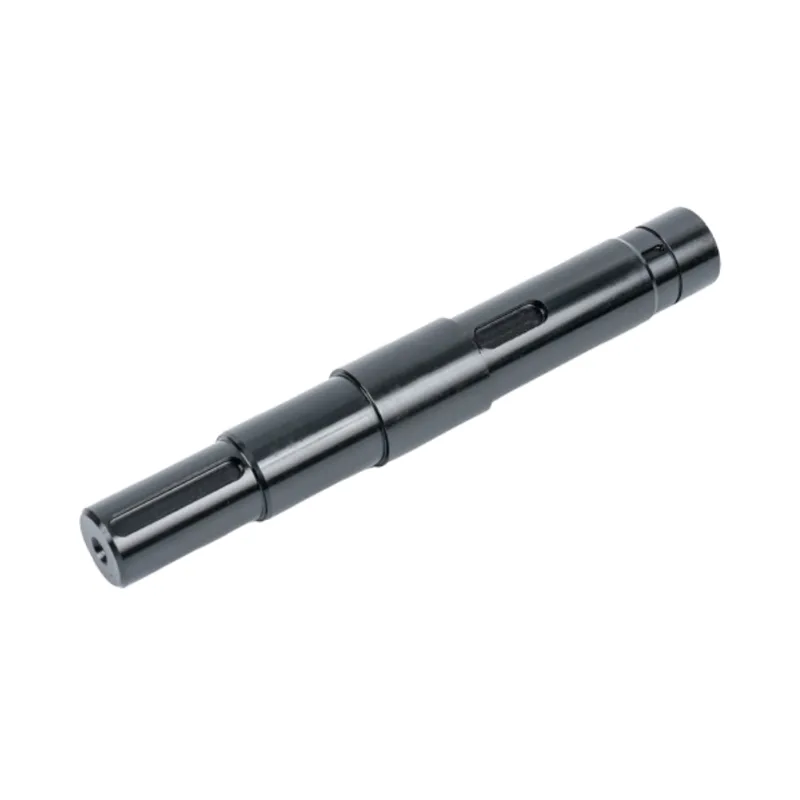
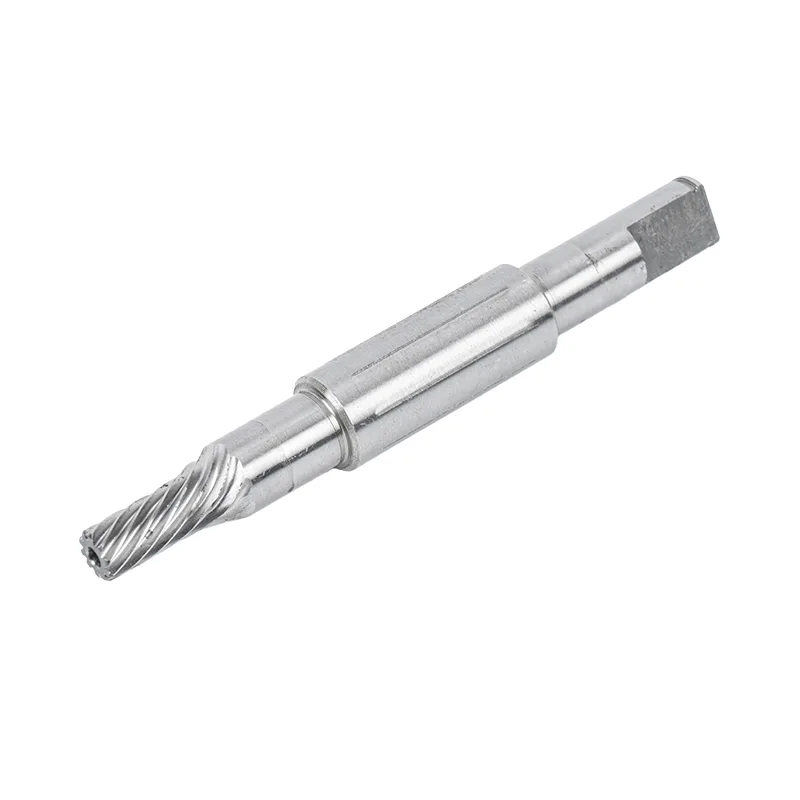
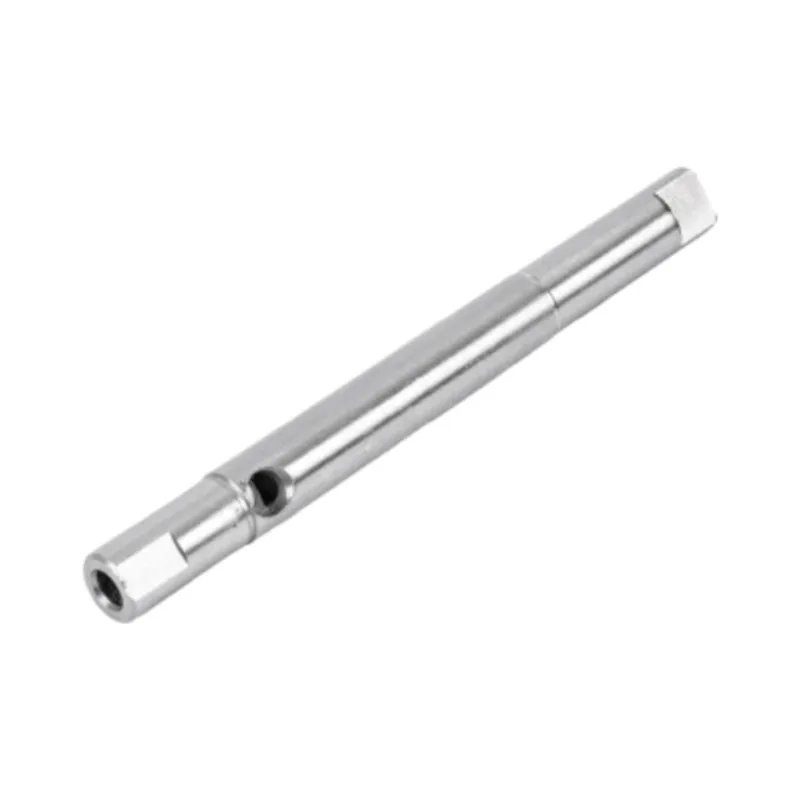
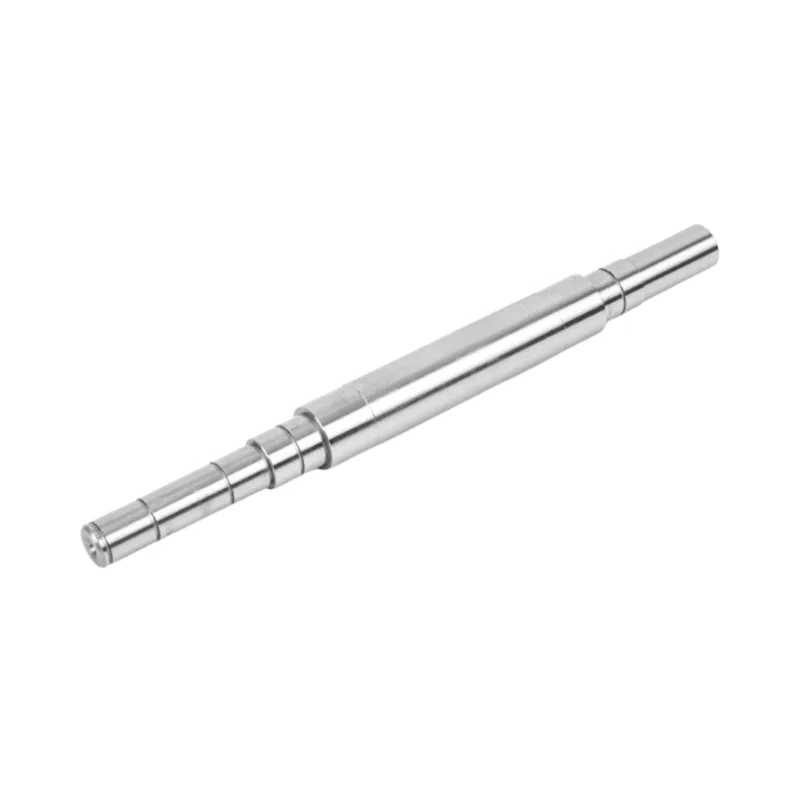
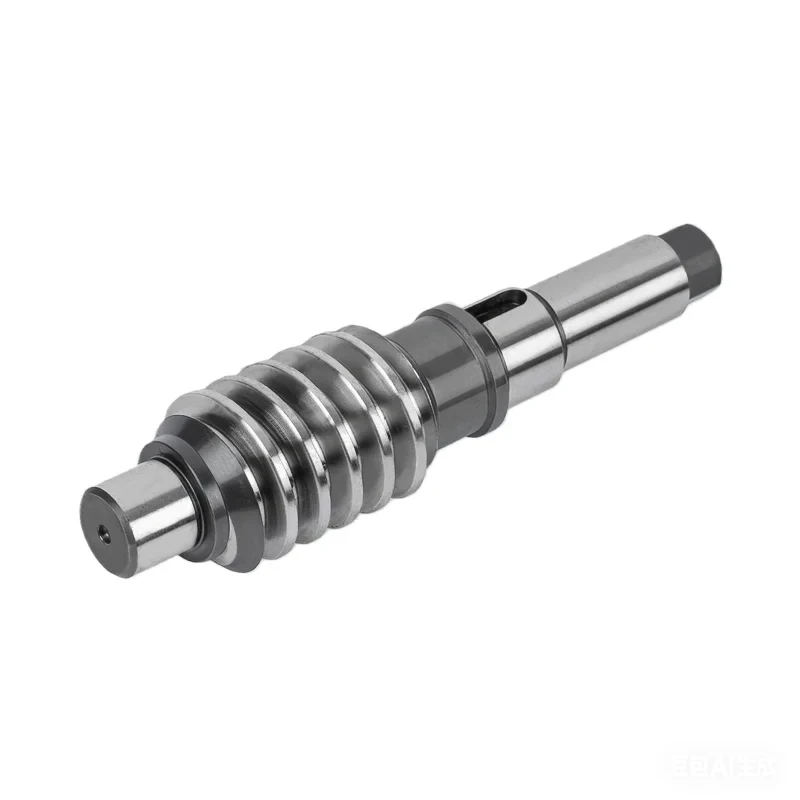
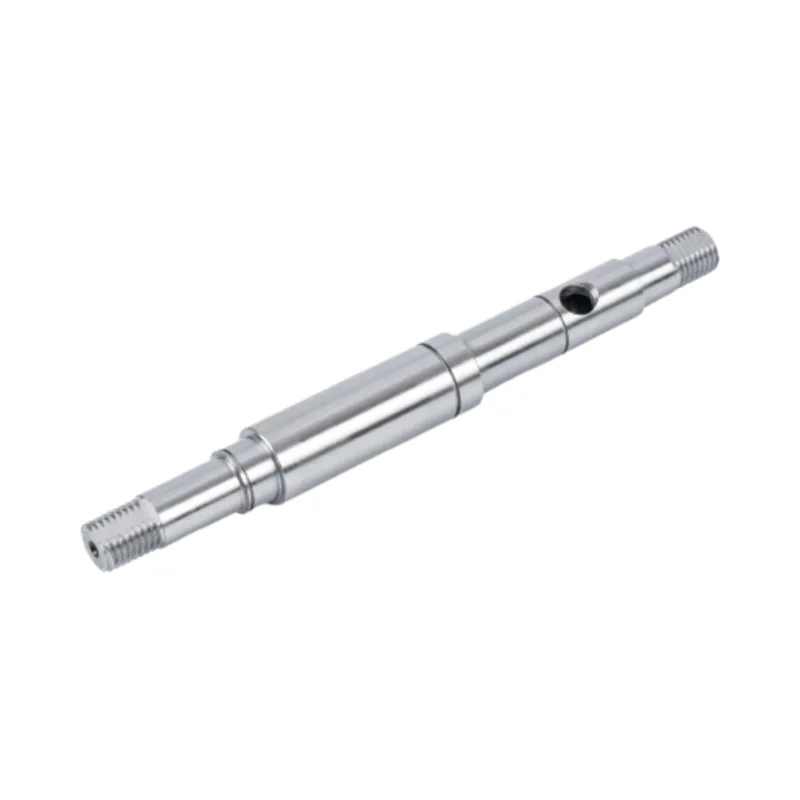
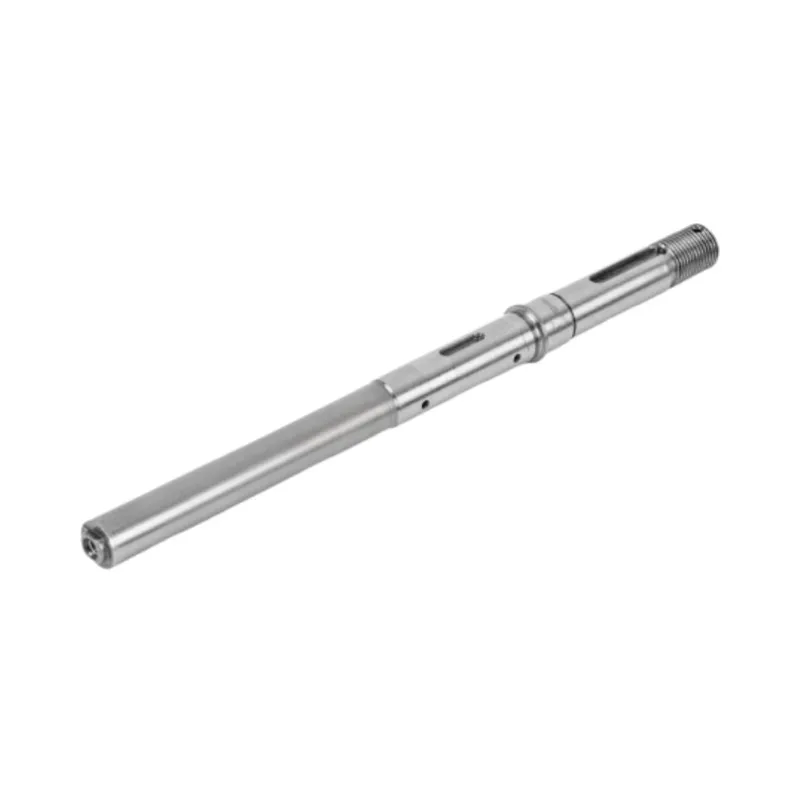
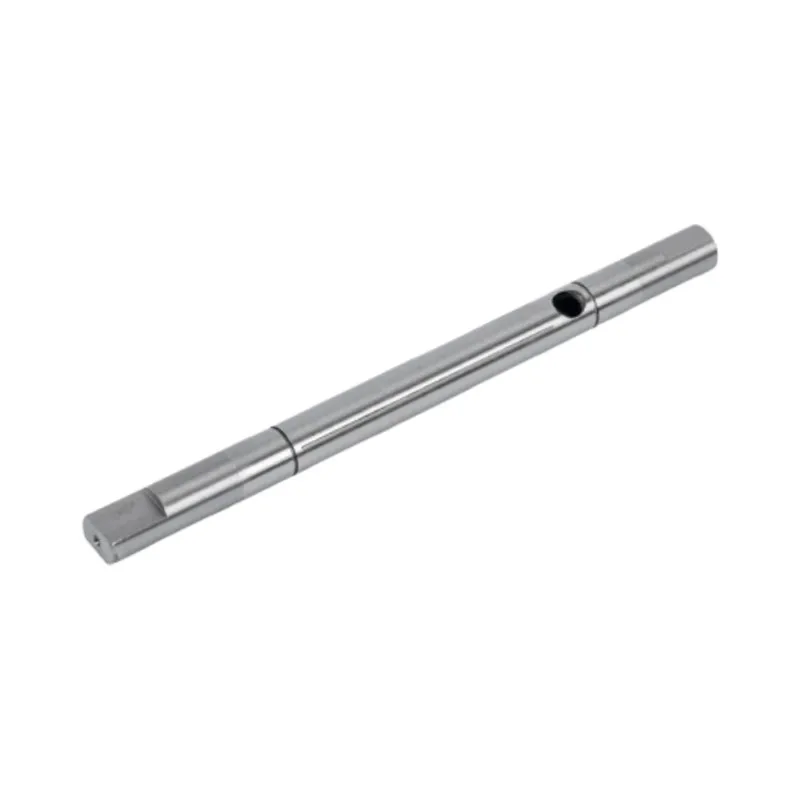
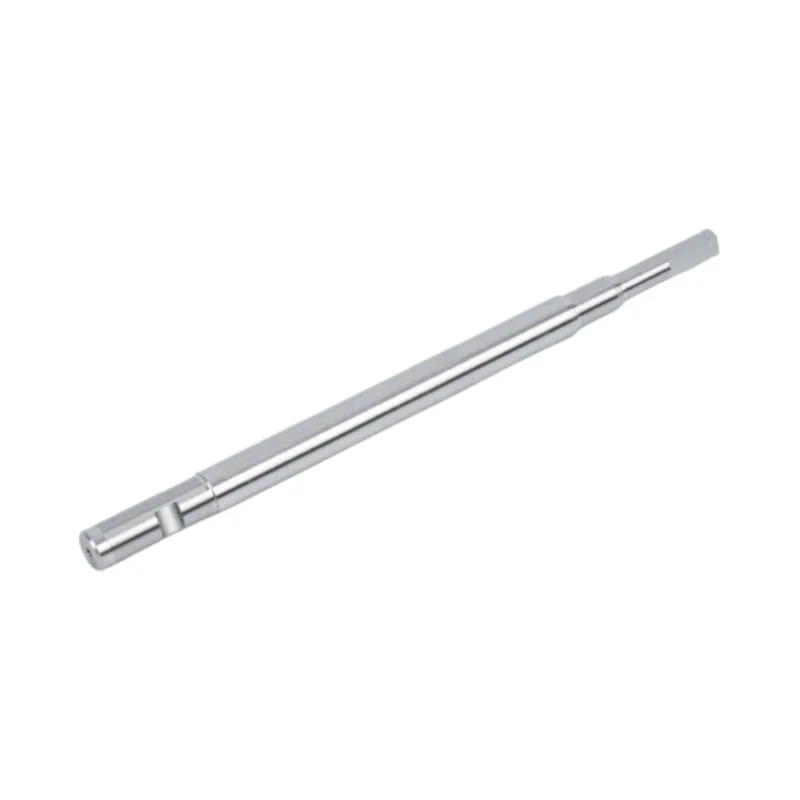
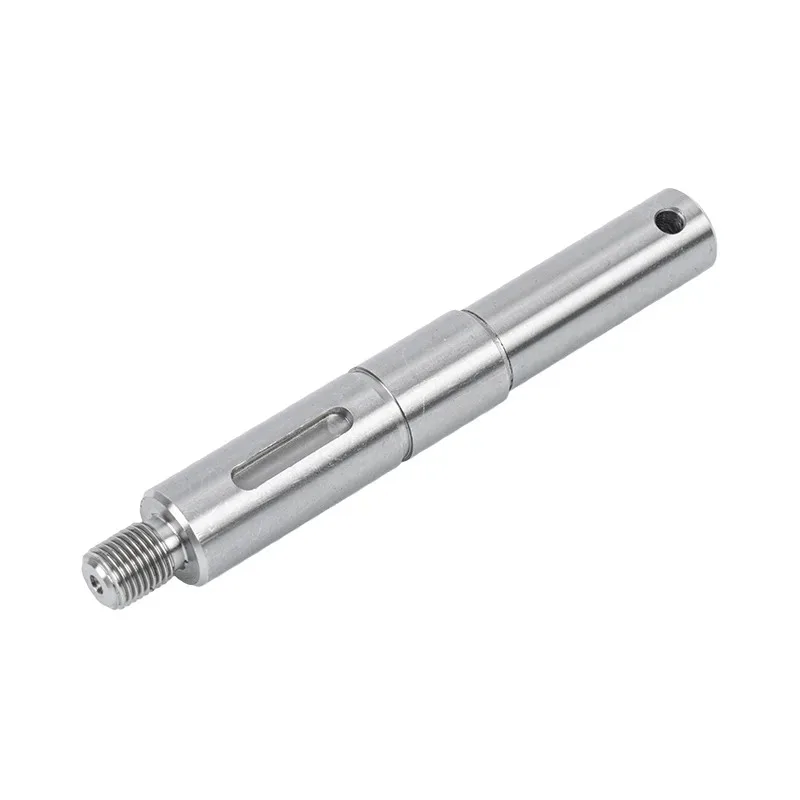
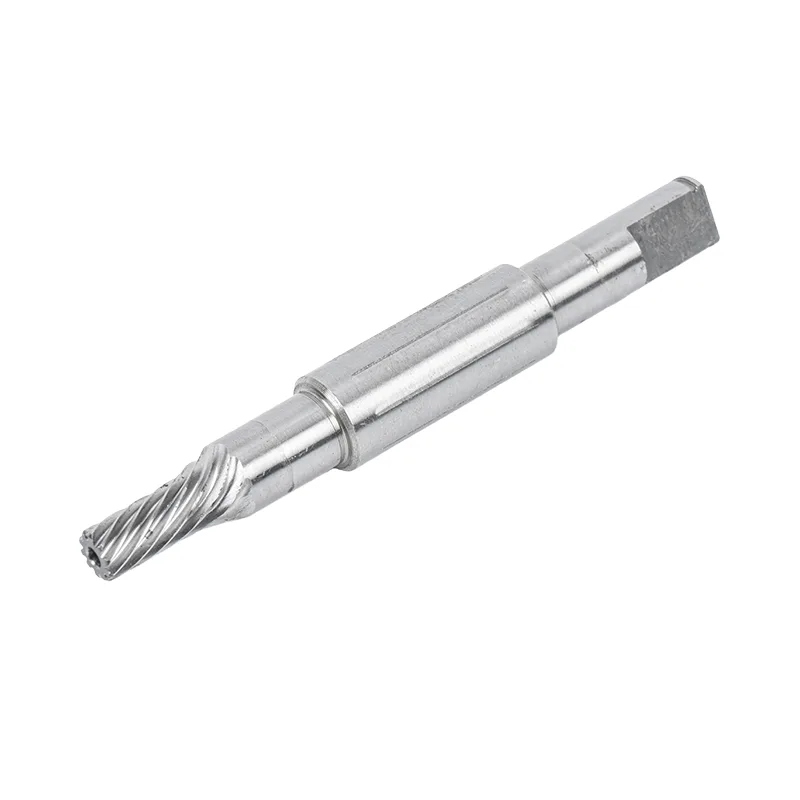
The connection between hydraulic motors and mechanical equipment requires a component capable of handling rotational stress while maintaining accurate positioning. A Hydraulic Driven Motor Shaft is designed specifically for this purpose, allowing hydraulic systems to deliver controlled mechanical movement.
Mechanical Structure and Functional Characteristics
The shaft structure is normally developed according to application requirements, including motor type, operating environment, load conditions, and connection method. Engineers analyze these elements before selecting suitable dimensions and manufacturing processes.
| Design Element | Functional Importance | Application Benefit |
|---|---|---|
| Shaft Diameter | Determines load-bearing capability and connection compatibility | Supports stable power transmission |
| Surface Treatment | Improves resistance against wear and friction | Enhances operational durability |
| Dimensional Accuracy | Maintains proper component alignment | Reduces vibration and mechanical stress |
| Material Selection | Affects strength and environmental resistance | Allows adaptation to different working conditions |
Interaction Between Hydraulic Pressure and Mechanical Output
Hydraulic motors depend on controlled fluid pressure to generate rotation. The shaft transfers this rotational energy while maintaining structural integrity under dynamic forces.
For heavy-duty applications, shaft performance depends on several engineering factors, including fatigue resistance, load distribution, and connection precision. These characteristics help hydraulic equipment maintain stable operation during extended working cycles.
Key Design Factors for Industrial Applications
Industrial hydraulic equipment operates in environments where mechanical components must withstand repeated loads, vibration, and changing operating conditions. Selecting the correct shaft design requires a comprehensive understanding of application requirements, equipment structure, and operational demands.
A well-designed transmission component improves motion accuracy and helps hydraulic machinery maintain consistent performance. Engineers consider multiple factors during the development process, including load capacity, connection method, rotation speed, and environmental exposure.
Load Capacity and Torque Requirements
Torque transmission is one of the most important functions of hydraulic motor connection components. The shaft must maintain sufficient strength to transfer rotational force without deformation or premature failure.
- Suitable diameter selection according to mechanical load requirements
- Optimized structure to distribute stress evenly
- Reliable connection between hydraulic motor and driven equipment
- Improved resistance against repeated operational forces
Dimensional Accuracy and Manufacturing Precision
Precision machining plays a major role in hydraulic transmission performance. Small dimensional deviations may affect assembly accuracy, increase friction, or create unnecessary mechanical stress.
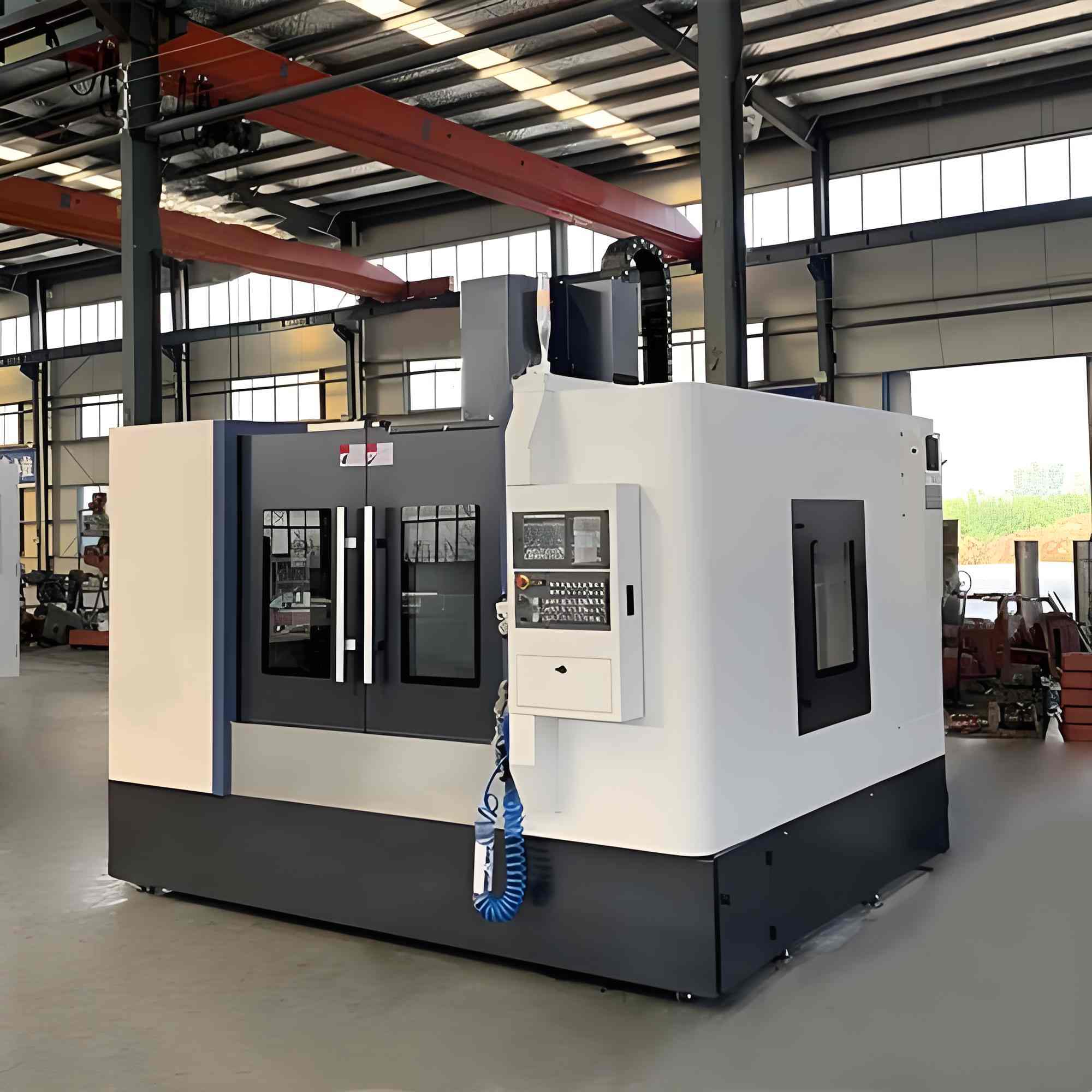
Advanced manufacturing methods allow manufacturers to achieve accurate tolerances and consistent product quality. Careful machining processes help ensure that shafts meet the requirements of different hydraulic motor systems.
Environmental Adaptability
Hydraulic equipment is commonly used in construction machinery, agricultural machines, industrial automation systems, and other demanding environments. Components must be designed to withstand factors such as dust, moisture, temperature variation, and continuous operation.
| Operating Environment | Common Challenges | Design Consideration |
|---|---|---|
| Heavy Industrial Equipment | High mechanical stress and continuous operation | Enhanced structural strength and durability |
| Mobile Machinery | Vibration and changing working conditions | Improved fatigue resistance and stability |
| Automation Systems | Need for precise movement control | Higher machining accuracy |
| Outdoor Applications | Exposure to moisture and contaminants | Suitable surface protection solutions |
Materials and Manufacturing Considerations
Material selection directly affects mechanical performance, wear resistance, and service reliability. Different hydraulic applications require different material characteristics depending on operating conditions and performance expectations.
Common Material Characteristics
Engineering teams typically evaluate several material properties before manufacturing transmission components. These properties determine whether the component can maintain stability during long-term operation.
- High mechanical strength for torque transmission
- Good fatigue resistance under repeated loading
- Suitable hardness for wear protection
- Stable performance under industrial environments
Manufacturing Processes for Reliable Performance
Manufacturing accuracy influences the final performance of hydraulic components. Processes such as precision machining, heat treatment, and surface finishing are commonly applied to improve mechanical characteristics.
Each production stage requires careful control because surface quality, dimensional consistency, and structural integrity directly influence the reliability of the finished component.
Quality Control During Production
A complete quality management process helps ensure that each component meets required technical specifications. Inspection procedures may include dimensional measurement, surface analysis, and functional testing.
| Inspection Stage | Purpose | Quality Focus |
|---|---|---|
| Material Inspection | Verify incoming material characteristics | Strength and consistency |
| Machining Inspection | Check manufacturing accuracy | Dimensions and tolerances |
| Surface Inspection | Evaluate finishing quality | Wear resistance and smoothness |
| Final Inspection | Confirm product performance | Overall reliability |
Applications Across Different Industries
Hydraulic drive systems are widely used because they provide strong power transmission capabilities and flexible control. Precision shafts are essential components in many industries where reliable rotary movement is required.
Construction Equipment
Construction machinery often works under high loads and challenging conditions. Hydraulic systems provide powerful movement control for equipment such as excavators, loaders, and other heavy machines.
In these applications, transmission components need excellent durability and accurate power transfer capabilities to support continuous operation.
Agricultural Machinery
Agricultural equipment requires dependable hydraulic systems for functions including movement control, lifting mechanisms, and rotary operations.
Components used in agricultural machinery must adapt to outdoor environments while maintaining stable mechanical performance throughout different working seasons.
Industrial Automation Equipment
Automation systems require precise movement and repeatable performance. Hydraulic components can provide controlled motion for industrial equipment where accuracy and reliability are important.
The use of high-quality transmission parts helps maintain smooth operation and supports efficient mechanical coordination between different system components.
Maintenance Practices for Long-Term Reliability
Proper maintenance helps hydraulic equipment maintain stable performance and reduces unexpected operational problems. Regular inspection allows operators to identify potential issues before they influence system operation.
Recommended Maintenance Methods
- Regularly inspect connection areas for abnormal wear
- Monitor operating conditions and unusual vibration patterns
- Maintain proper lubrication according to equipment requirements
- Check alignment between connected mechanical components
- Follow recommended inspection schedules
Signs That Components Require Attention
Operators should pay attention to changes in equipment performance. Increased vibration, unusual noise, unstable movement, or reduced operational smoothness may indicate that mechanical components need inspection.
| Observed Condition | Possible Cause | Suggested Action |
|---|---|---|
| Increased vibration | Alignment or wear issues | Inspect connection accuracy |
| Unusual operating noise | Mechanical friction or damage | Check component condition |
| Reduced movement stability | Transmission efficiency problems | Evaluate system components |
Frequently Asked Questions
What is the main function of a hydraulic motor shaft?
Why is precision important for hydraulic transmission components?
Which industries commonly use hydraulic motor transmission systems?
How can hydraulic components maintain reliable performance?
Choosing the Right Hydraulic Transmission Solution
Selecting suitable hydraulic transmission components requires careful consideration of equipment requirements, operating conditions, and long-term performance expectations. A reliable component should not only match the mechanical structure but also provide stable operation under different working environments.
Engineers need to evaluate factors such as load conditions, installation requirements, material characteristics, and manufacturing precision before choosing the appropriate solution. A complete understanding of these elements helps create hydraulic systems with better reliability and operational consistency.
Important Factors Before Selection
- Compatibility with the hydraulic motor and connected equipment
- Appropriate mechanical strength for the expected working load
- Accurate dimensions for smooth installation and operation
- Suitable surface treatment for specific working environments
- Reliable manufacturing quality and technical support
Supporting Efficient Hydraulic System Development
Modern industries continue to demand hydraulic systems with improved precision, durability, and adaptability. Transmission components must evolve together with equipment requirements to support more advanced mechanical applications.
A properly engineered Hydraulic Driven Motor Shaft contributes to smoother power transmission, improved mechanical coordination, and dependable operation in various industrial fields.
Future Trends in Hydraulic Transmission Technology
Hydraulic technology continues to develop with increasing attention toward precision manufacturing, intelligent equipment integration, and improved component reliability. Manufacturers are focusing on optimizing component structures to meet the changing needs of modern machinery.
Integration with Advanced Manufacturing Technologies
Advanced machining technologies allow manufacturers to achieve higher accuracy and improved consistency. Digital production management, automated inspection systems, and precision processing methods are becoming increasingly important in component manufacturing.
These improvements support the development of hydraulic systems that deliver smoother operation and stronger adaptability across different industries.
Growing Demand for Reliable Industrial Components
As industrial equipment becomes more sophisticated, every transmission component must provide dependable performance. High-quality mechanical parts help ensure that hydraulic systems can operate efficiently in demanding applications.
- Higher requirements for machining accuracy
- Greater attention to component durability
- Improved compatibility with modern machinery
- More focus on stable long-term operation
Conclusion
Hydraulic transmission systems depend on the precise cooperation of multiple mechanical components. From power conversion to rotary movement transmission, every part influences overall equipment performance.
Understanding structural design, material characteristics, manufacturing processes, and application requirements helps users select more suitable hydraulic solutions. With continuous improvements in engineering technology, reliable transmission components will continue to support industrial equipment development across various sectors.
As a professional manufacturer specializing in precision mechanical components, Guanshuo focuses on providing reliable manufacturing solutions designed to meet different industrial application requirements.
Need Professional Hydraulic Component Support?
Whether you are developing new equipment or improving existing hydraulic systems, our team can provide technical assistance and suitable solutions based on your application requirements.
Contact Us