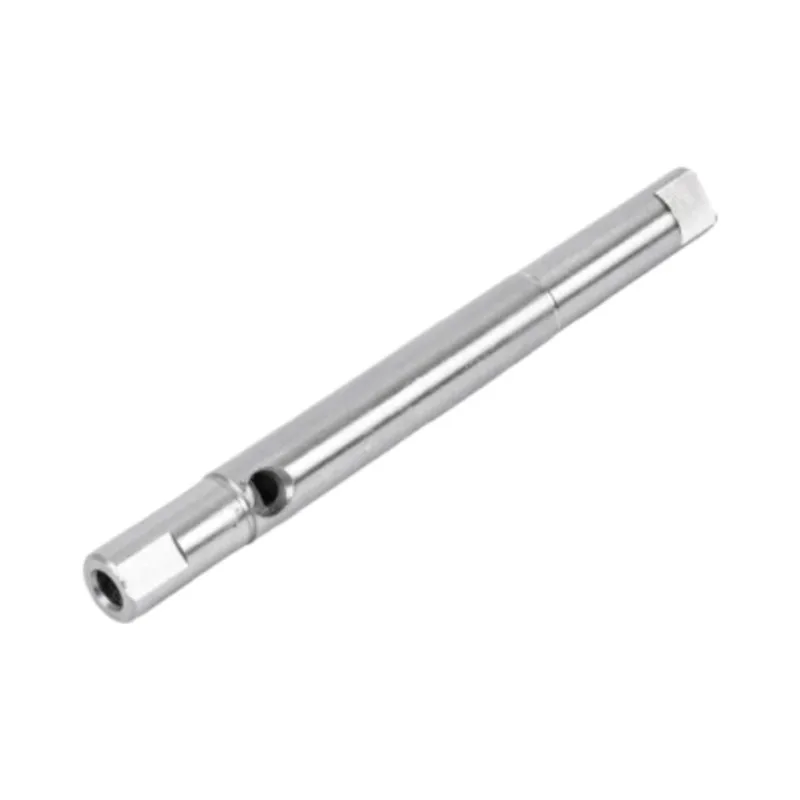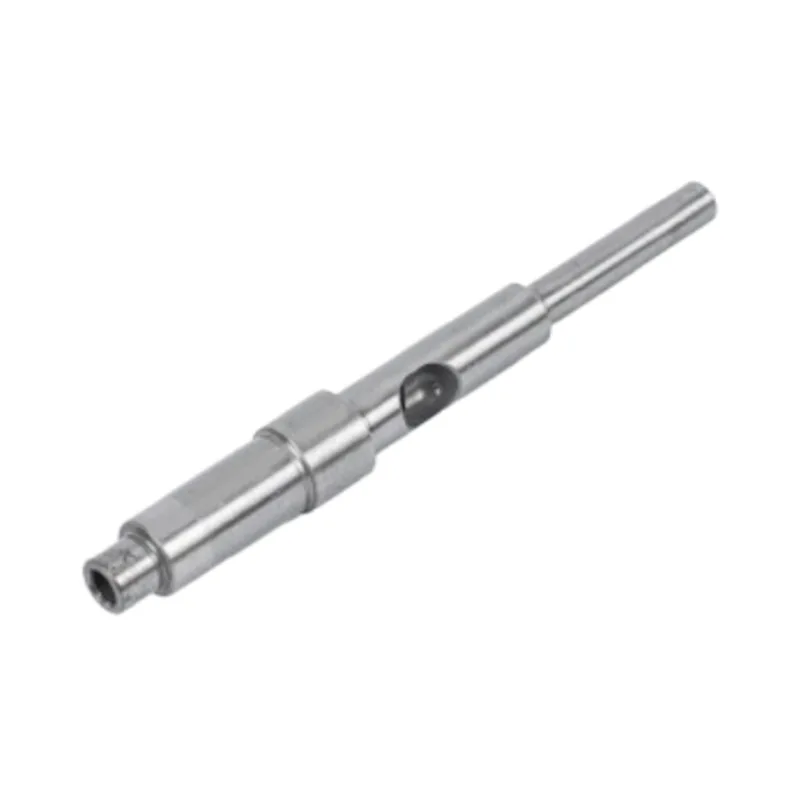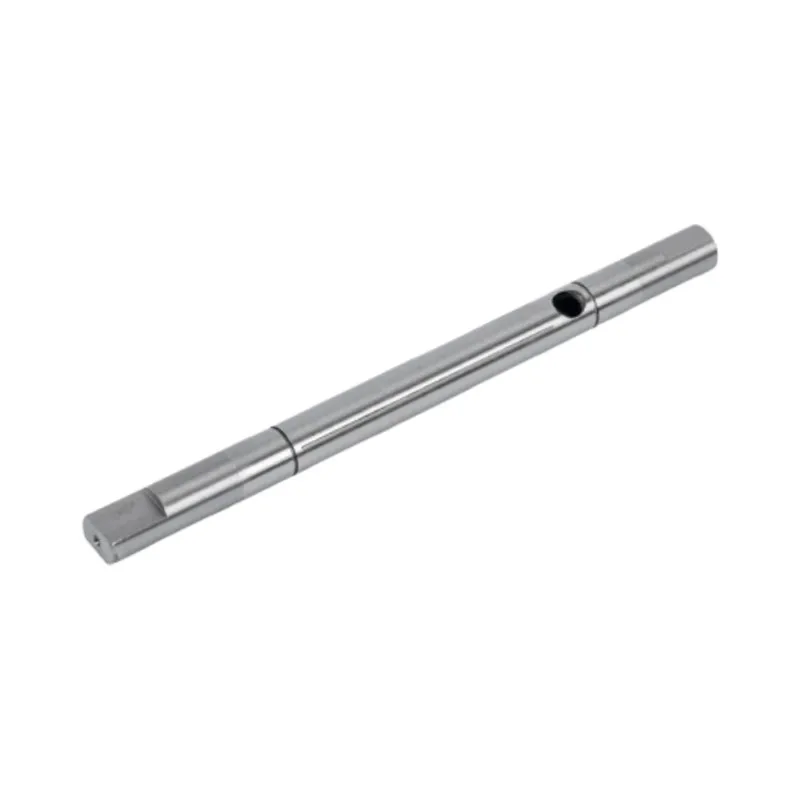

1. The Metallurgical Foundation of Stainless Steel Smooth Motor Shaft
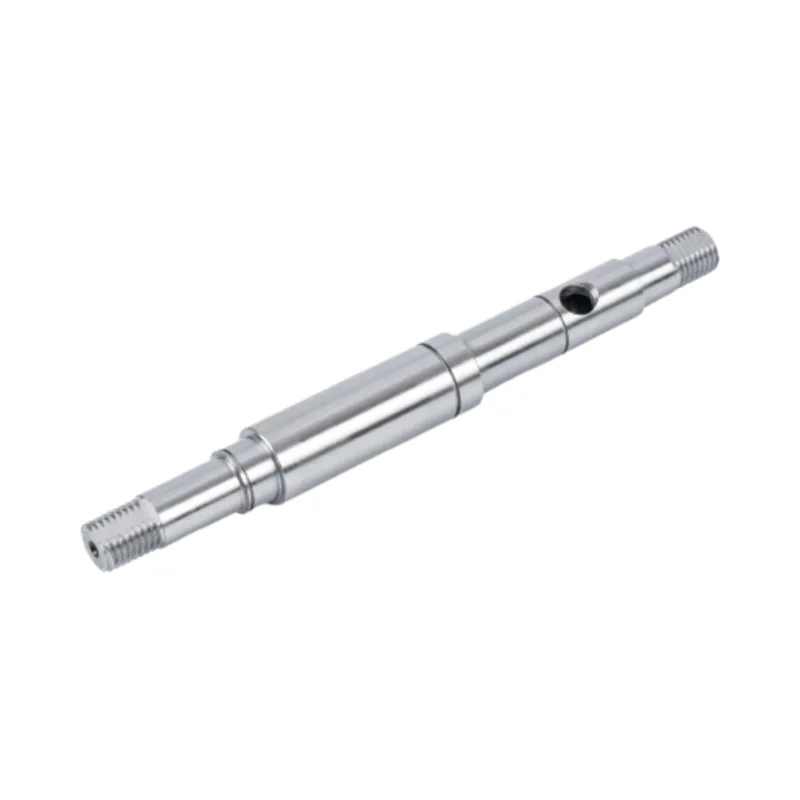
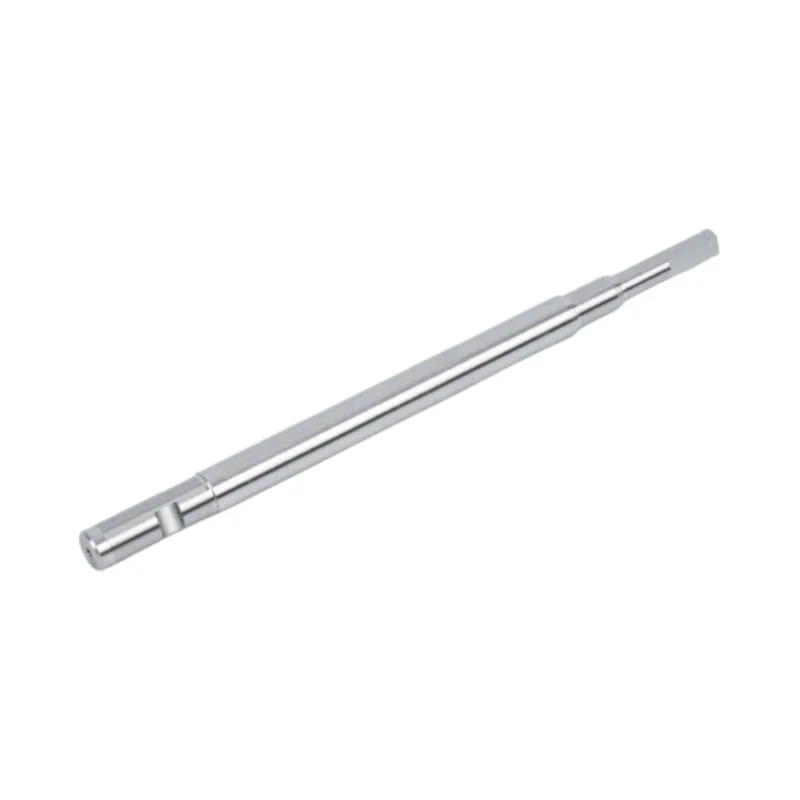
The performance of any motor-driven system begins with the rotating element that transmits torque from the rotor to the load. A Stainless Steel Smooth Motor Shaft is not merely a cylindrical rod; it is a precision-engineered component whose metallurgical properties directly influence efficiency, longevity, and positional accuracy. Stainless steel, as a material family, offers an exceptional balance of mechanical strength, corrosion resistance, and machinability — qualities that are indispensable for shafts operating in both clean-room environments and harsh industrial settings.
The selection of the appropriate stainless steel grade for a motor shaft depends on the specific operating conditions. Austenitic grades such as 304 and 316 provide outstanding corrosion resistance and are widely used in food processing, medical devices, and marine applications. Martensitic grades like 420 and 440C, on the other hand, offer higher hardness and wear resistance, making them suitable for high-load or high-speed applications where surface durability is paramount. The microstructure of these alloys — whether face-centered cubic (FCC) for austenitic or body-centered tetragonal (BCT) for martensitic — determines their response to heat treatment, cold working, and machining operations.
Beyond the base alloy, the Stainless Steel Smooth Motor Shaft derives its functional superiority from controlled processing that refines grain structure and eliminates internal stresses. Vacuum degassing and electroslag remelting (ESR) are advanced refining techniques that reduce non-metallic inclusions, resulting in a cleaner steel with improved fatigue resistance. For shafts subjected to cyclic loading — such as those in servo motors or robotic actuators — this metallurgical purity translates directly into extended service life and predictable failure modes.
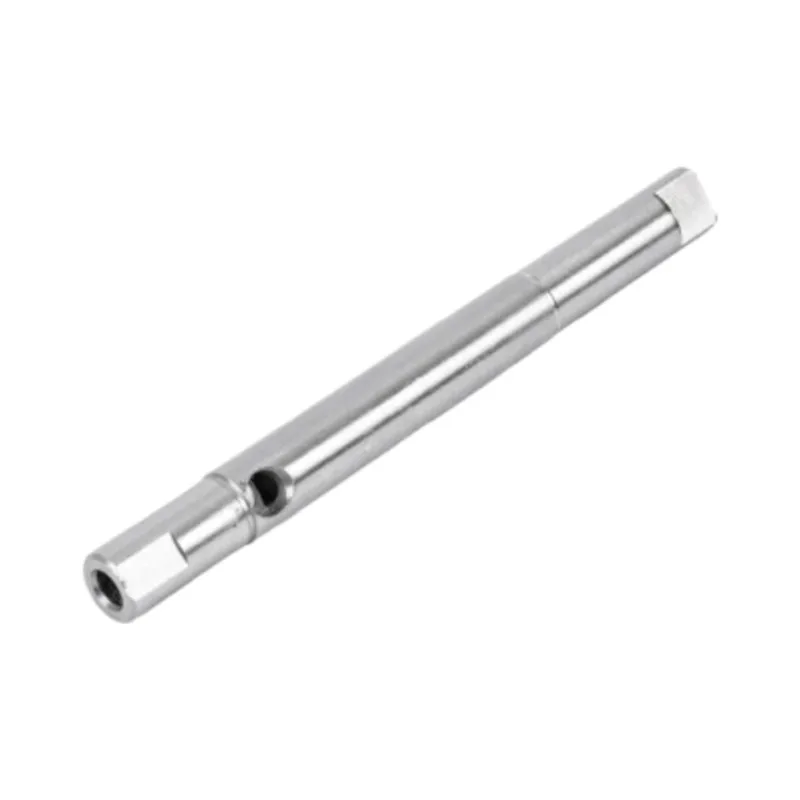
2. Manufacturing Processes That Deliver True Smoothness
The journey from raw stainless steel bar to a finished motor shaft involves a sequence of precision machining operations, each contributing to the final dimensional accuracy and surface quality. Achieving a truly smooth surface on a motor shaft is not a single-step process; it requires a coordinated approach that begins with material preparation and culminates in fine finishing techniques.
2.1 CNC Turning and Precision Grinding
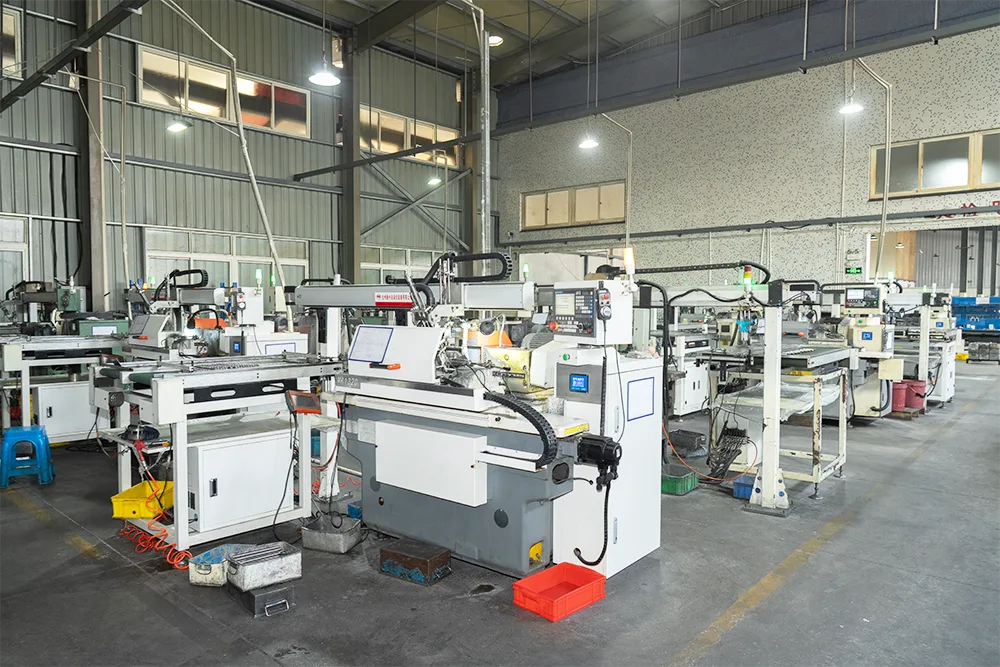
Computer Numerical Control (CNC) turning is the primary shaping operation for motor shafts. During this phase, the raw bar stock is rotated against a stationary cutting tool to produce the basic cylindrical form, including any stepped diameters, shoulders, or threaded ends. Modern CNC lathes equipped with live tooling can perform multiple operations in a single setup, reducing runout errors and ensuring concentricity between different shaft sections. Typical turning tolerances range from ±0.05 mm to ±0.01 mm, depending on the machine capability and the complexity of the part geometry.
Following turning, cylindrical grinding refines the shaft diameter to its final dimension while simultaneously improving surface finish. Grinding operations use abrasive wheels with controlled grit sizes to remove microscopic amounts of material, achieving surface roughness values as low as Ra 0.2 μm or better. For ultra-precision applications, such as those found in semiconductor manufacturing equipment or aerospace actuators, grinding can be followed by lapping or superfinishing to reach Ra 0.04 μm.
2.2 Centerless Grinding for Consistent Roundness
Centerless grinding is a specialized technique particularly well-suited for long, slender shafts where traditional between-centers grinding would introduce deflection errors. In this process, the workpiece is supported by a work rest blade and a regulating wheel, while a grinding wheel removes material from the outside diameter. The absence of center holes eliminates a common source of geometric error, and the continuous through-feed method enables high-volume production with exceptional repeatability. Centerless grinding is often the finishing operation of choice for Stainless Steel Smooth Motor Shaft production, as it delivers both tight diametrical tolerances and superior surface integrity.
3. Surface Finish and Dimensional Tolerances
The term "smooth" in the context of a motor shaft encompasses two distinct but interrelated attributes: surface roughness and dimensional consistency. Surface roughness, typically quantified as Ra (arithmetic average roughness), affects friction, wear, and the ability to maintain lubricant films. A smoother surface reduces friction between the shaft and its mating components — such as bearings, seals, or gears — thereby improving mechanical efficiency and reducing heat generation.
Dimensional tolerances, on the other hand, determine how precisely the shaft fits within its housing and how consistently it transmits motion. For high-performance motor shafts, diametrical tolerances are commonly specified to h6 or h7 grades, which for a 20 mm shaft correspond to tolerances of approximately ±0.013 mm and ±0.021 mm, respectively. In critical applications, tolerances can be tightened to ±0.005 mm or even ±0.002 mm, requiring not only advanced machining equipment but also rigorous temperature control during manufacturing and measurement.
The table below summarizes typical surface finish and tolerance specifications for stainless steel motor shafts across different application categories:
| Application Category | Surface Roughness (Ra) | Diameter Tolerance | Typical Grade |
|---|---|---|---|
| General Industrial Motors | Ra 0.8 – 1.6 μm | ±0.05 mm | 304 / 316 |
| Precision Servo & Robotics | Ra 0.2 – 0.4 μm | ±0.01 mm | 420 / 440C |
| Medical & Semiconductor | Ra 0.04 – 0.1 μm | ±0.005 mm | 316L / 17-4PH |
| Automotive & Aerospace | Ra 0.2 – 0.6 μm | ±0.015 mm | Custom Alloys |
It is worth noting that surface finish and tolerance are not independent parameters. Achieving an exceptionally smooth surface often requires multiple finishing passes, each of which can slightly alter the final diameter. Process control strategies — such as in-process gauging and adaptive feedback — are therefore essential to balance these two critical quality attributes.
4. Application Domains for Stainless Steel Smooth Motor Shaft
The versatility of the Stainless Steel Smooth Motor Shaft is reflected in its widespread adoption across diverse industries. Each application places unique demands on shaft performance, driving the need for tailored material selections and manufacturing processes.
In robotics and automation, motor shafts are integral to joint actuators, linear stages, and end-effector mechanisms. Here, the emphasis is on low friction, high positional accuracy, and minimal backlash. Stainless steel shafts with ground and polished surfaces enable smooth, repeatable motion while resisting wear from continuous operation.
The medical device sector requires shafts that are not only precise but also biocompatible and sterilizable. Surgical robotics, diagnostic equipment, and drug delivery systems all rely on stainless steel shafts that can withstand autoclaving and chemical cleaning without degradation. The smooth surface finish also prevents bacterial adhesion, a critical factor in sterile environments.
In automotive systems, stainless steel motor shafts are found in electric power steering, throttle actuators, and cooling fan motors. These components must endure temperature extremes, vibration, and exposure to road salts and fluids. The corrosion resistance of stainless steel, combined with its fatigue strength, makes it the material of choice for under-hood and chassis-mounted applications.
Other notable applications include semiconductor manufacturing equipment, where ultra-clean and non-particulating shafts are essential; food processing machinery, where hygiene and corrosion resistance are paramount; and marine systems, where saltwater exposure demands the highest levels of corrosion protection.
5. Material Grades and Corrosion Resistance
Selecting the correct stainless steel grade for a motor shaft is a decision that impacts not only performance but also manufacturability and cost. The most commonly used grades fall into three categories:
- 304 Stainless Steel — The workhorse of the stainless family, offering excellent corrosion resistance, good formability, and ease of machining. Suitable for general-purpose shafts in mild environments.
- 316 Stainless Steel — Enhanced with molybdenum for superior resistance to chlorides and acidic media. Preferred for marine, chemical, and medical applications.
- 420 / 440C Stainless Steel — Martensitic grades that can be heat-treated to high hardness (up to 58–60 HRC). Ideal for shafts that require wear resistance and high load-carrying capacity.
Beyond the standard grades, specialized alloys such as 17-4PH (precipitation-hardening) and duplex stainless steels offer combinations of strength and corrosion resistance that are unmatched by conventional grades. These materials are often specified for aerospace, oil and gas, and other demanding sectors where component failure is not an option.
Corrosion resistance is not solely a function of alloy composition; surface condition also plays a significant role. A smooth, polished surface reduces the surface area available for corrosive attack and eliminates crevices where corrosive agents can accumulate. Passivation — a chemical treatment that removes free iron from the surface — further enhances the passive oxide layer that gives stainless steel its corrosion-resistant properties.
6. Design Considerations for Shaft Integration
Integrating a stainless steel smooth motor shaft into a complete mechanical system requires careful attention to several design parameters. These include:
- Shaft Diameter and Length — Determined by torque requirements, critical speed, and available envelope space. Slender shafts may require intermediate supports to prevent deflection.
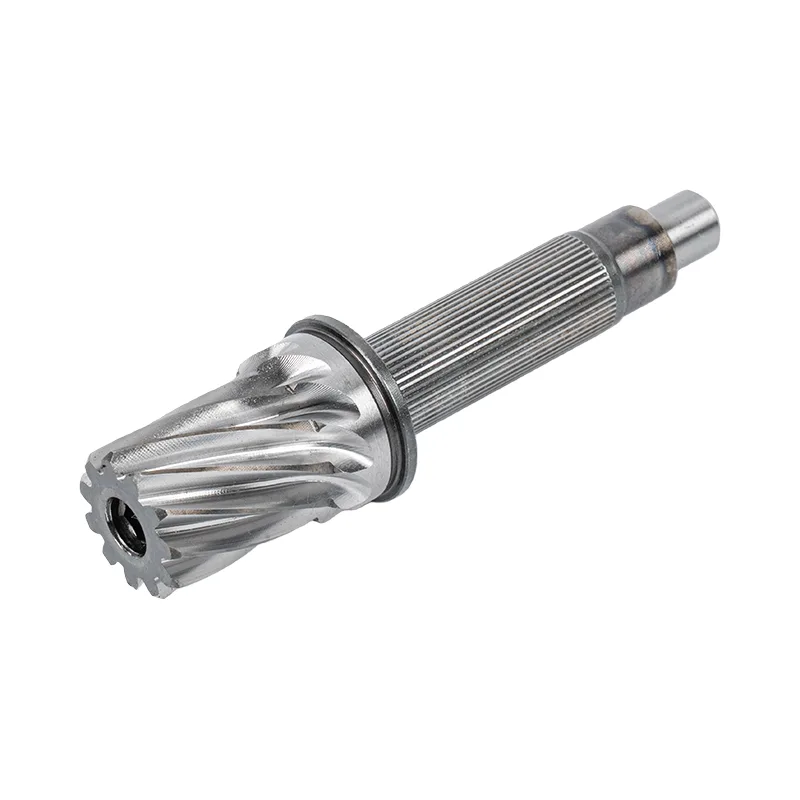
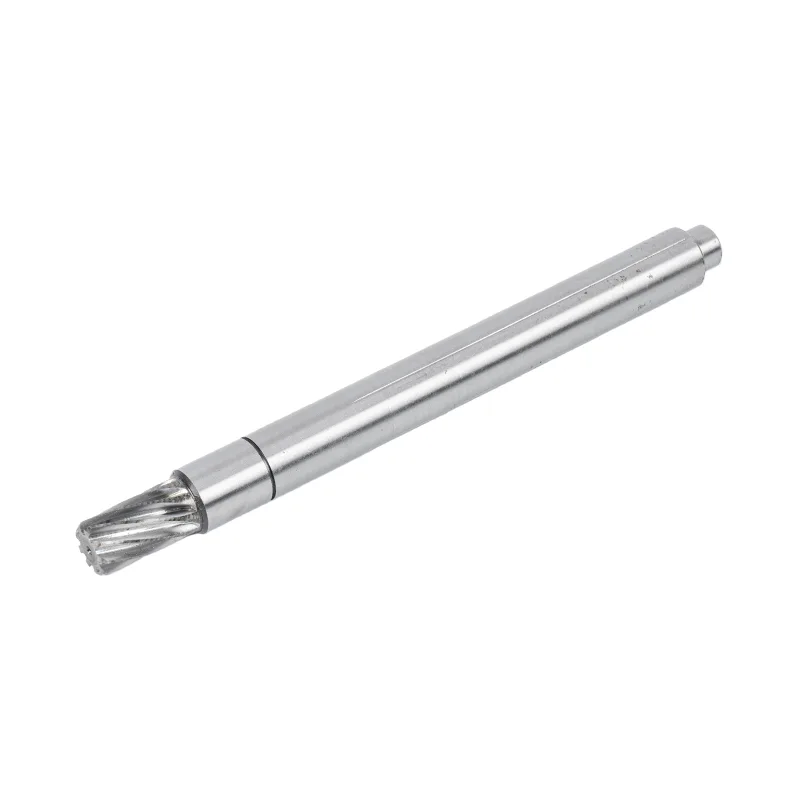
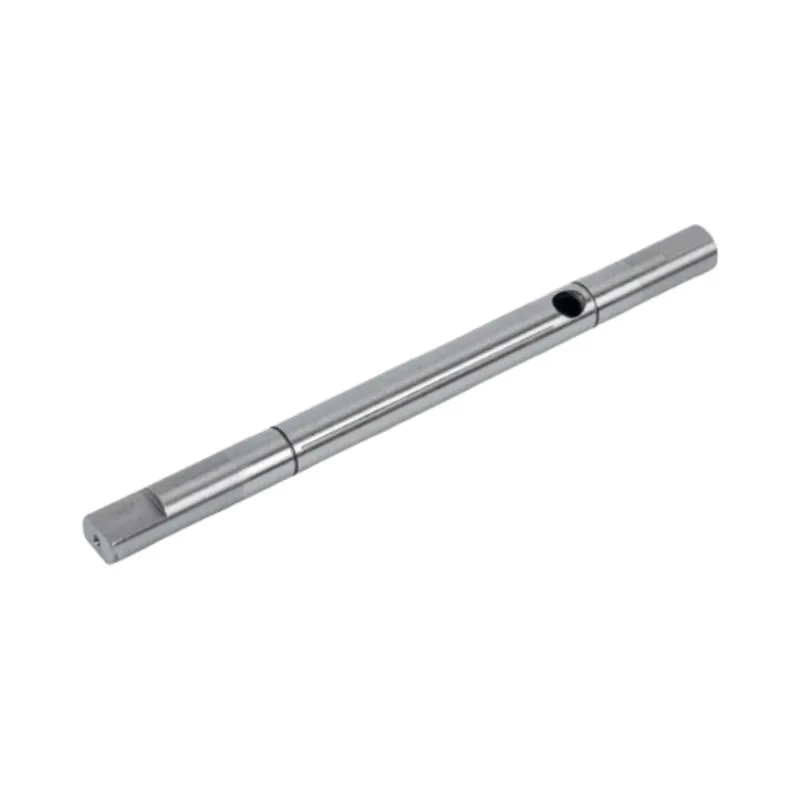
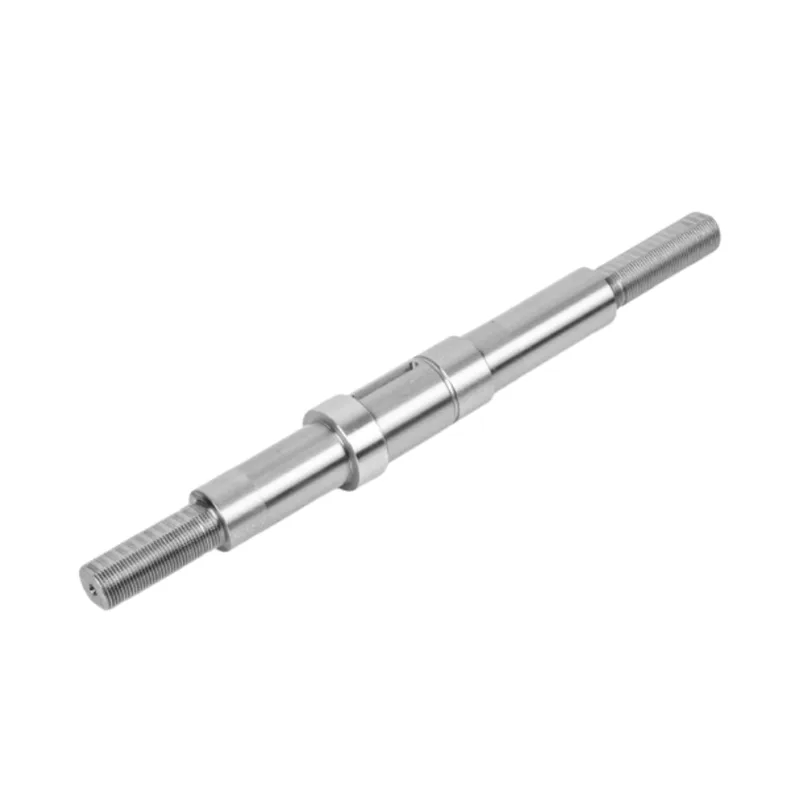
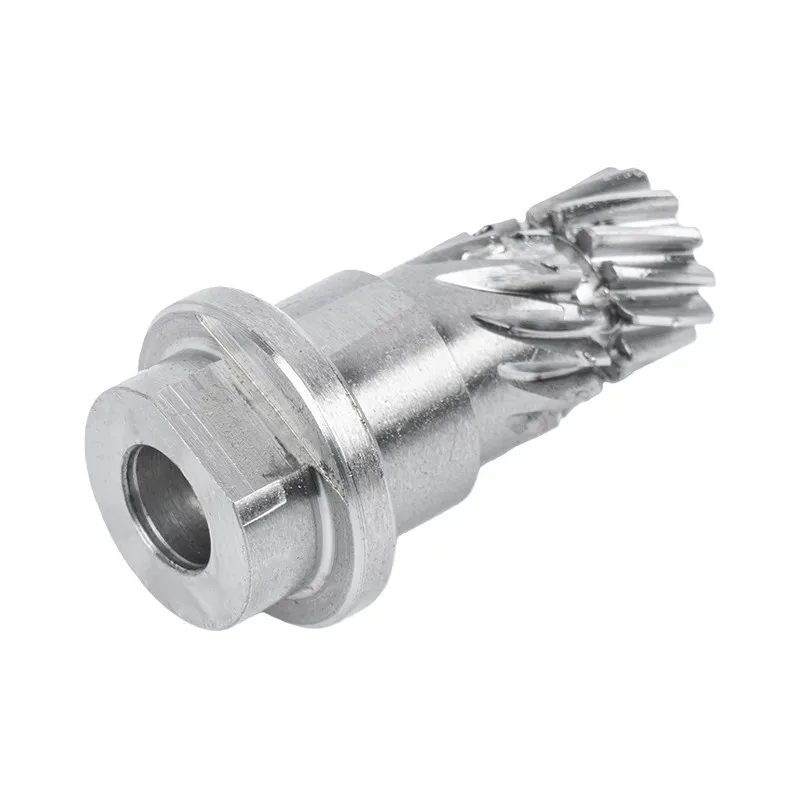
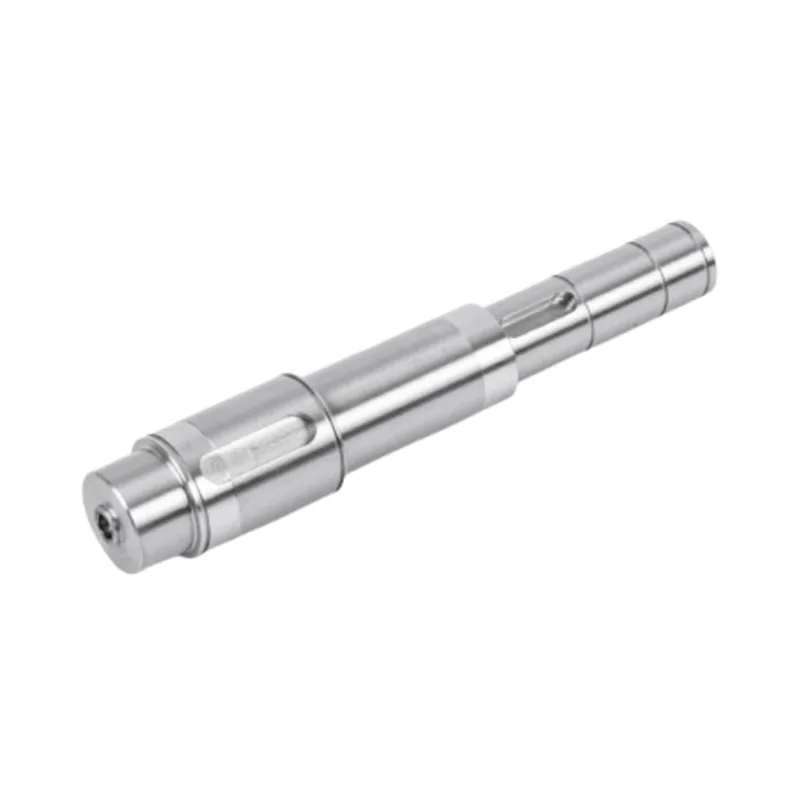
- End Configurations — Shaft ends may be plain, threaded, keyed, or splined, depending on the method of torque transmission. Each configuration imposes different machining and tolerance requirements.
- Bearing Selections — The choice of bearings (ball, roller, or sleeve) affects shaft surface finish requirements and lubrication strategy. Higher surface finishes reduce bearing friction and extend bearing life.
- Sealing Arrangements — For shafts that pass through housings or operate in wet environments, seals must be compatible with the shaft surface to prevent leakage and contamination.
Designers should also consider the thermal expansion characteristics of stainless steel relative to other materials in the assembly. While stainless steel has a coefficient of thermal expansion similar to that of carbon steel, differences can become significant in high-temperature applications, potentially affecting bearing preload and shaft alignment.
7. Quality Assurance and Testing Protocols
Ensuring that every Stainless Steel Smooth Motor Shaft meets its specified requirements demands a comprehensive quality assurance framework. This framework typically encompasses incoming material verification, in-process inspection, and final acceptance testing.
Material verification begins with chemical analysis to confirm alloy composition, followed by mechanical testing to verify tensile strength, yield strength, and hardness. For critical applications, ultrasonic or eddy-current testing may be employed to detect subsurface defects such as cracks or inclusions.
In-process inspection relies on dimensional measurements at each machining stage. Coordinate measuring machines (CMMs) and laser micrometers provide high-accuracy data on diameter, roundness, straightness, and concentricity. Surface roughness is measured using profilometers, with stylus or optical methods depending on the required resolution.
Final acceptance testing often includes a functional run-out test, where the shaft is rotated at operational speeds while vibration and runout are monitored. This test validates that the shaft's dynamic characteristics — including balance and stiffness — are within acceptable limits. For shafts intended for high-speed applications, dynamic balancing may be performed to minimize unbalance forces.
8. Frequently Asked Questions
For general industrial applications, surface roughness of Ra 0.8–1.6 μm is common. Precision servo and robotics applications typically require Ra 0.2–0.4 μm, while ultra-precision applications in medical or semiconductor equipment may demand Ra 0.04–0.1 μm.
For corrosive environments such as marine or chemical processing, 316 stainless steel is recommended due to its molybdenum content, which enhances resistance to chlorides and acidic media. For even higher corrosion resistance, duplex stainless steels or super-austenitic grades may be considered.
Centerless grinding supports the workpiece on a work rest blade without using center holes, making it ideal for long, slender shafts. It offers high productivity and consistent roundness. Cylindrical grinding uses centers or chucks to hold the workpiece and is better suited for shafts with complex features or stepped diameters.
Standard tolerances are typically ±0.05 mm for general applications. Precision machining can achieve ±0.01 mm, and with advanced grinding and lapping, tolerances as tight as ±0.005 mm or even ±0.002 mm are possible.
Surface finish affects friction, wear, lubrication retention, and sealing effectiveness. A smoother surface reduces friction between the shaft and bearings or seals, improving efficiency and extending component life. It also minimizes the risk of stress concentration and fatigue crack initiation.
Need a precision-engineered Stainless Steel Smooth Motor Shaft tailored to your exact specifications?
Guanshuo combines decades of machining expertise with advanced quality systems to deliver shafting solutions that perform.
Contact usDiscuss your project requirements with our engineering team.