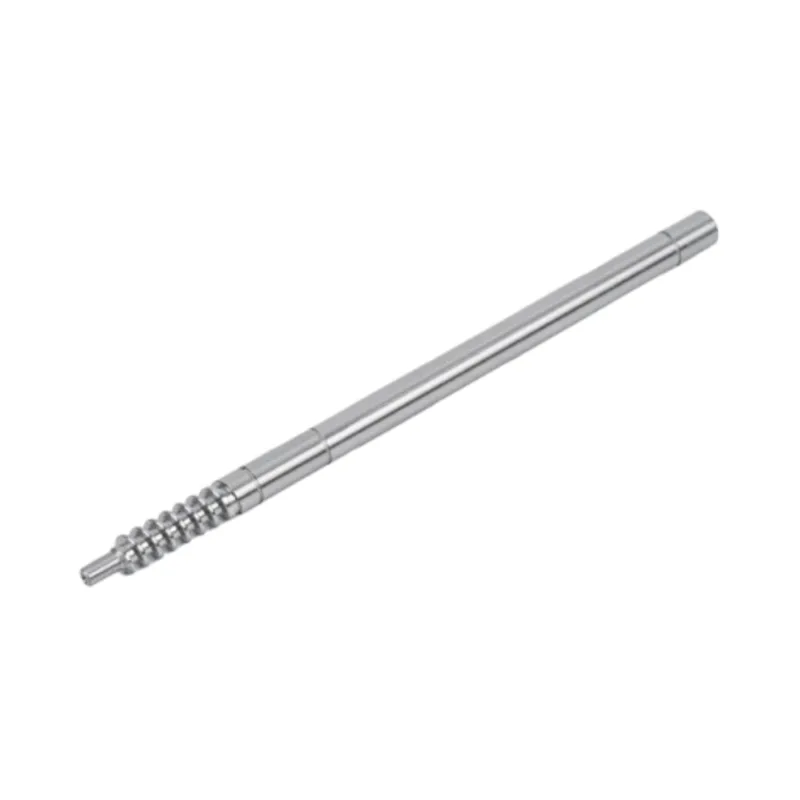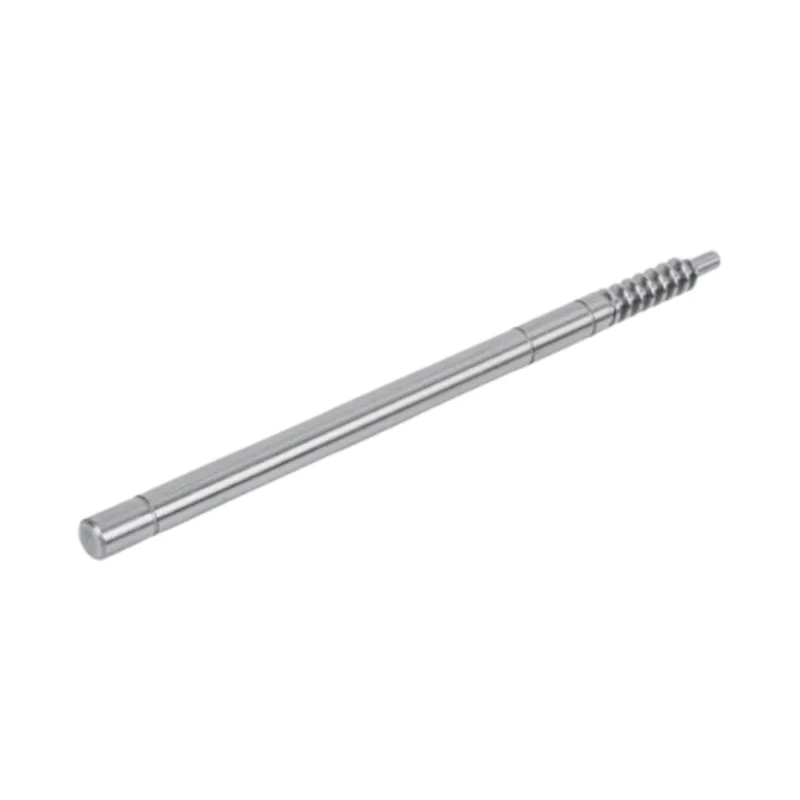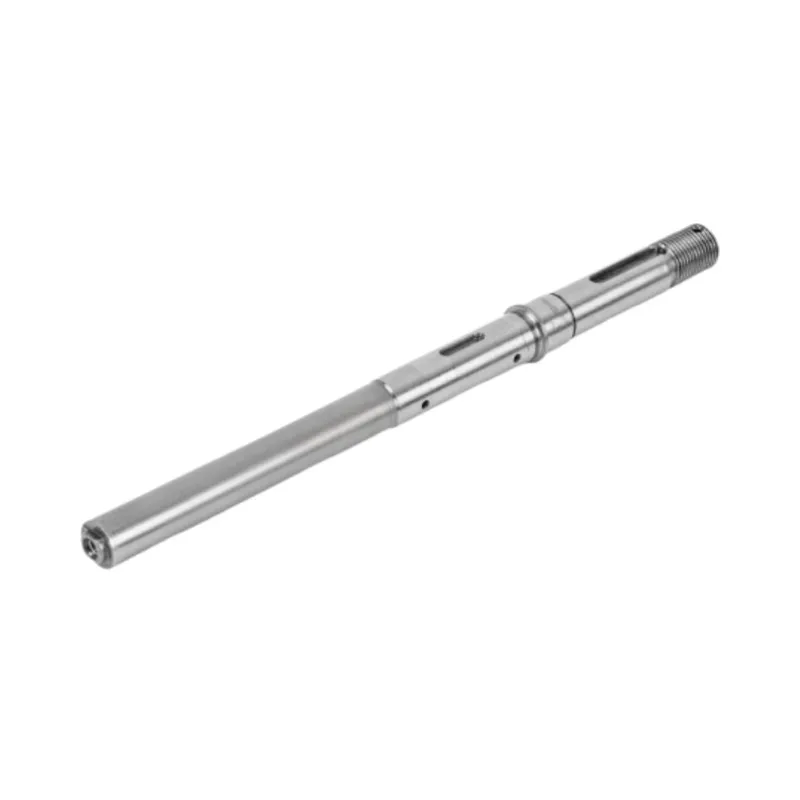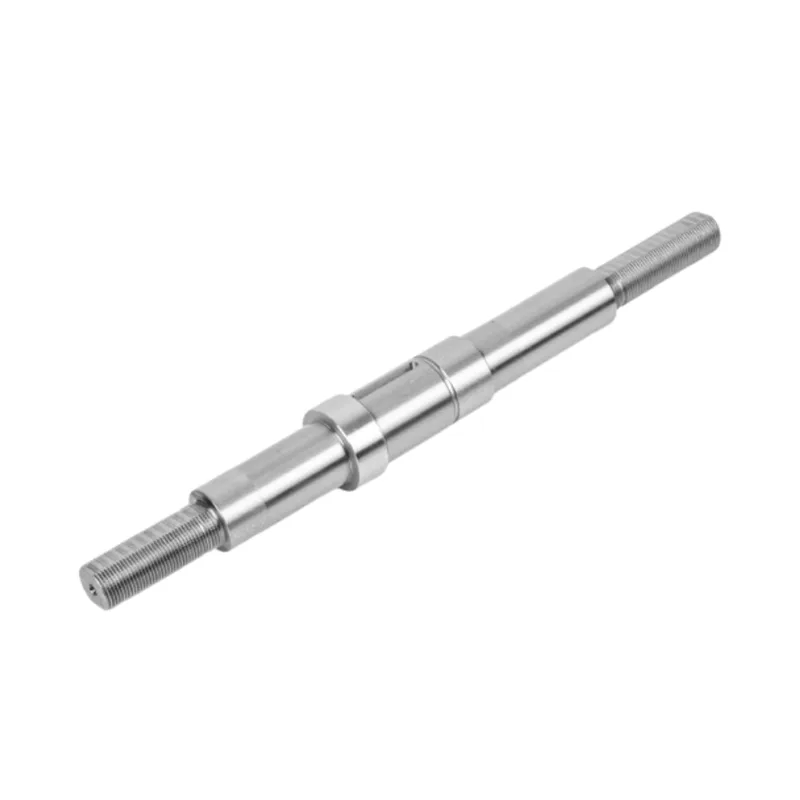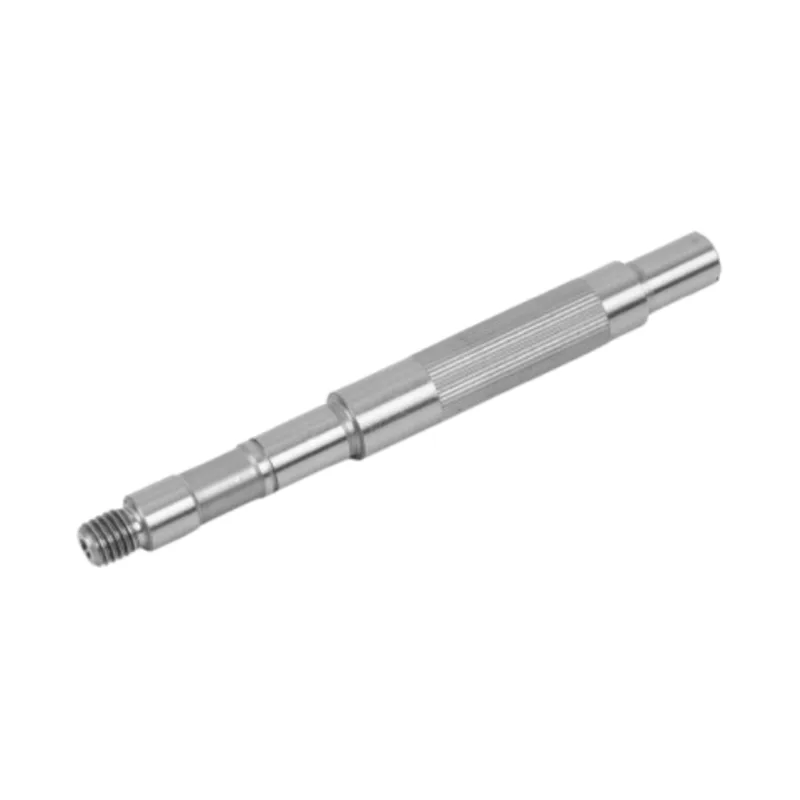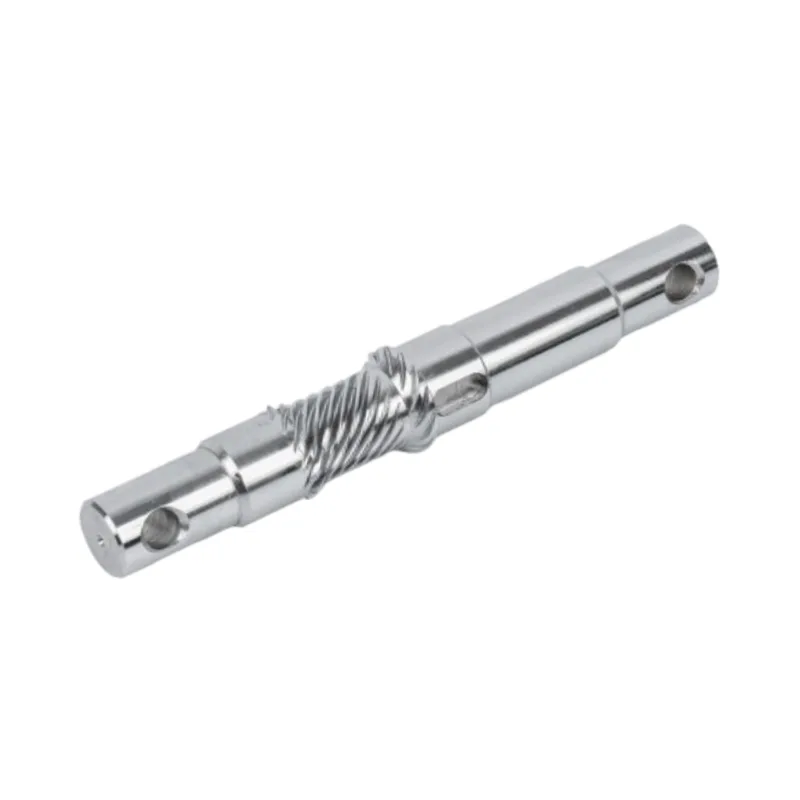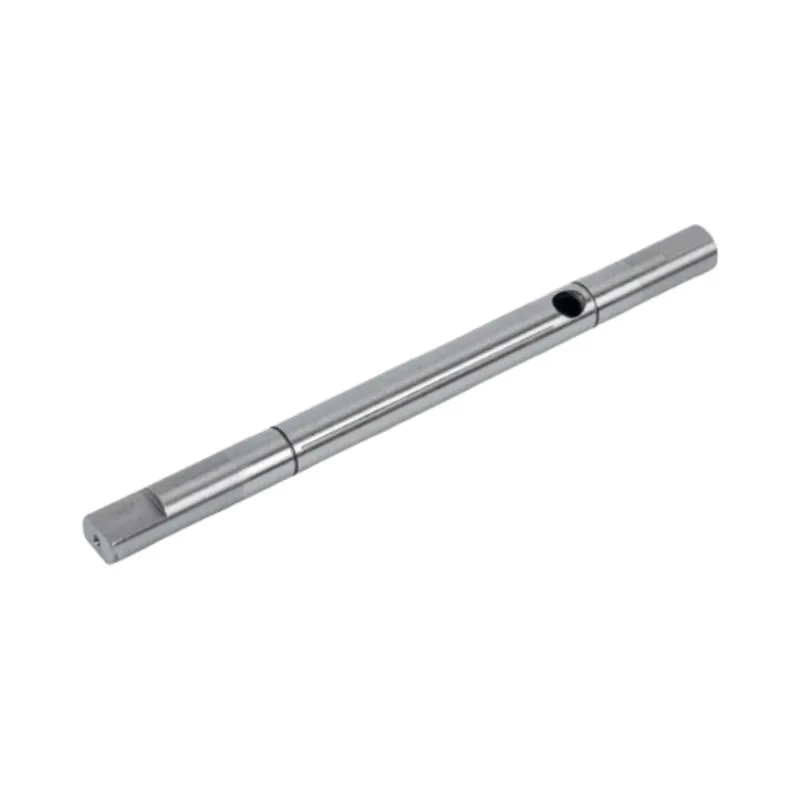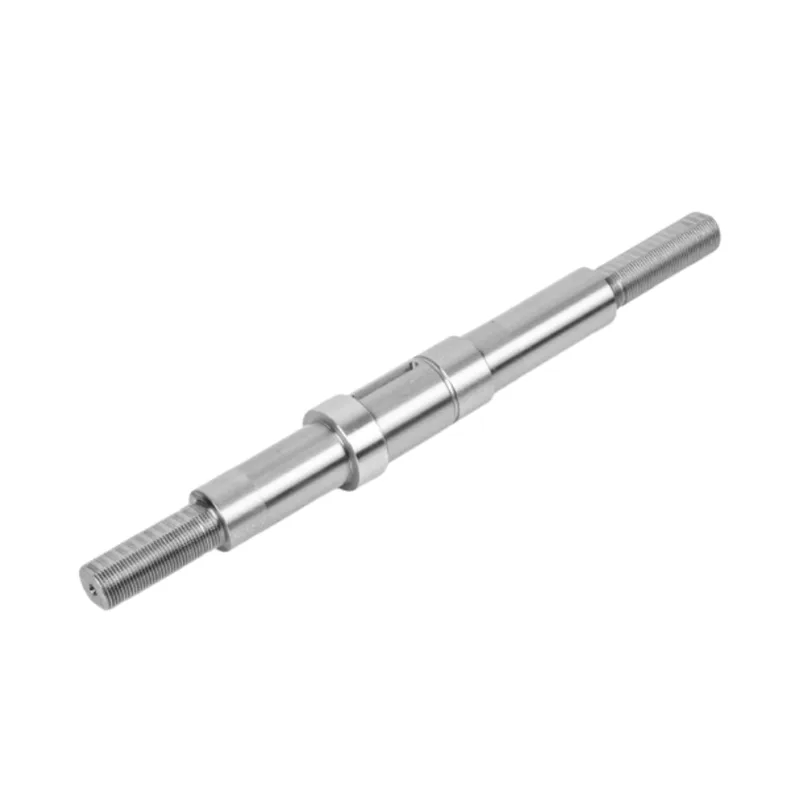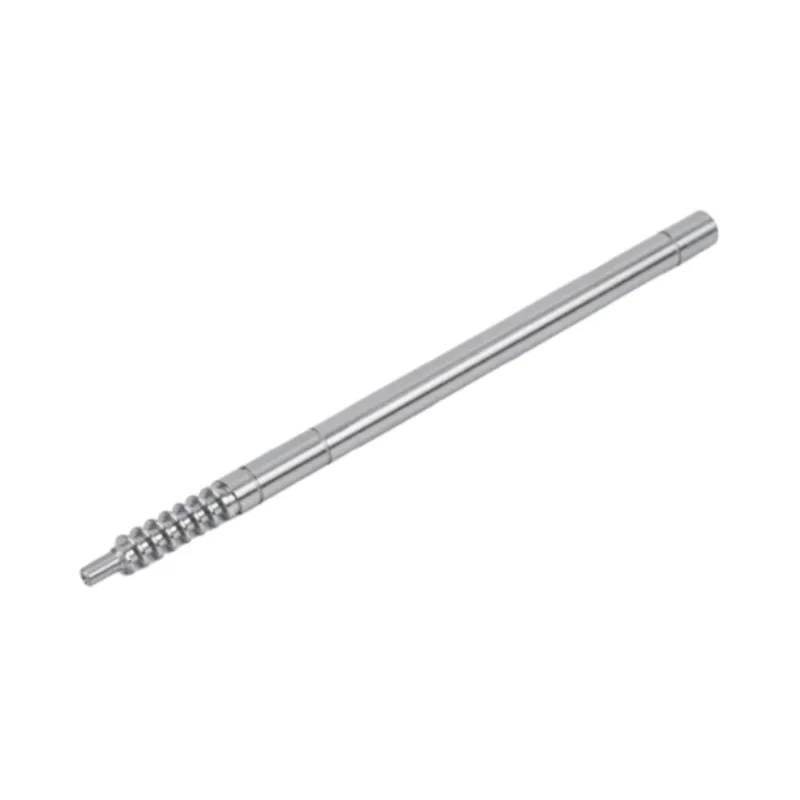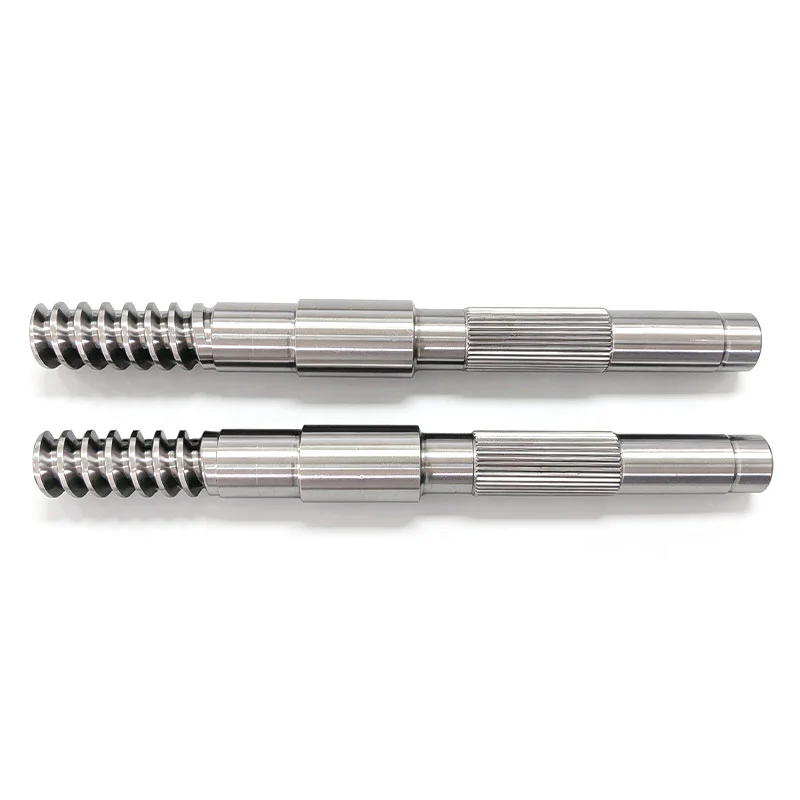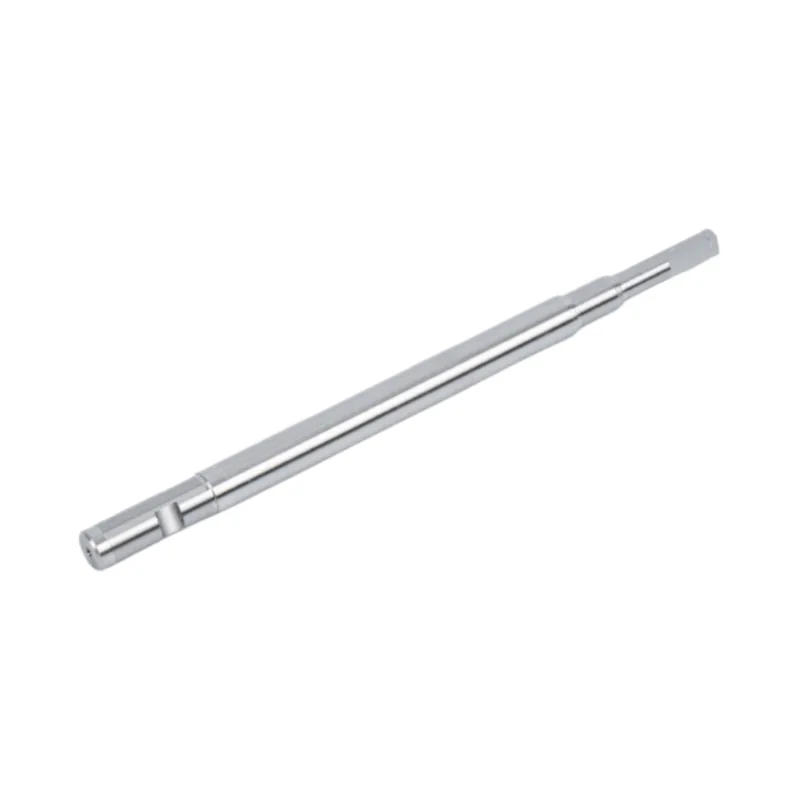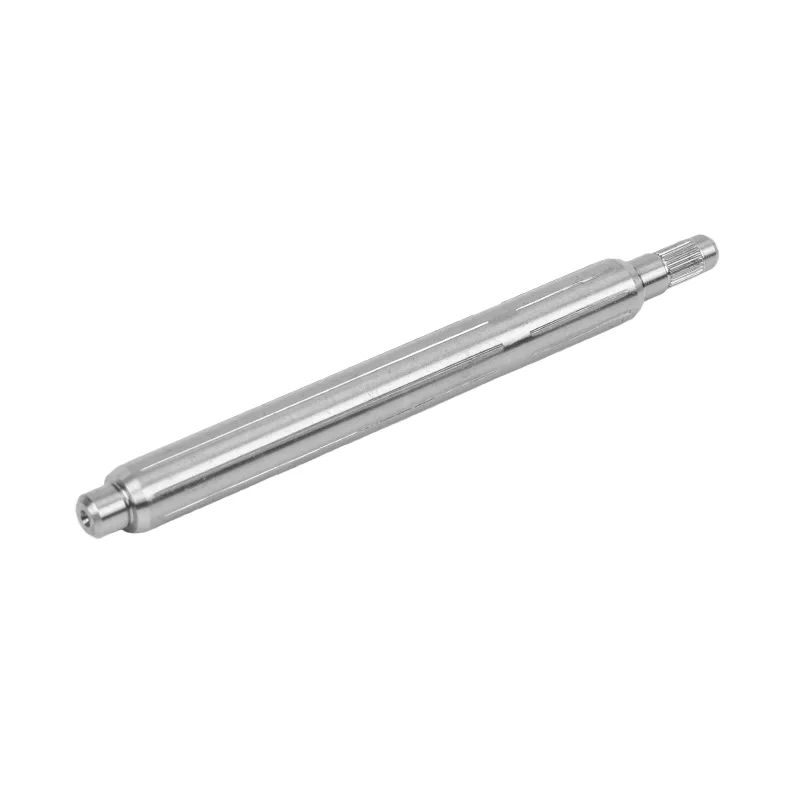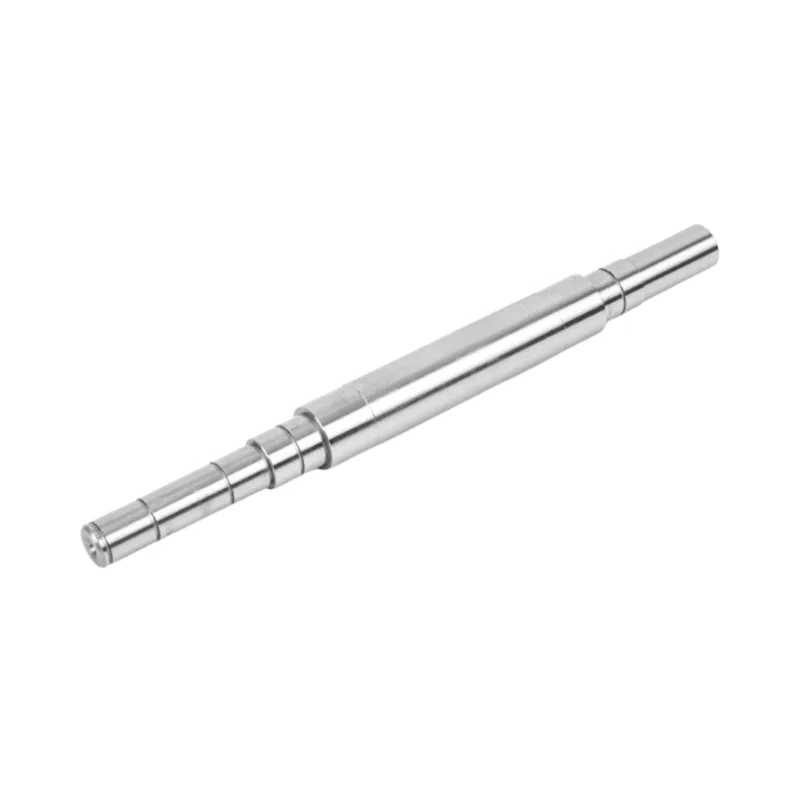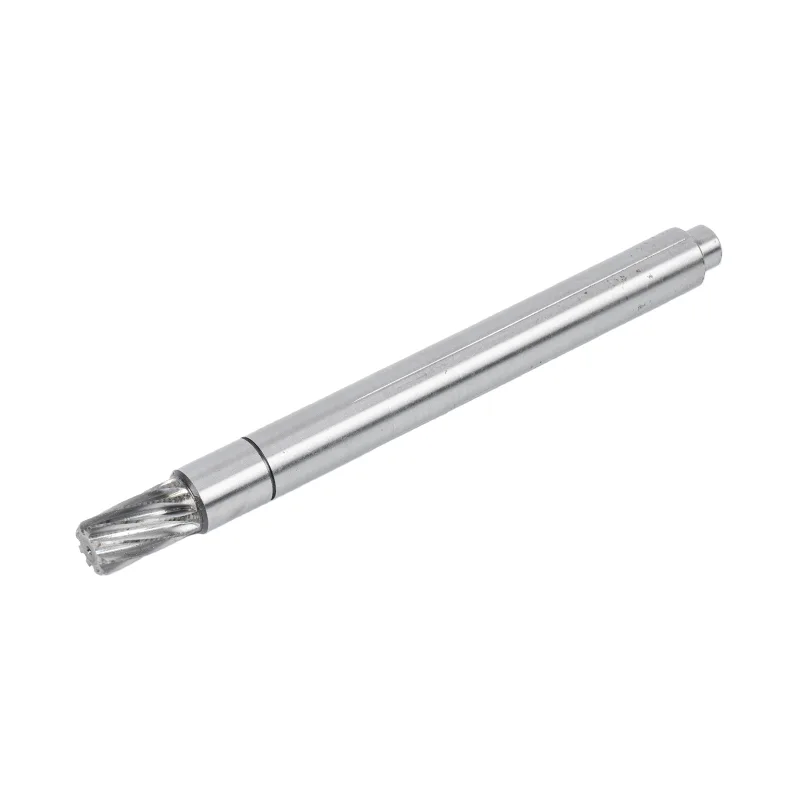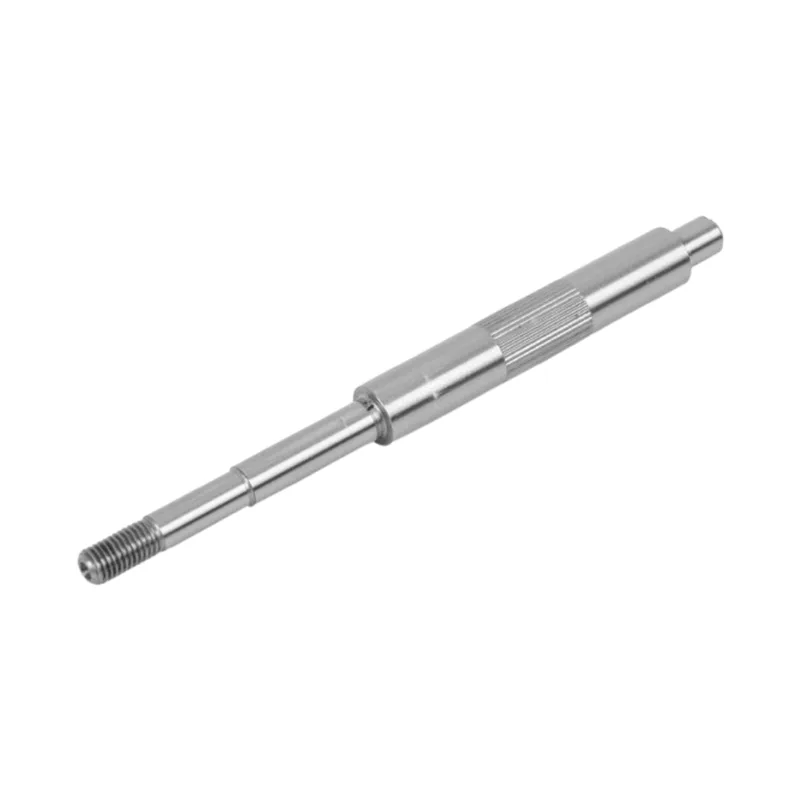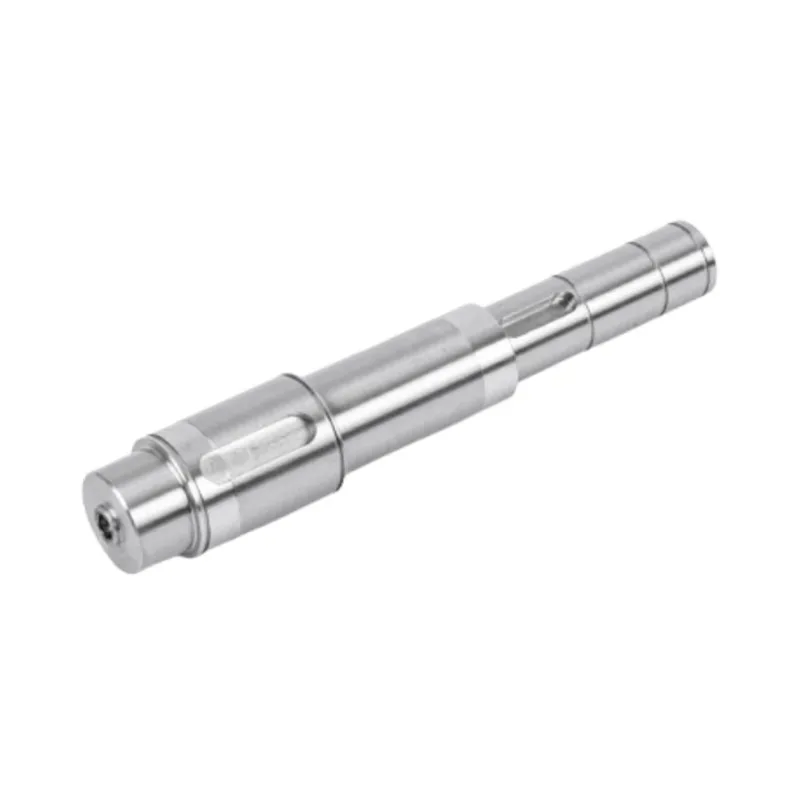
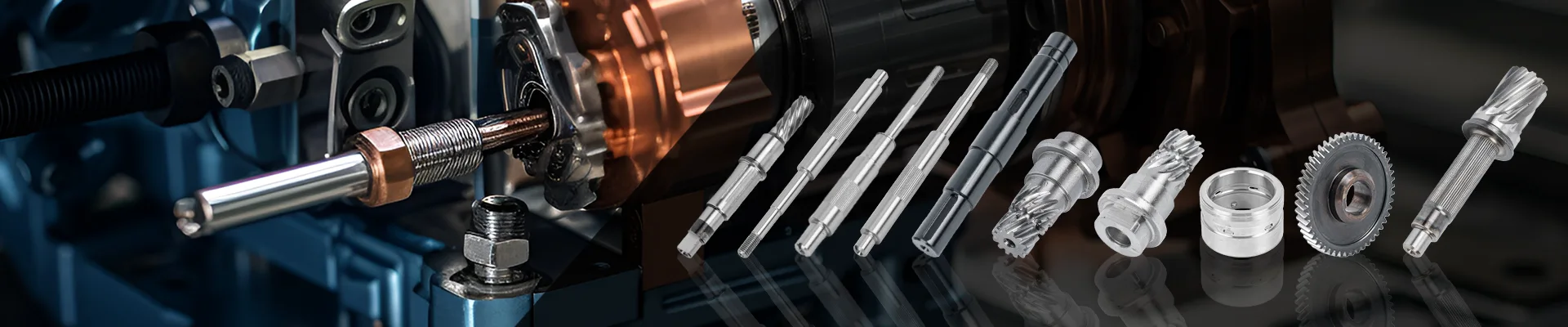
China-based manufacturer Guanshuo supplies Medical Robot Drive Motor Shaft Components for surgical robotics and automated medical systems. Our Ningbo facility operates 26 CNC cylindrical grinders and a full-automatic optical inspection system, achieving IT4-IT5 tolerances with radial runout ≤0.003mm and surface roughness Ra 0.1‑0.4μm. With over 10 years in precision hardware and 11 patented technologies, we deliver components that support 134°C steam sterilization and oil‑free operation for medical robotic applications.
Surgical robots and medical automation systems require drive shafts that combine extreme positional accuracy, sterilization resistance, and compact design. General‑purpose industrial shafts often fail under repeated autoclave cycles or cannot achieve the micron‑level runout needed for robotic end‑effector repeatability. Guanshuo addresses these demands through material selection (316L stainless steel, titanium alloy, or 17‑4PH), self‑lubricating surfaces, and ISO 9001 / ISO/TS 16949 certified processes. Our components are used as core transmission elements in robotic arms, endoscopic tool drivers, rehabilitation exoskeletons, and automated diagnostic platforms.
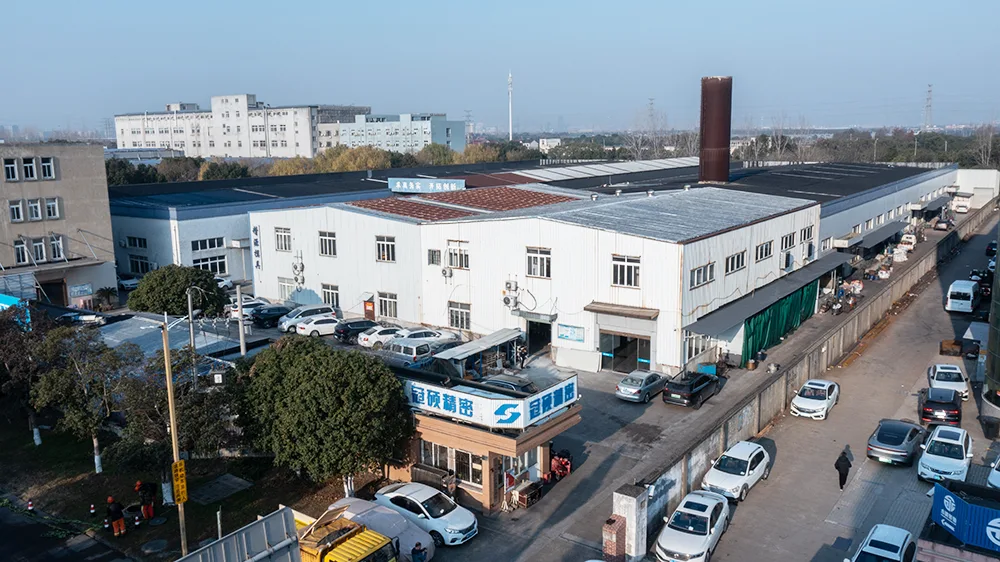
Ningbo Guanshuo Precision Hardware Co., Ltd., established in 2016, is a national‑level high‑tech enterprise specializing in R&D, production, and sales of high‑precision motor shaft cores. The company has over a decade of experience in precision hardware processing and serves the medical equipment, new energy vehicle, industrial automation, and home appliance industries.
Manufacturing Capabilities:
● 50+ skilled employees, including 3 engineering technicians and 6 QC specialists
● 26 CNC cylindrical grinders, 6 high‑precision centerless grinders, 3 turning‑milling combined machines
● Full‑automatic optical inspection system for 100% dimensional verification
● 11 patented technologies in shaft design and manufacturing
Quality System:
● ISO 9001:2015 certified
● ISO/TS 16949 automotive quality management system
The following specifications apply to Guanshuo's Medical Robot Drive Motor Shaft Components. Custom dimensions and tighter tolerances are available upon request.
| Parameter | Value | Test Method / Standard |
|---|---|---|
| Shaft Diameter Range | φ0.8mm ~ φ30mm | Laser micrometer measurement |
| Outer Diameter Tolerance | h6 (IT4‑IT5 grade for mating surfaces) | ISO 286‑1 |
| Surface Roughness (mating surface) | Ra 0.1 ~ 0.4 μm | Surface finish gauge |
| Chamfer | C0.2 ~ C0.5 | Visual & gauge inspection |
| Radial Runout (at 50mm span) | ≤ 0.003mm | Cylindricity measuring instrument |
| Coaxiality | ≤ 0.005mm | Two‑dimensional projector |
| Operating Noise | ≤ 30 dB(A) | Noise meter |
| Fatigue Life | ≥ 20,000 hours | Fatigue testing machine |
| Friction Coefficient | ≤ 0.08 | Friction testing |
Material selection for Medical Robot Drive Motor Shaft Components directly affects sterilization compatibility, weight, torque capacity, and service life. The table below compares commonly used alloys, each with specific advantages for different robotic subsystems.
| Material | Key Properties | Typical Robotic Application |
|---|---|---|
| 316L Stainless Steel | Corrosion resistance, biocompatible, withstands 134°C autoclave | Surgical robot joints, endoscopic drivers |
| Titanium Alloy (Ti‑6Al‑4V ELI) | High strength‑to‑weight ratio, excellent fatigue resistance | Lightweight robotic arms, exoskeletons |
| 17‑4PH Stainless Steel | High hardness, wear resistance, precipitation‑hardened | High‑load transmission shafts in heavy‑duty robotics |
Beyond material, design features include hollow shafts for cable routing, ultra‑thin diameters (down to 0.8mm) for minimally invasive instruments, and oil‑free self‑lubricating surfaces that eliminate contamination risk. These attributes are achieved through precision grinding and CNC turning, with 100% inspection of runout and coaxiality.
Medical Robot Drive Motor Shaft Components serve as critical transmission elements across multiple categories of robotic systems. Each application imposes specific requirements on precision, sterilization, and mechanical durability.
Examples include da Vinci‑style multi‑arm platforms, orthopedic surgical robots, and neurosurgical assistive devices. These systems require extreme positional accuracy (radial runout ≤0.003mm) to ensure instrument tip repeatability, and sterilization resistance to survive repeated autoclave cycles. Hollow shaft options allow passage of cables or irrigation lines through the joint.
Powered exoskeletons, rehabilitation training robots, and prosthetic actuators benefit from lightweight titanium alloy shafts that reduce patient burden while delivering high torque. Low noise (≤30 dB) and maintenance‑free operation improve patient comfort and reduce long‑term service costs.
Robotic endoscopy systems and catheter navigation devices use ultra‑thin shafts (0.8‑3mm diameter) with high torsional stiffness to navigate tortuous anatomy. Corrosion resistance to bodily fluids and disinfectants is non‑negotiable, met by 316L stainless steel construction.
High‑throughput sample handling systems and automated diagnostic workstations require precision positioning with minimal vibration. The shafts provide consistent transmission accuracy over ≥20,000 hours of continuous operation, supporting reliable assay results.
Every Medical Robot Drive Motor Shaft Component undergoes a multi‑stage quality control process that ensures conformance to design specifications and regulatory expectations for medical device components.
1. Incoming Material Inspection — Mill test certificates verified, hardness and composition tested per batch.
2. In‑Process Control — SPC (Statistical Process Control) monitors critical dimensions at each machining stage.
3. Final Dimensional Inspection — 100% measurement by full‑automatic optical inspection system, complemented by manual checks for runout, surface roughness, and coaxiality.
4. Sterilization Validation — Sample shafts are subjected to 3 cycles of 134°C steam sterilization, followed by surface inspection for corrosion, peeling, or dimensional change.
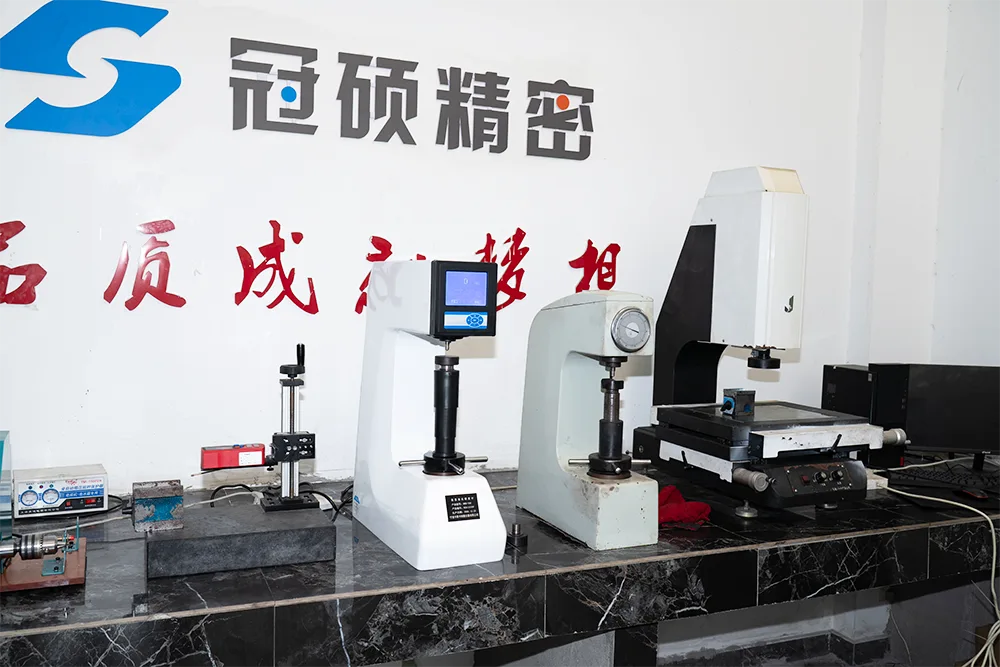
Inspection Equipment: Hardness testers, two‑dimensional projectors, surface finish gauges, cylindricity measuring instruments, and the automated optical system.
Our quality system is certified to ISO 9001:2015 and ISO/TS 16949, and we maintain full traceability from raw material to final packing. Upon request, we provide material certificates, inspection reports, and biocompatibility documentation (ISO 10993‑1) for device regulatory submissions.
This section provides practical information for purchasing Medical Robot Drive Motor Shaft Components, covering customization options, sample policies, order quantities, and lead times.
● Dimensional modifications: Diameter (0.8‑30mm), length, step profiles, threads, splines, and grooves.
● Hollow shafts: Available for passing cables, optical fibers, or fluids through the shaft.
● Material selection: 316L stainless steel, titanium alloy (Ti‑6Al‑4V ELI), or 17‑4PH stainless steel.
● Surface treatments: Passivation, electropolishing, DLC coating, or nitriding for enhanced wear resistance.
● Tolerance tightening: IT4 level (≤0.5μm) can be achieved for ultra‑precision applications.
● Stock samples: Free of charge; buyer pays shipping.
● Custom samples: Machining cost applies, but is deducted from the first bulk order.
● Lead time: 1‑18 days depending on complexity; typical custom prototypes within 7‑10 working days.
● Sample validation: Full dimensional report and optional performance testing (runout, noise, sterilization cycling) provided.
● MOQ: 500‑1000 pieces for standard parts; 300 pieces for custom designs.
● Below‑MOQ orders: Accepted with a 30‑50% surcharge (waived if order value ≥USD 5,000). Mixed items can combine to meet MOQ; repeat clients may negotiate lower quantities.
● Production lead time: Negotiated based on quantity and current workload; typical mass production 15‑30 working days after sample approval.
● Warranty: 24‑month extended warranty from delivery date, covering manufacturing defects.
● Each shipment includes mill test certificates and dimensional inspection reports.
● Packaging meets medical component standards (anti‑corrosion, anti‑vibration).
● VMI inventory management support available for long‑term contracts.
A: Our standard offering achieves IT4‑IT5 tolerance levels (h6) on critical mating surfaces, with radial runout ≤0.003mm at 50mm span and coaxiality ≤0.005mm. Tighter IT4 tolerances (≤0.5μm) are available upon request for specialized applications.
A: Yes. Hollow shaft configurations are available in diameters starting from 3mm, with wall thickness optimized for strength. This is commonly used in endoscopic and surgical robotic systems where cables or optical fibers must pass through the joint.
A: Titanium alloy (Ti‑6Al‑4V ELI) offers superior fatigue strength and a high strength‑to‑weight ratio, making it ideal for robotic arms that undergo frequent repetitive motions. 316L stainless steel is also fatigue‑resistant (≥20,000 hours) and more cost‑effective for less weight‑sensitive applications.
A: We use materials (316L, titanium) that inherently resist corrosion, and apply passivation or electropolishing to enhance the passive layer. Sample shafts are tested for 3 cycles of 134°C steam sterilization, and we confirm no discoloration, pitting, or dimensional change.
A: For custom designs, MOQ is 300 pieces. Sample lead time is 1‑18 days, typically 7‑10 days for standard complexity. Custom sample machining cost is required but credited against the first bulk order.
A: Yes. Every shipment includes mill test certificates for the raw material and a comprehensive dimensional inspection report covering diameter, runout, roughness, and other critical parameters. Additional biocompatibility testing (ISO 10993‑1) can be arranged.
A: We are certified to ISO 9001:2015 and ISO/TS 16949. Our processes are controlled using SPC, and we maintain full traceability from incoming material to final packing. Regular internal and external audits ensure ongoing compliance.
A: Yes. We maintain a flexible production schedule and can respond to emergency orders based on current capacity. Please contact our sales team to discuss specific timeline requirements.
For inquiries about Medical Robot Drive Motor Shaft Components — including technical consultation, customization, pricing, or sample requests — please reach out to our team.
Ningbo Guanshuo Precision Hardware Co., Ltd.
● Address: Qingqing Road 268‑1, Jiaochuan Sub‑district, Zhenhai District, Ningbo City, Zhejiang Province, China
● Phone: +86‑15990709753
● Established: 2016
● Certifications: ISO 9001, ISO/TS 16949, National High‑Tech Enterprise
● Industries Served: Medical Equipment, New Energy Vehicles, Industrial Automation, Home Appliances