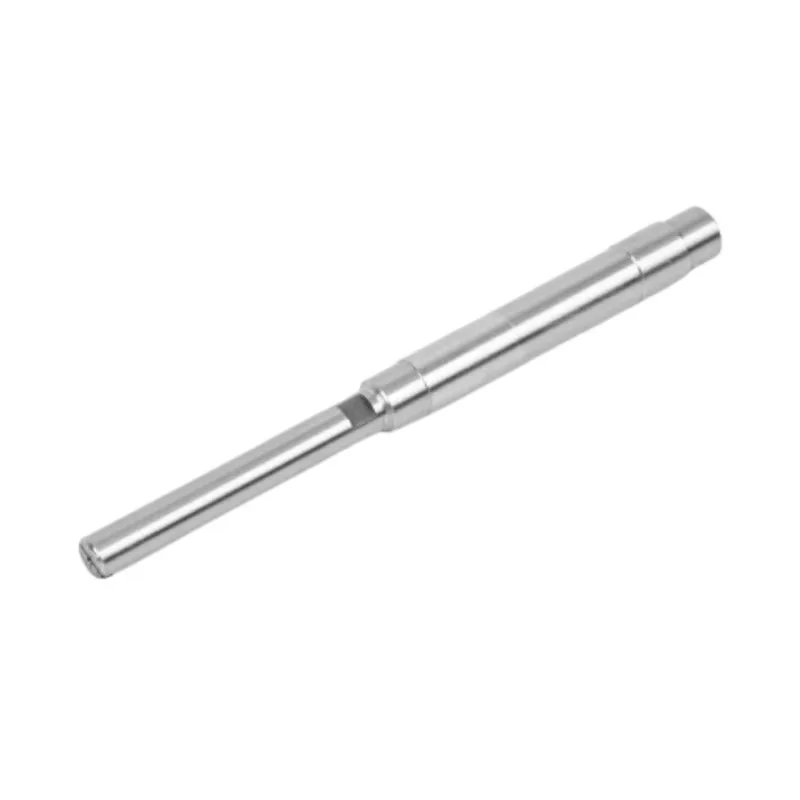
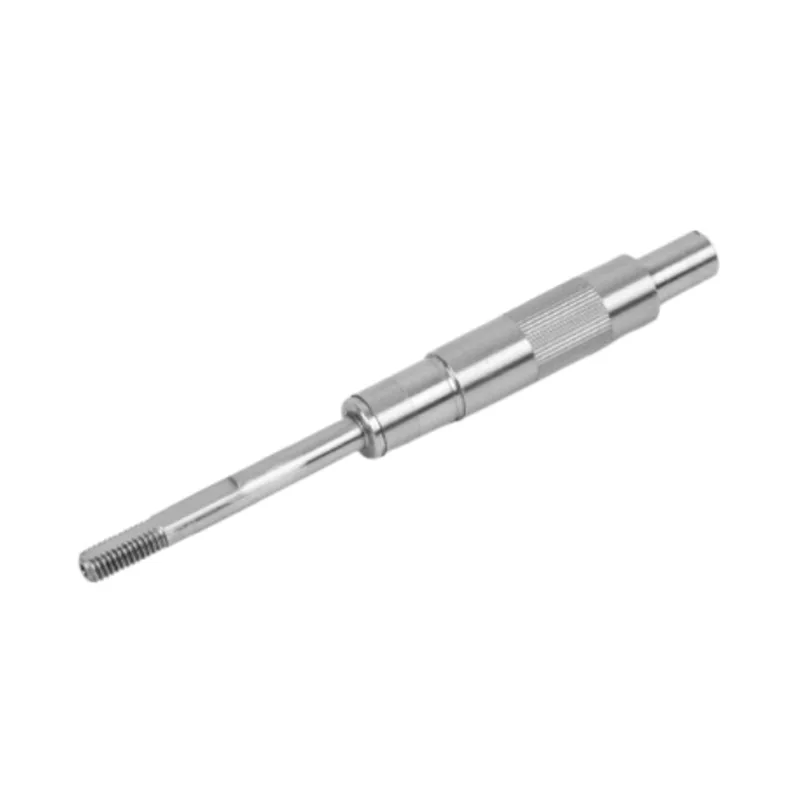
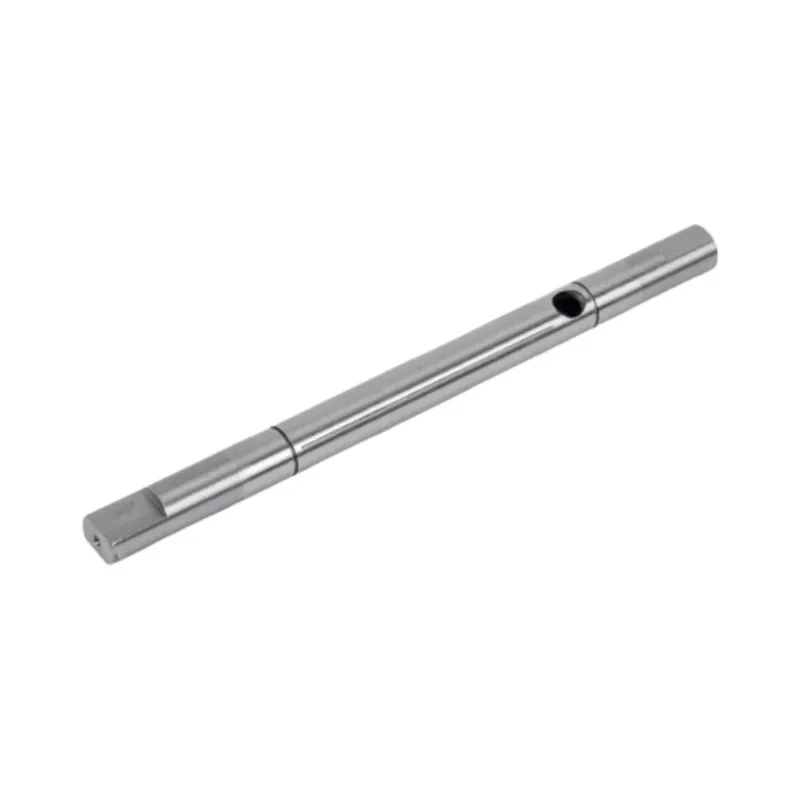
Design a stepped shaft around the components it locates. Check the shaft fillet against the selected bearing's permitted corner envelope, give the bearing ring enough shoulder support, and control the functional distance between locating faces. Specify journal size and shoulder geometry separately. A radius chosen only for machining convenience can obstruct seating; a sharper corner chosen only for clearance can create a fatigue concern.
Use 304 as a starting point for general humid or mildly corrosive service. Consider 316 when chloride exposure makes pitting resistance a stronger priority. Evaluate heat-treated 420 when the shaft needs a hard, wear-resistant surface and the environment is compatible with that grade. Guanshuo's HRC 48 to 55 capability applies to 420 after quenching and low-temperature tempering. It does not apply to every stainless shaft. Specify the grade, material condition and hardness requirement together, then control the finished journal geometry separately.
Specify motor shaft surface roughness separately for each functional zone. Mark the bearing journals, seal contact lands, rotor or press-fit seats and torque-transfer features on the drawing, then give each zone the finish its mating part requires. Keep diameter, runout, straightness and cylindricity as separate controls. At Guanshuo, published finishes range from Ra ≤ 0.8 μm on one stainless smooth-shaft product to Ra 0.2–0.4 μm on a high-speed shaft and Ra 0.05–0.2 μm on the bearing position of an ultra-precision shaft. Those are product-specific ranges, not one blanket specification for every motor shaft.
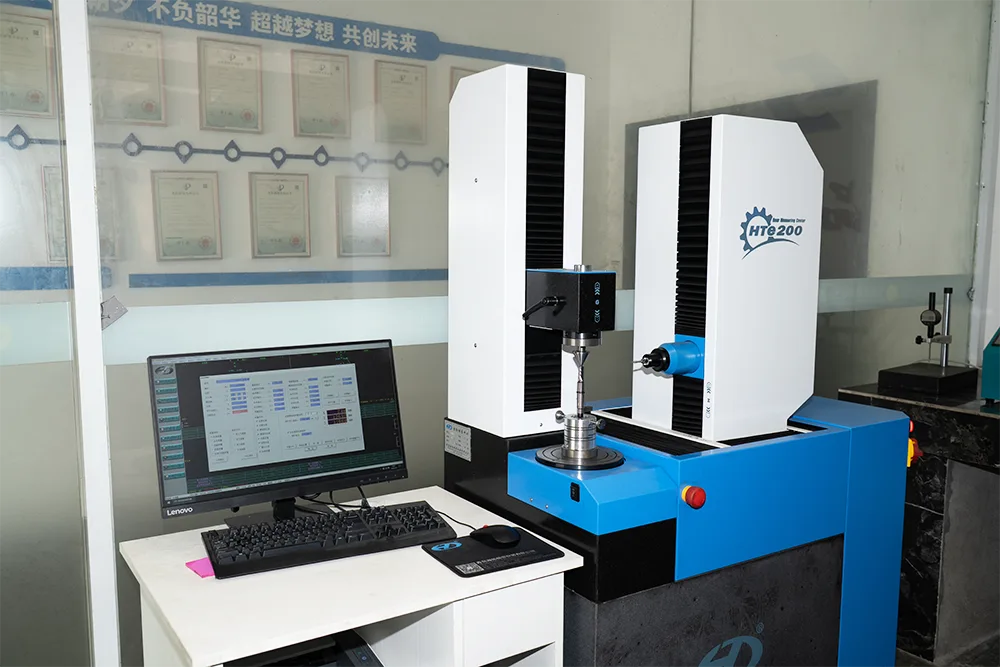
A motor shaft inspection report should identify the part and drawing revision, then record actual results for the characteristics that affect fit and rotation. Those usually include material, critical diameters, runout or cylindricity, surface roughness, hardness, and any keyway or spline geometry. Use a first-article report to approve the setup before volume production. Use batch records and agreed screening rules to show that later parts stayed within the same limits.
Shaft straightening corrects bending that remains after machining or appears during heat treatment. For a precision motor shaft, it normally belongs after hardening and before final grinding. The factory first measures the shaft against defined datums, applies a controlled correction where needed, and measures again. Final grinding then brings the journals to size and finish. A useful drawing must state the controlled length, datum, straightness or runout tolerance, and the production stage at which the requirement applies.
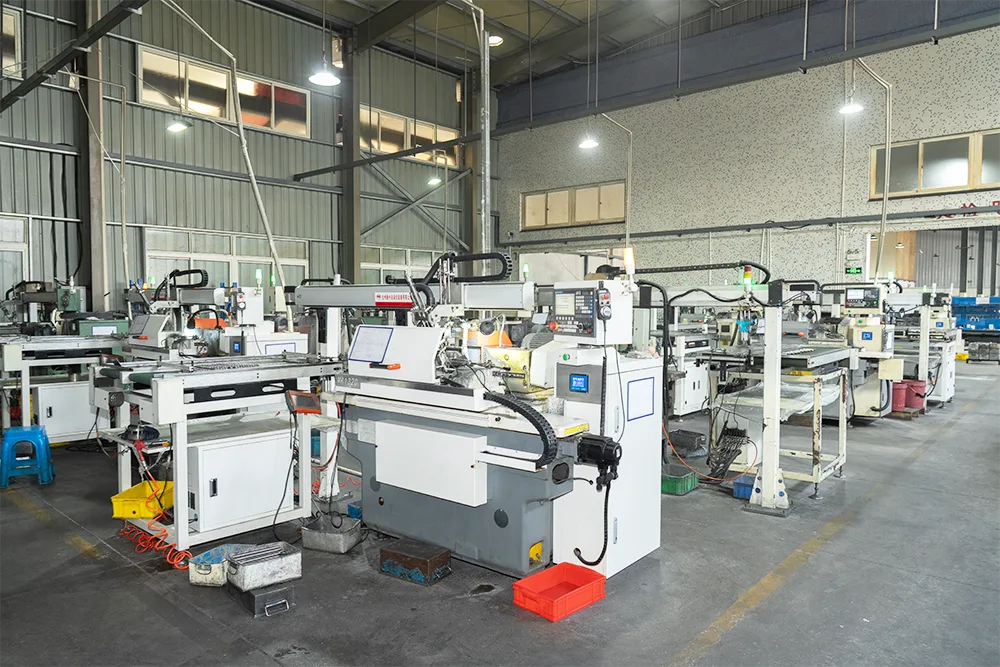
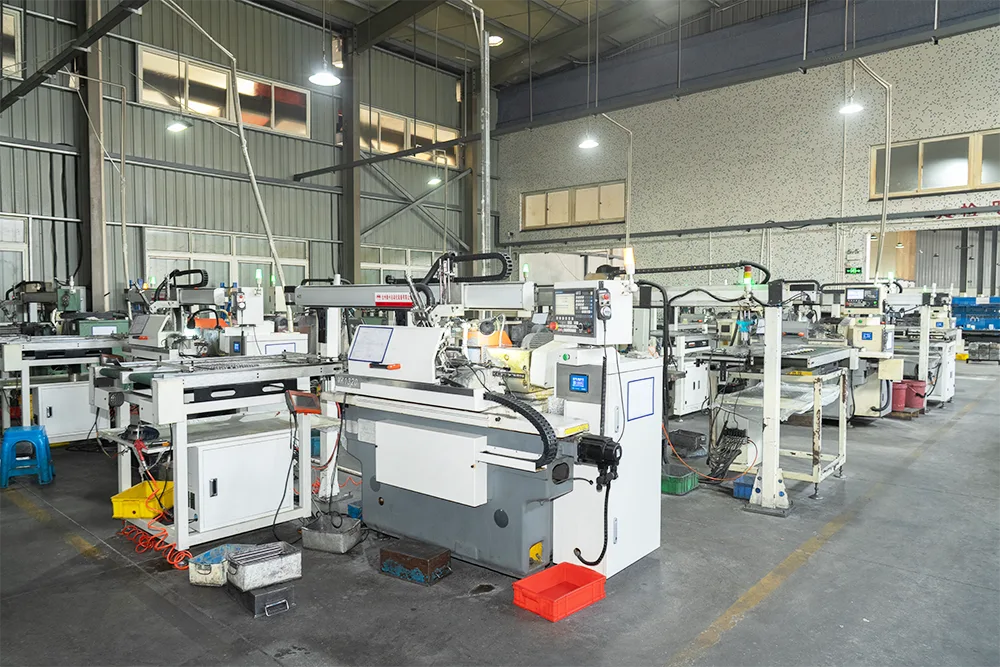
Choose cylindrical grinding for stepped, shouldered and multi-diameter motor shafts when several journals must stay true to one axis. Choose centerless grinding for long, plain shafts when one consistent outside diameter and efficient batch flow are the main requirements. Some production routes use both: centerless grinding handles a plain body efficiently, then cylindrical grinding finishes critical bearing or seal journals in relation to the shaft axis.
We use cookies to offer you a better browsing experience, analyze site traffic and personalize content. By using this site, you agree to our use of cookies. Privacy Policy


 10 2026-09
  05 2026-09
  28 2026-08
  25 2026-08
  25 2026-08
  25 2026-08